

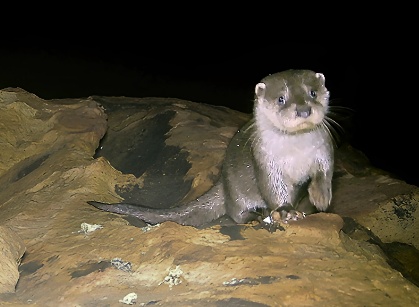
Known for their playful charm, otters have surged in popularity in recent years, though they actually inhabited Hong Kong long before human settlements. Yet today, water pollution, habitat loss and fragmentation of their habitats threaten their survival.
By 2018–2019, as few as seven otters were estimated to remain in Inner Deep Bay, their last local stronghold, making them the rarest and most threatened terrestrial mammal in the city.
Grounded in science, KFBG has been leading otter conservation efforts across the region since 2012. Over a decade of dedicated work has yielded encouraging results, including the rediscovery of otter populations long thought lost and the identification of new localities of habitats.
The work is far from over.
Urgent action is continued to be needed to protect the remaining populations and deepen our understanding of the status of China’s otters. Every sighting, every survey, every training session for reserve staff, and every awareness-raising activity in local communities brings us closer to securing their future.
From awareness to action, your support helps sustain this critical conservation work and turns into concrete programmes:
Five conservation programmes your gift sustains
From awareness to action, your support helps sustain this critical conservation work — and turns into concrete programmes on the ground.




Facts about otters and why they matter
 Threats
Otters were historically hunted for pelts and medicine, and were eradicated as an aquaculture pest. Today, accidental capture and indiscriminate hunting still occur occasionally in the GBA. Otters have vanished from most parts of Hong Kong since the second half of the 20th century.
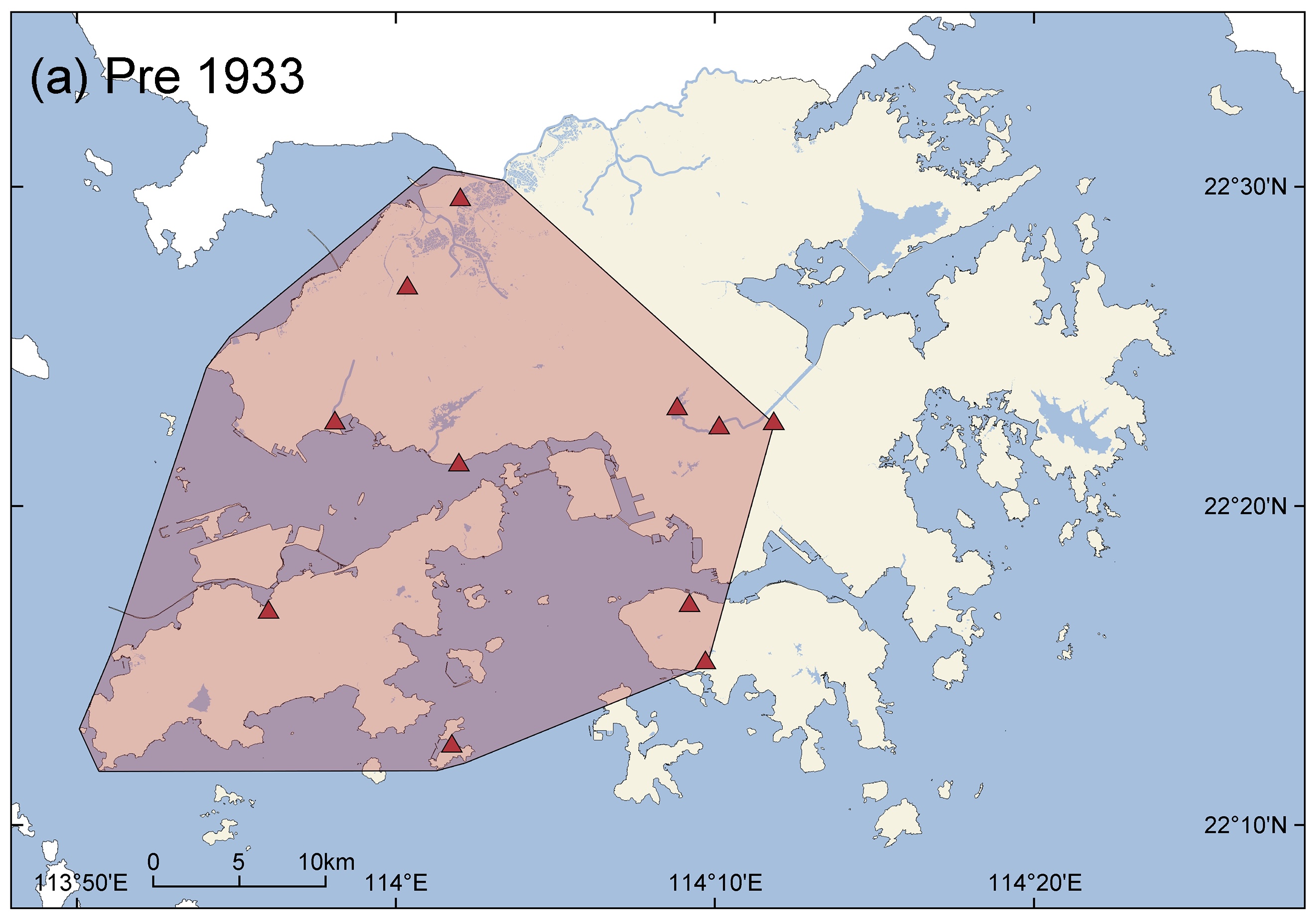
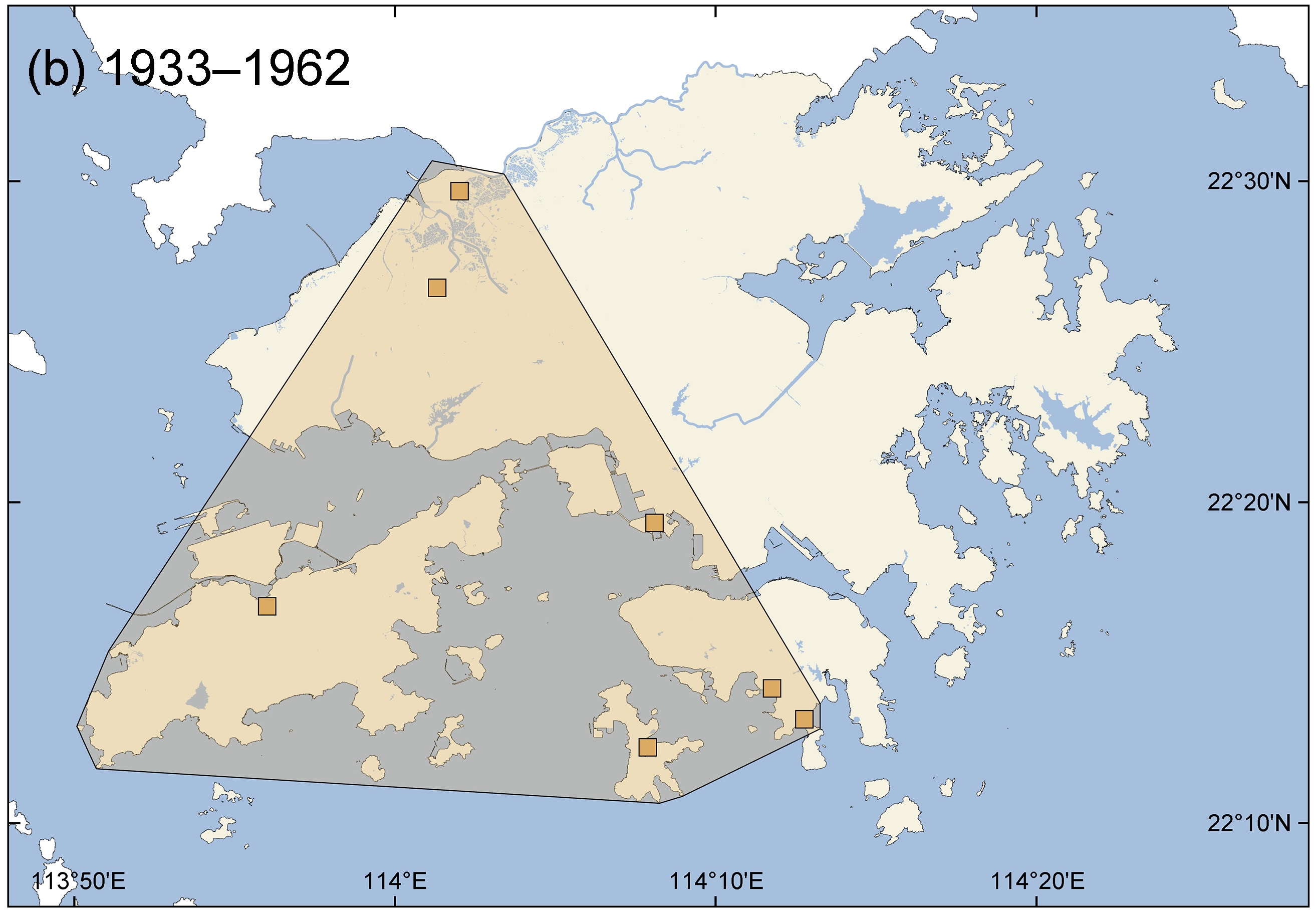
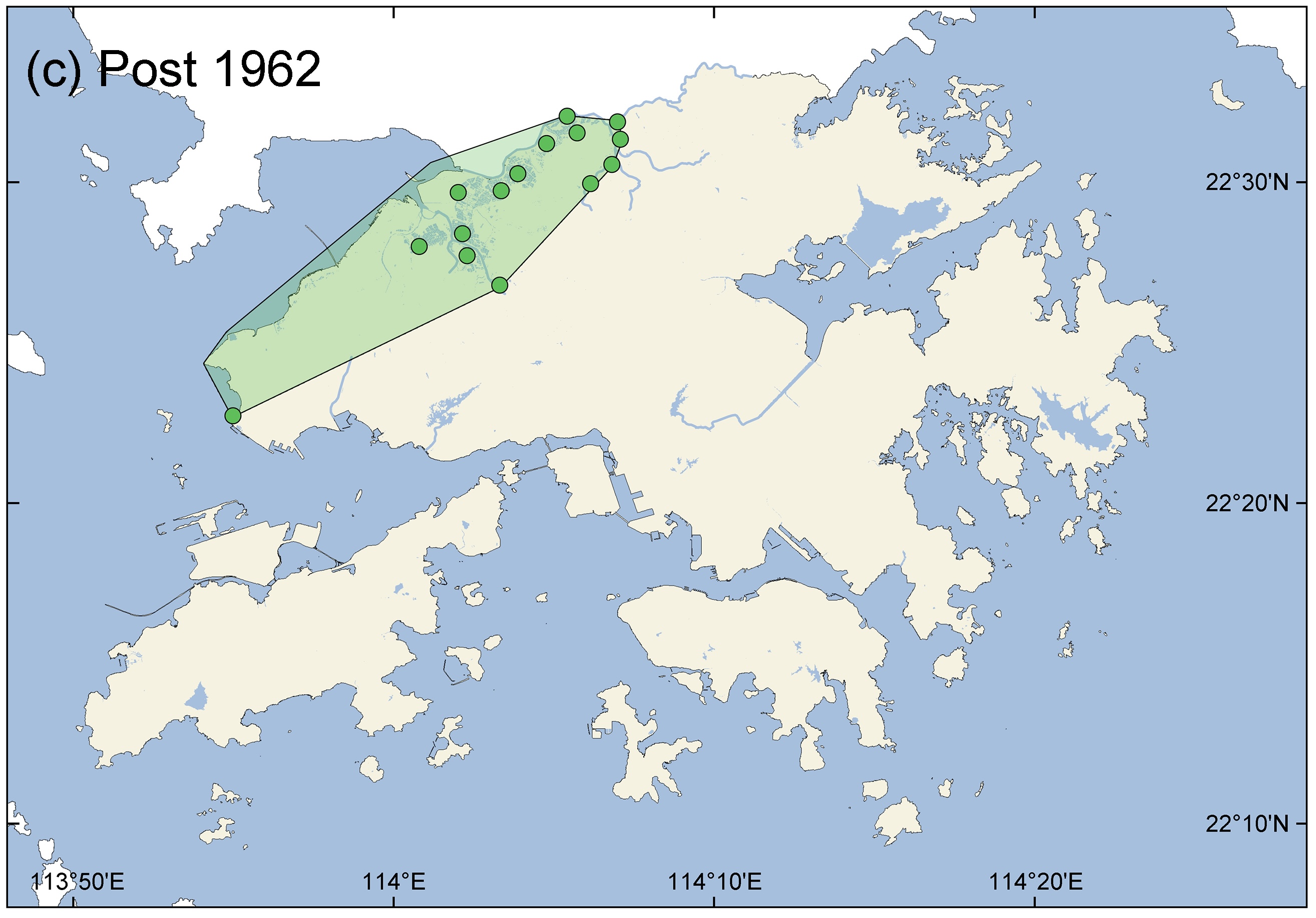
Source: Hui & Chan 2023.
Click here for further reading.
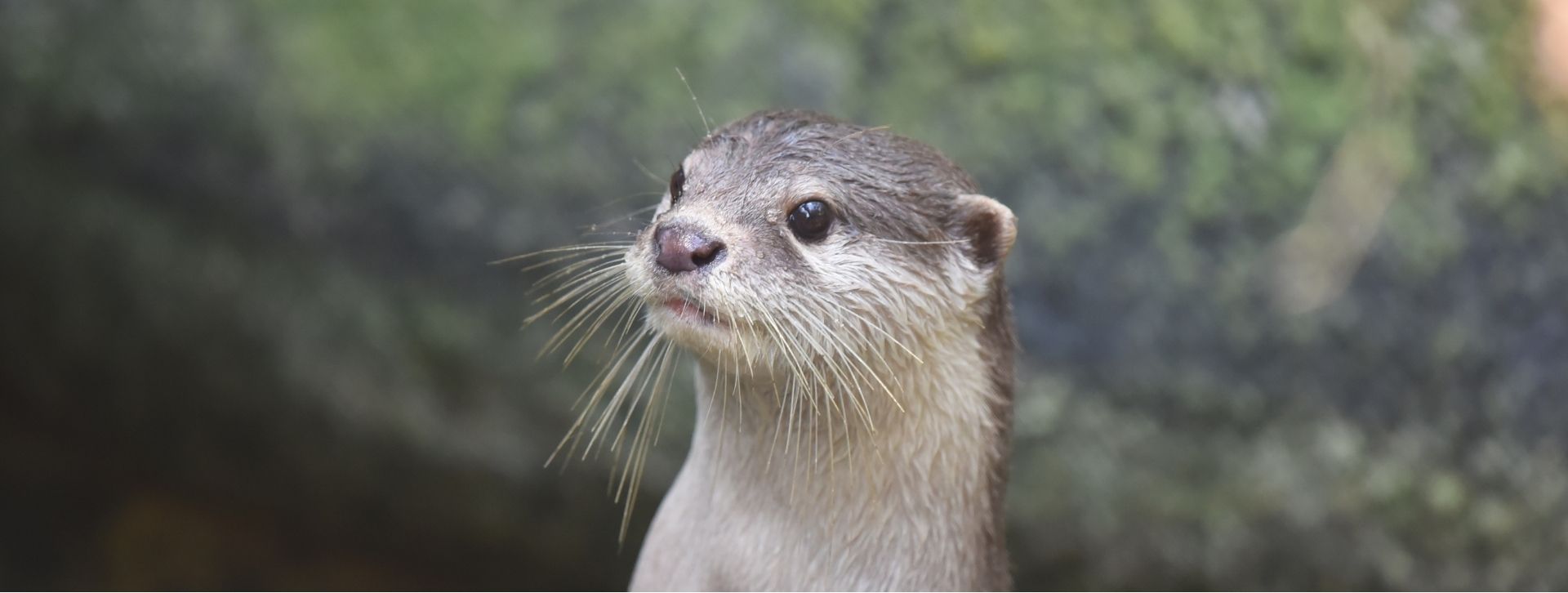
Four reasons your support matters
Urgent action is still needed to protect remaining populations and deepen our understanding of the status and ecology of Hong Kong and South China’s otters.
- The Eurasian Otter is nationally endangered and at high risk of local extinction in Hong Kong. It is considered the rarest and most threatened terrestrial mammal in Hong Kong and the wider Greater Bay Area. Long-term study and monitoring are essential.
- Unlike other charismatic wildlife, scientific research on otters is scarce since otters are elusive and small populations keep them out of most people’s sight. More research and protection are urgently needed to drive stronger conservation actions, while increased awareness can foster greater support from all sides.
- Not many people are aware that otters occur in Hong Kong.
- The species receives relatively little conservation attention — in stark contrast to its highly threatened status.
- Increased public interest can foster stronger community support.
- Otters move across wetlands and coasts of the Greater Bay Area
- Ensuring the long-term survival of the remnant populations requires enhanced collaboration on training and continuous monitoring across multiple sites.
Actions and outcomes, 2012–2026
KFBG has been at the forefront of otter conservation in the region since 2012, taking a holistic approach to safeguard remnant populations and advance otter conservation across the country.

Rediscovering China's Rarest Otters
- Conducted research and fieldwork on China’s three otter species.
- In 2016, rediscovered the Asian Small-clawed Otter in western Yunnan — a critically endangered species in China.
- Also rediscovered the Eurasian Otter in Zhuhai City, within the busy Pearl River Delta.
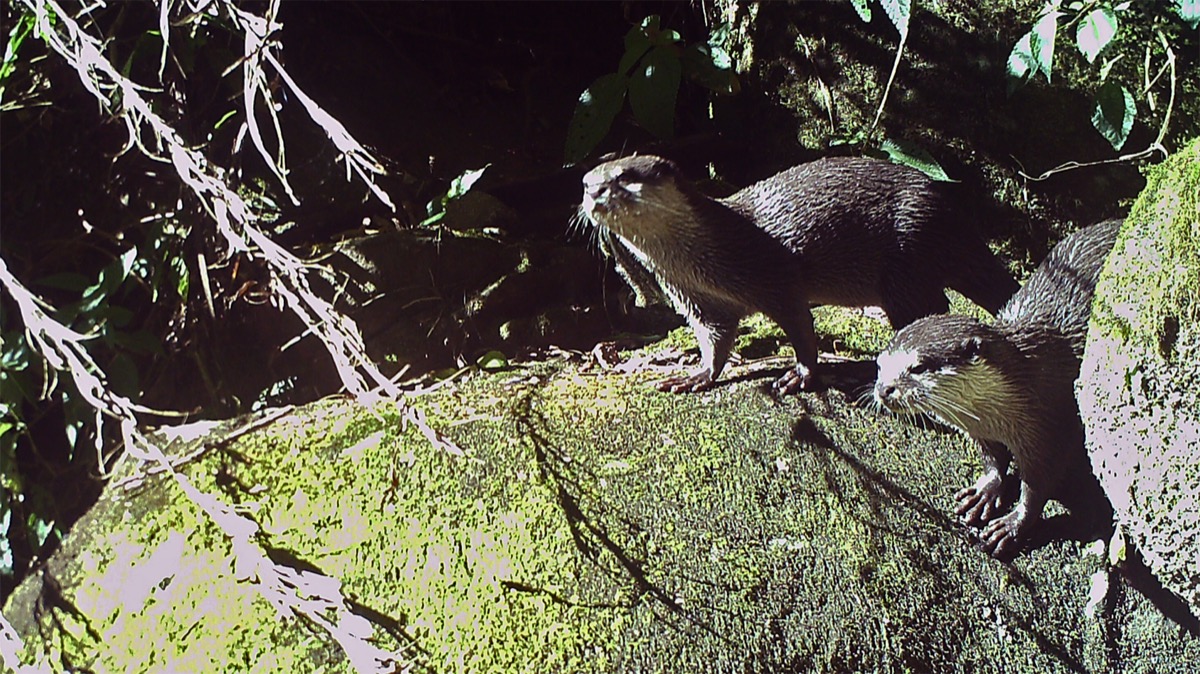
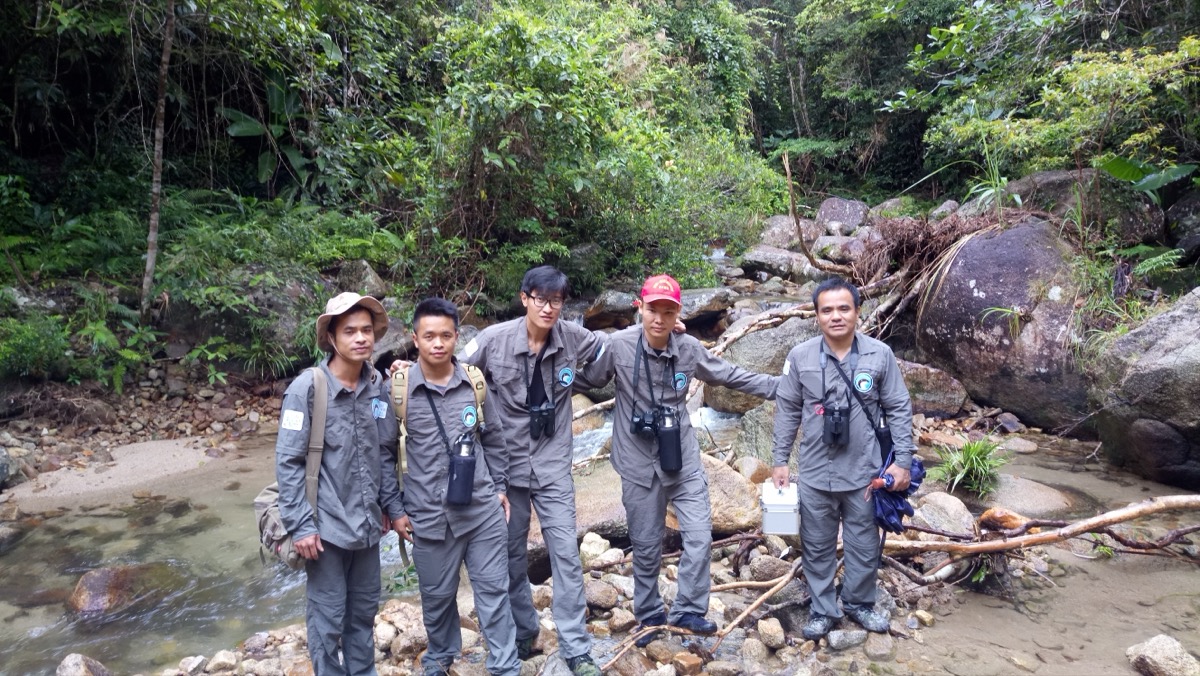
First Otter Monitoring Team in China
- Established the nation’s first otter monitoring team in Diaoluoshan, Hainan.
- Enabled long-term population monitoring and protection in the region.
Regional and International Collaboration Begins
- Co-organised the 14th International Otter Congress in 2019 with the IUCN SSC Otter Specialist Group and Sichuan Tangjiahe National Nature Reserve.
- Started the otter conservation project in Hong Kong in 2020 — camera traps, field signs, interviews, genetics, community outreach and training. We later expanded these efforts to the wider Greater Bay Area with Mangrove Foundation (MCF) in Shenzhen.
- Partnered with WWF-Hong Kong at Mai Po Nature Reserve.
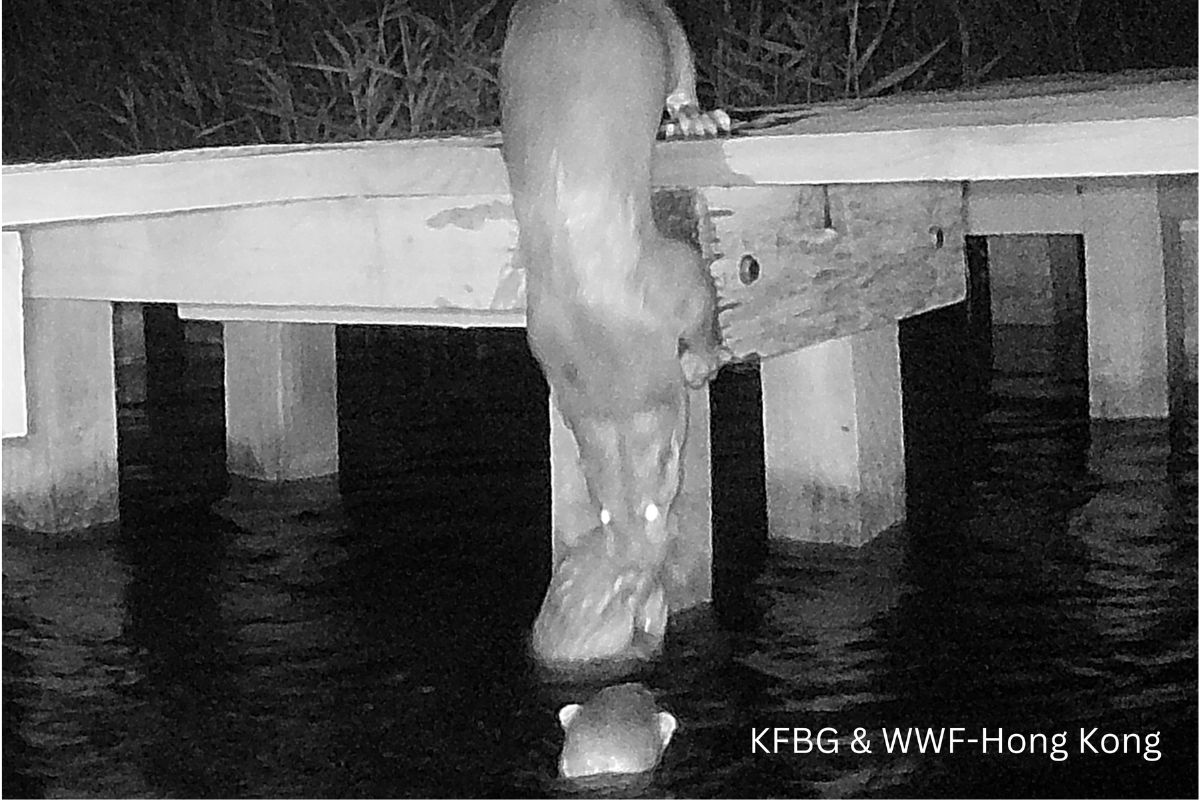
New Discoveries Across the Region
- Rediscovered Eurasian Otter on Qi’ao and Gaolan islands of Zhuhai City, and at multiple sites across Huizhou City (2023 - 2025).
- Confirmed survival in Macao and rediscovered Eurasian Otter in Northern Lantau waters of Hong Kong (2024).
- Discovered the Asian Small-clawed Otter in Sanya City, Hainan (2024 - 2026).
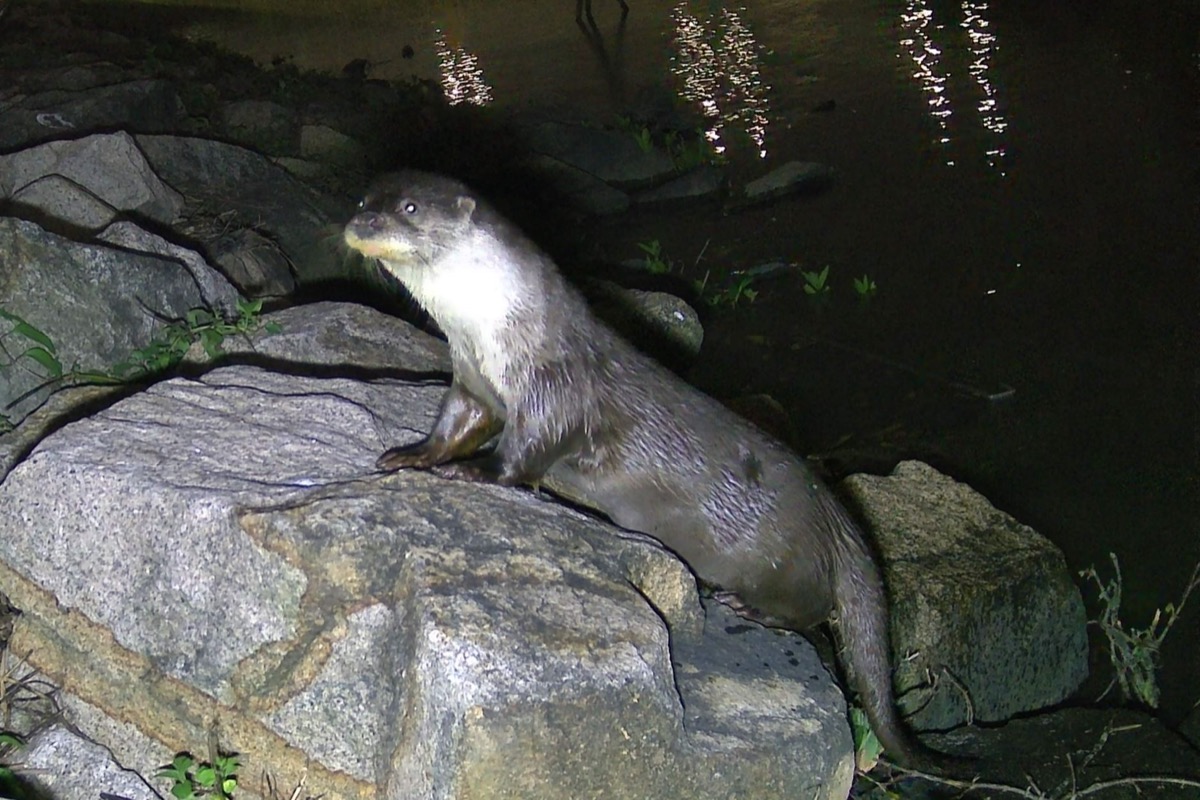
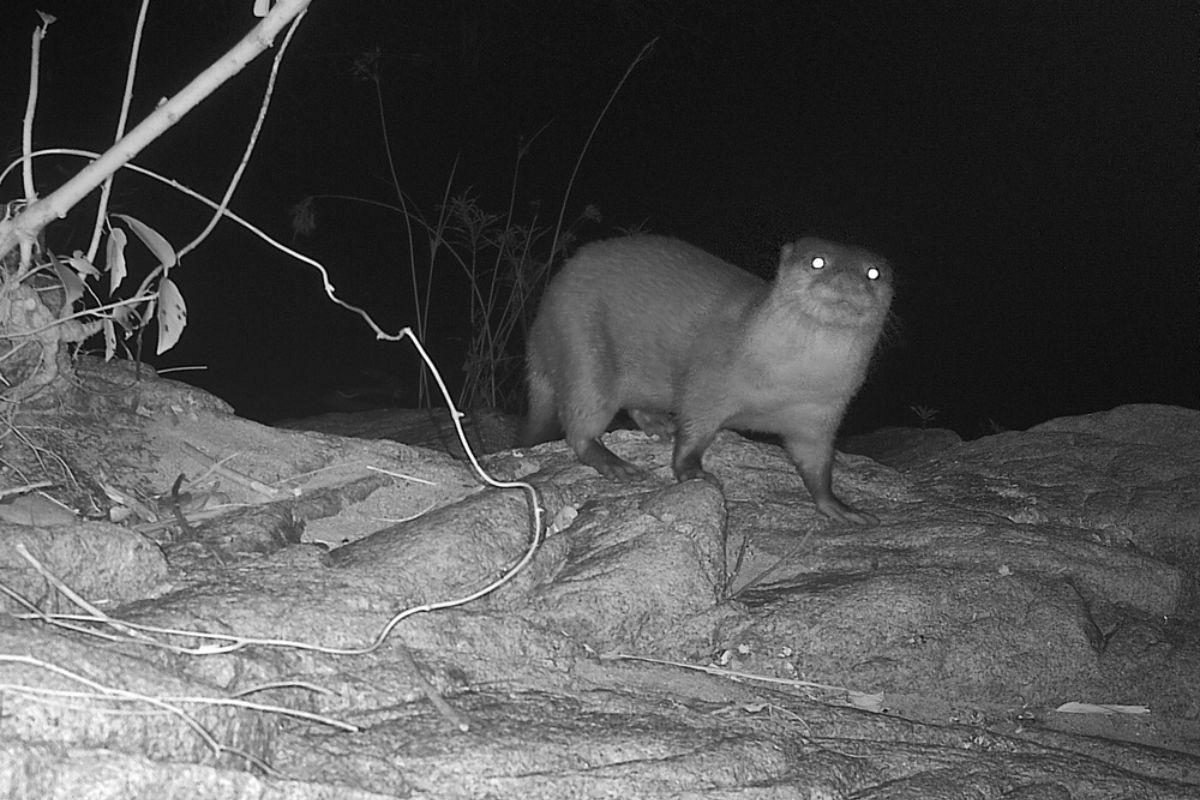
Throughout the decade, our otter conservation project has achieved significant outcomes in driving conservation actions. However, the work is far from over.