
Seven Decades of Agricultural Succession
The predecessor of KFBG was the Kadoorie Agricultural Aid Association (KAAA), a post-war agricultural aid organisation. From 1951 to 1961—the first ten years of KAAA activities—over 1,000,000 new citizens took refuge into Hong Kong in hopes of a better life. Embracing the ethos of “Helping People Help Themselves”, KAAA used agricultural assistance to help society navigate this crisis. At that time, KAAA’s major aid initiatives included:
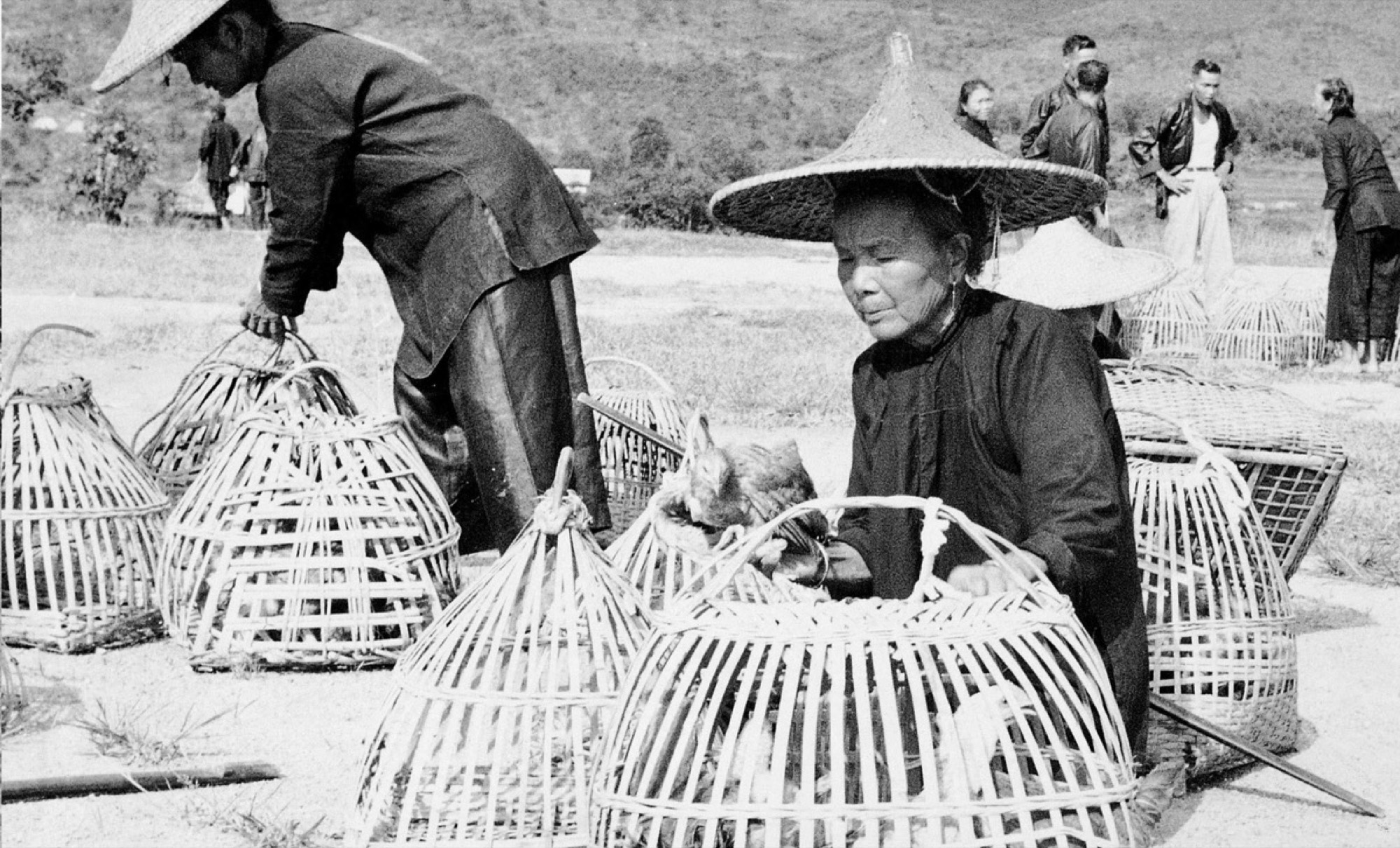
- While rice and vegetable farming dominated rural Hong Kong back then, KAAA provided fruit tree seedlings, chicks, piglets, and other livestock to help farmers diversify and boost their incomes.
- Donating agricultural tools and machinery to reduce the financial burden of farming costs.
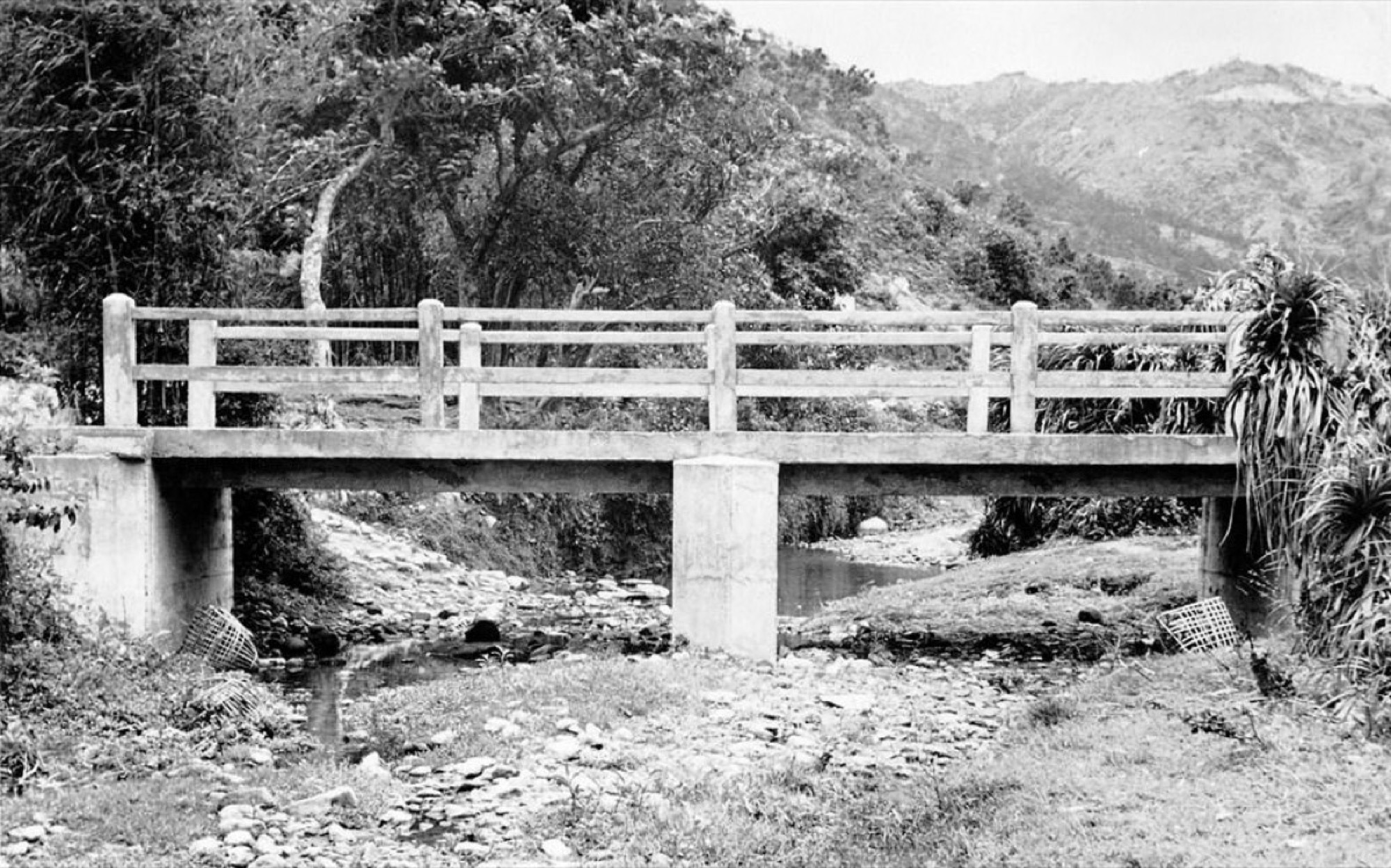
- Improving rural infrastructure — such as funding the construction of access paths and upgrading irrigation systems — to elevate the standard of living in villages.
- Conducting various agricultural research projects, which led to achievements like breeding the unique “Pak Ngau Shek Chicken”.
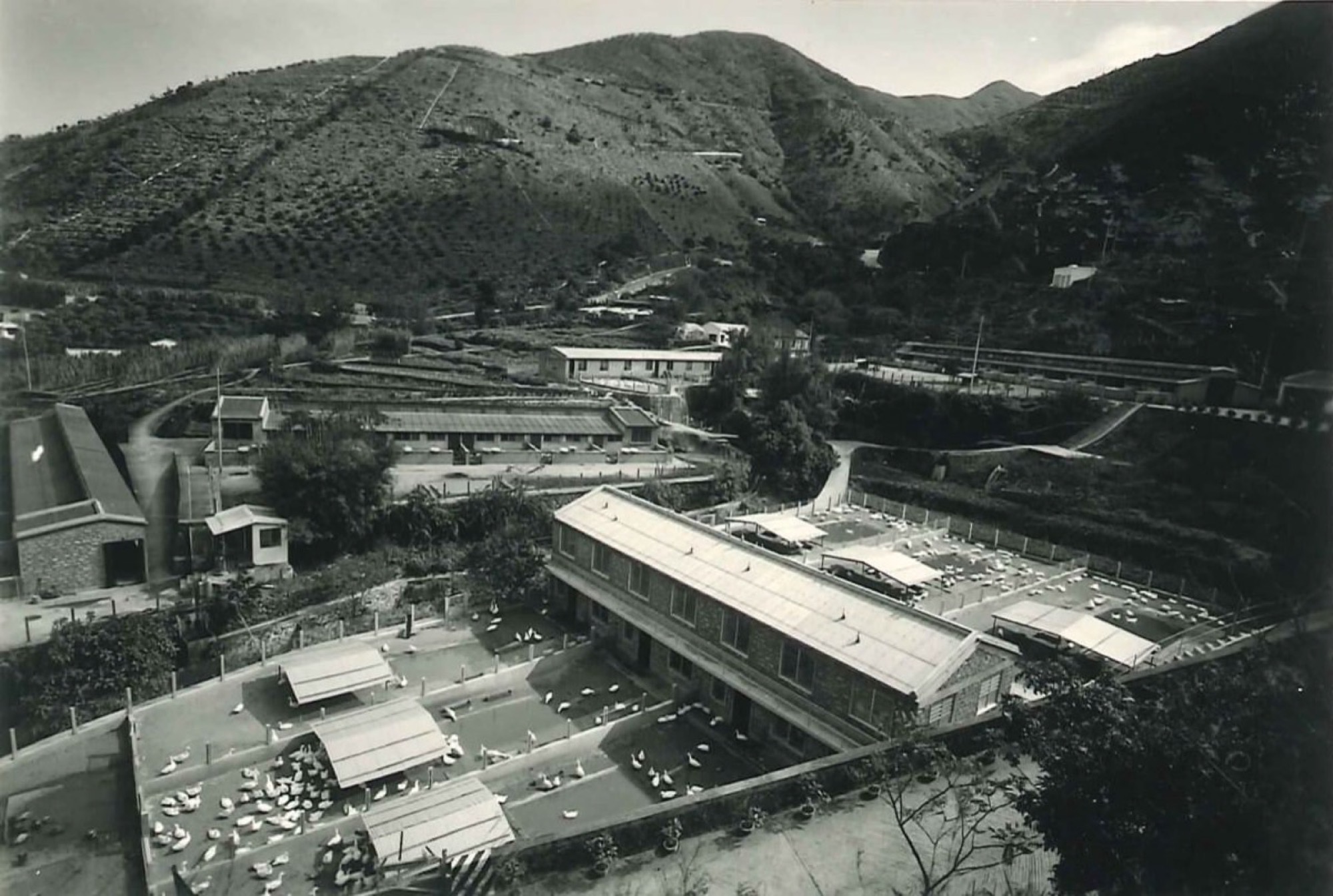
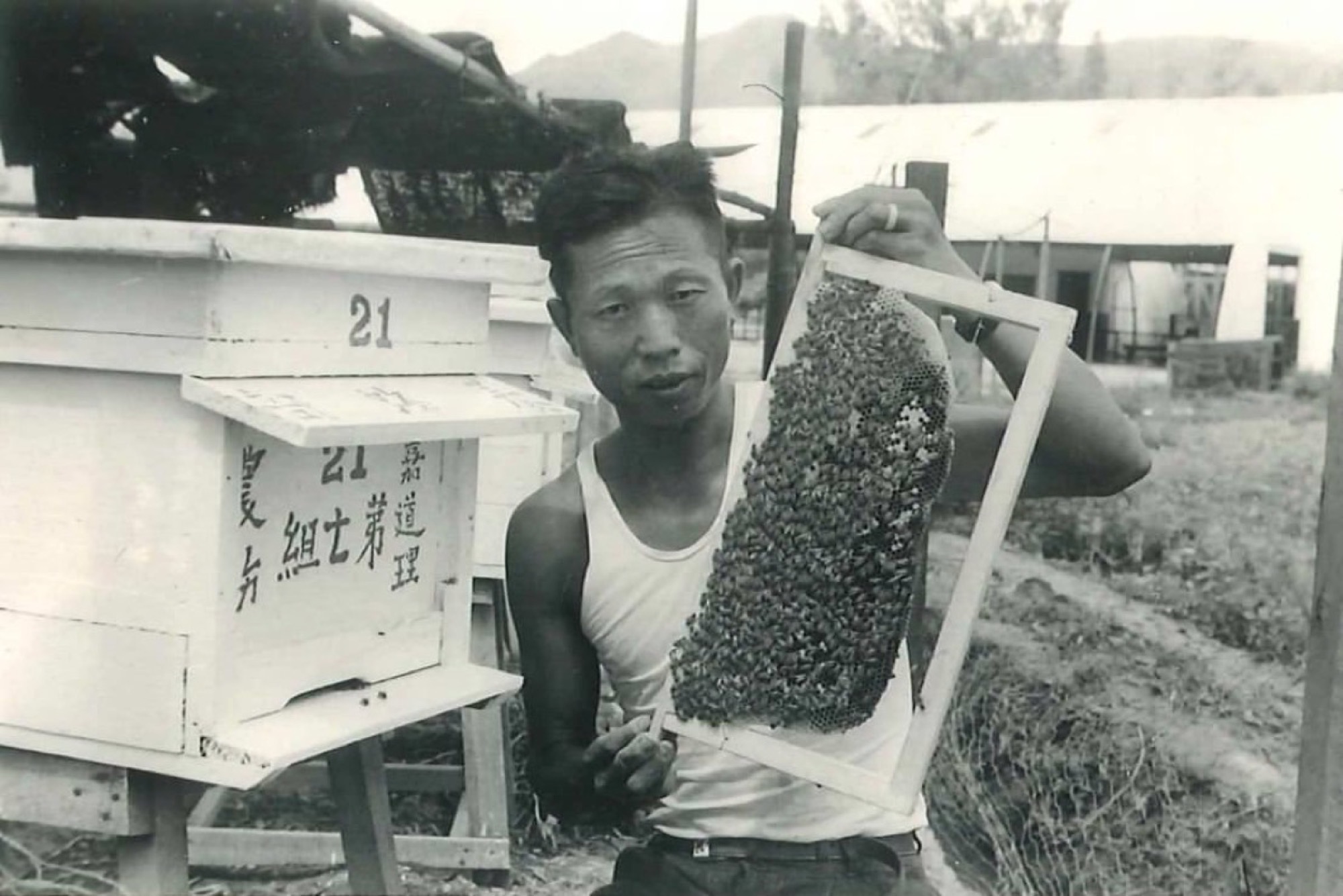
As Hong Kong entered the 1980s, the refugee wave subsided, and the scale of local agriculture began to shrink. As KAAA anticipated the rising global trend of environmental conservation, it gradually transformed itself, paving the way for the KFBG we know today.
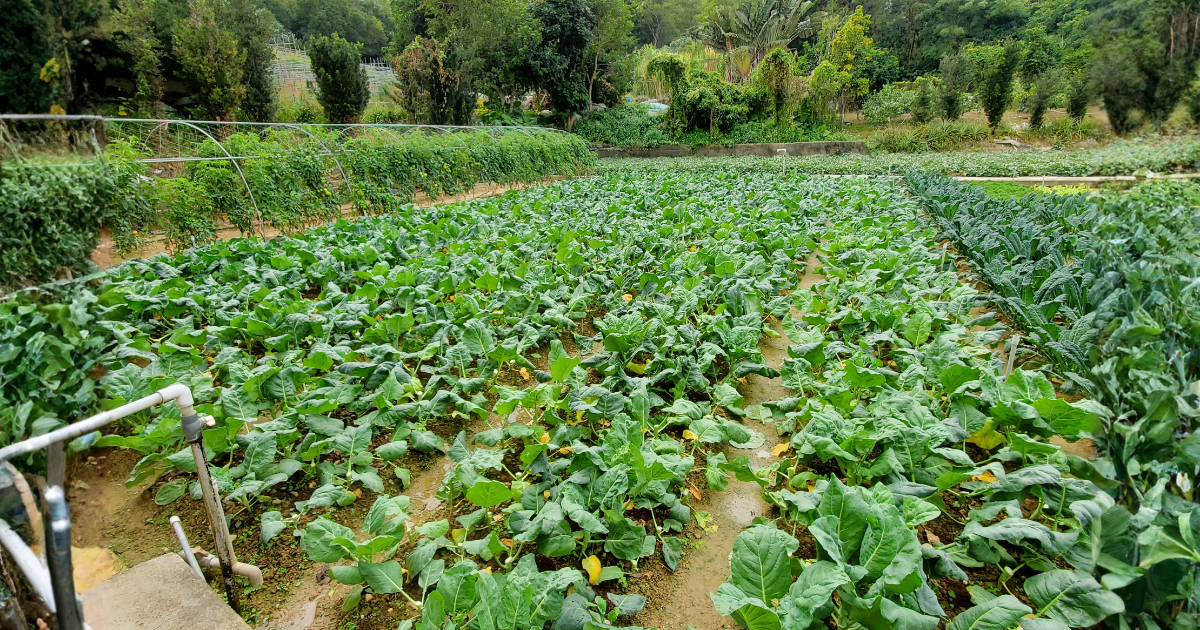
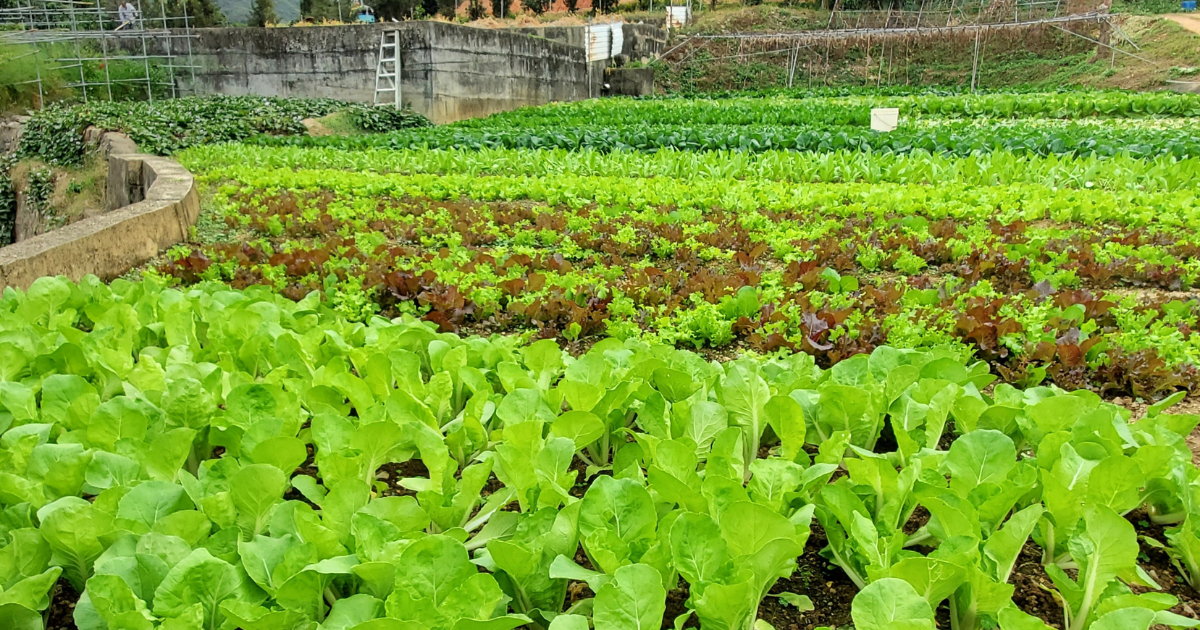
Despite pivoting toward environmental conservation, KFBG never forgot its agricultural roots and original mission. By marrying farming with sustainable goals, KFBG charted a course toward sustainable agriculture. In 1995, KFBG fully adopted organic farming guidelines and began establishing community farm demonstration projects, broadening the vision of agriculture to include sustainability and community participation.
Over the years, the structure of our agricultural department has evolved alongside changing times. KFBG established the “Sustainable Living and Agriculture Department” in 2007, which was later restructured into the “Regenerative Agriculture Department” in 2023. While our working environment and strategies adapt to the times, the original intent remains unchanged.
Milestones
From the switch to organic farming in 1995, the work has kept changing. These are the turning points of the past thirty years:
Transitioned to organic farming methods
- The concept of organic farming gradually emerged in Hong Kong during the late 1980s as public awareness of environmental conservation deepened. KFBG officially transitioned to an organic farming model in 1995.
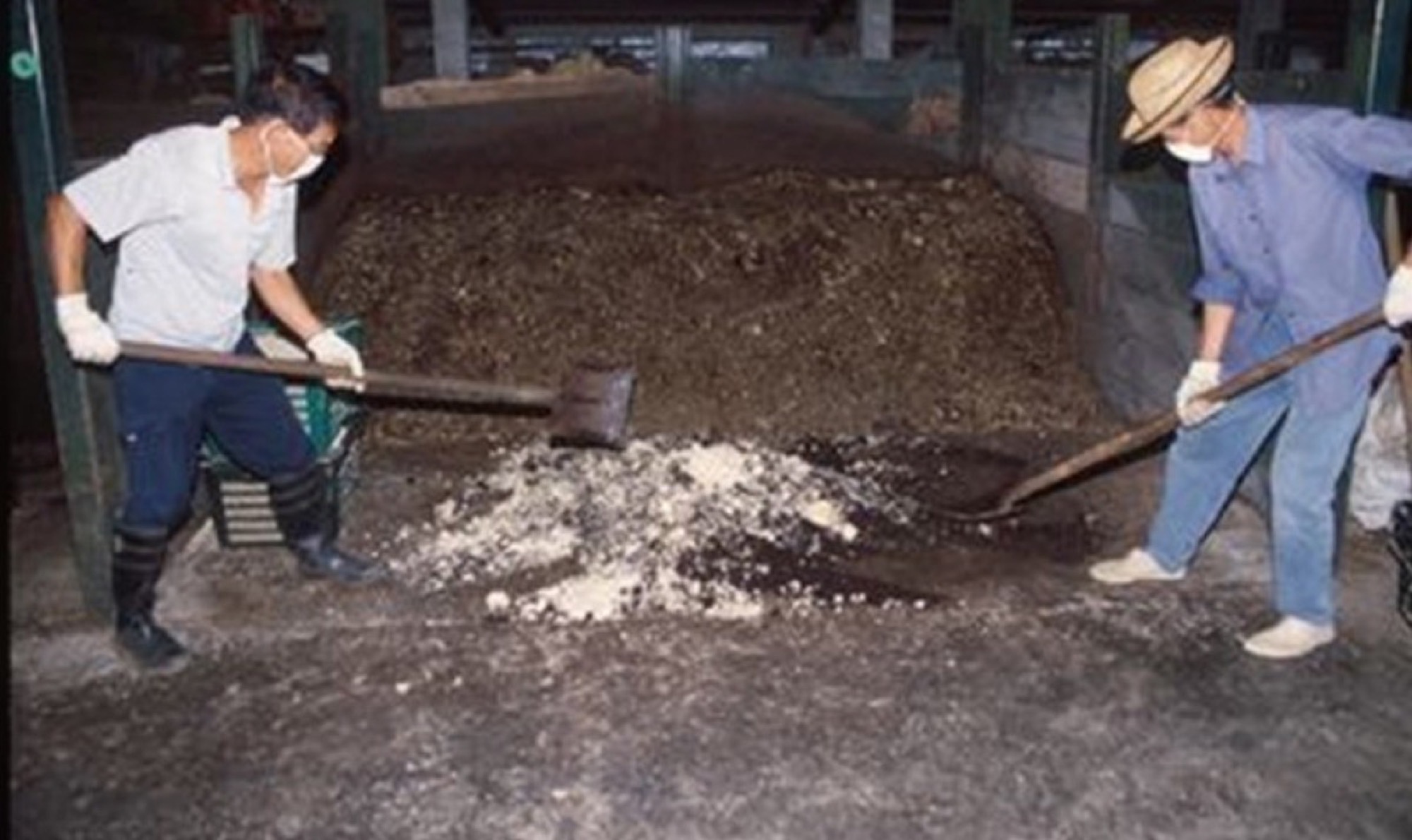
Initiated on-site composting
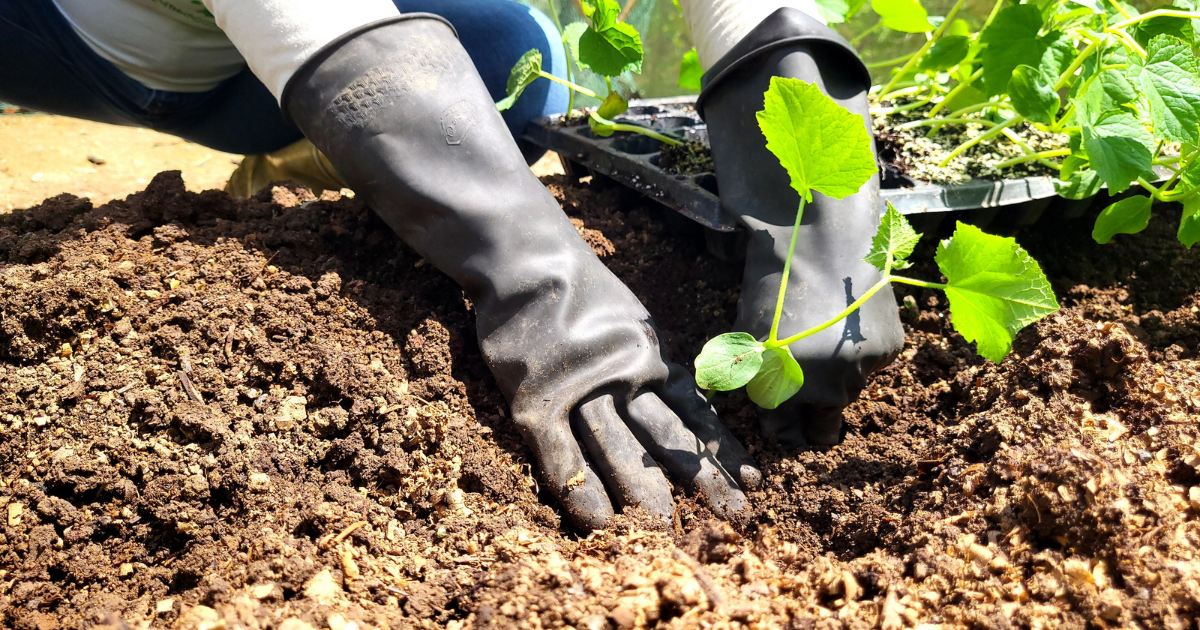
- Resource recovery is a vital component of sustainable agriculture. Composting facilities transform various organic wastes from the farm (such as fallen leaves, dead branches, and livestock manure) into highly valuable agricultural resources.
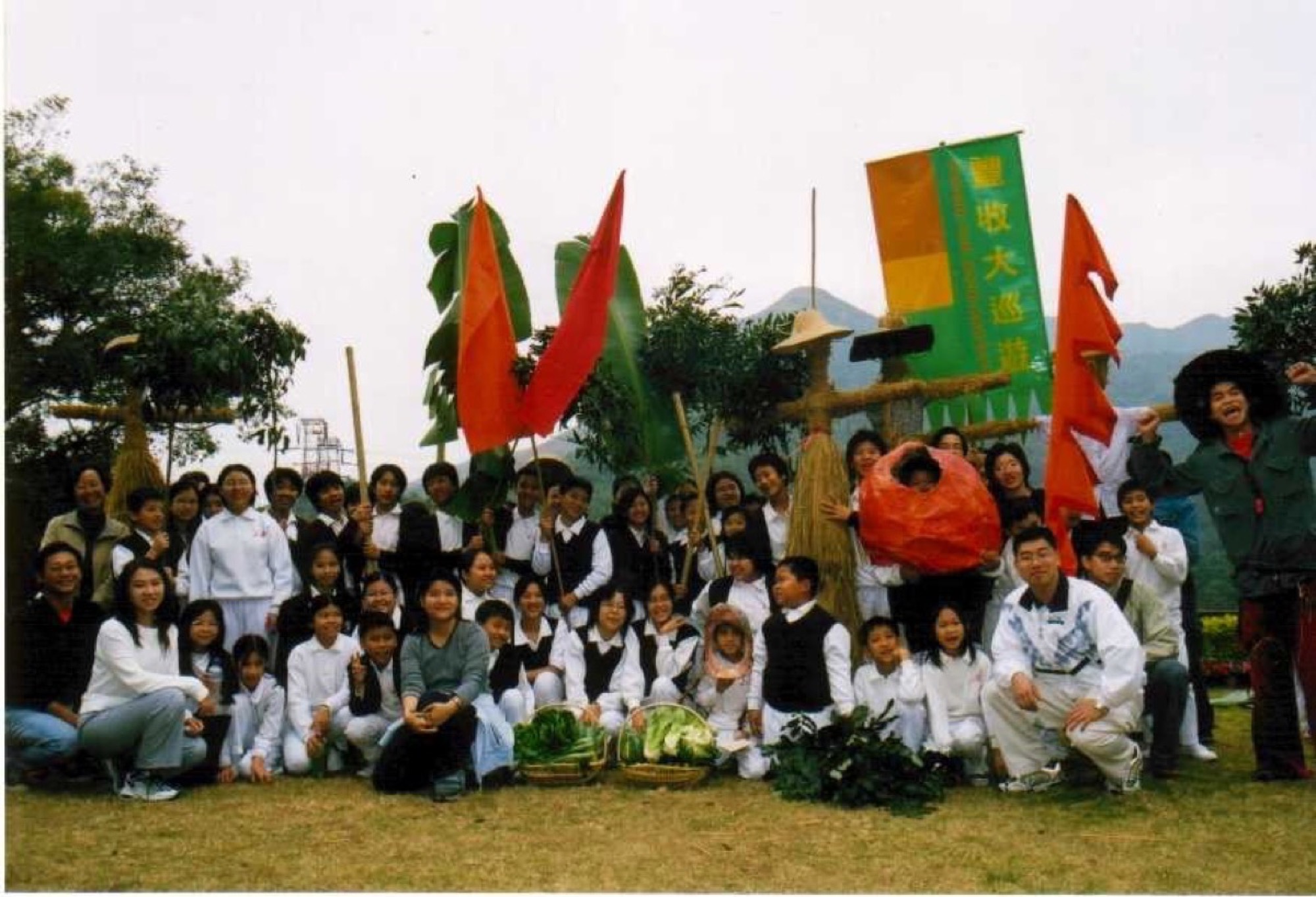
Hosted the first “Organic Festival”
- Prior to the millennium, organic agriculture in Hong Kong was still in its promotional and experimental stages. KFBG was one of the very first organisations to host a large-scale carnival centred around an organic theme.
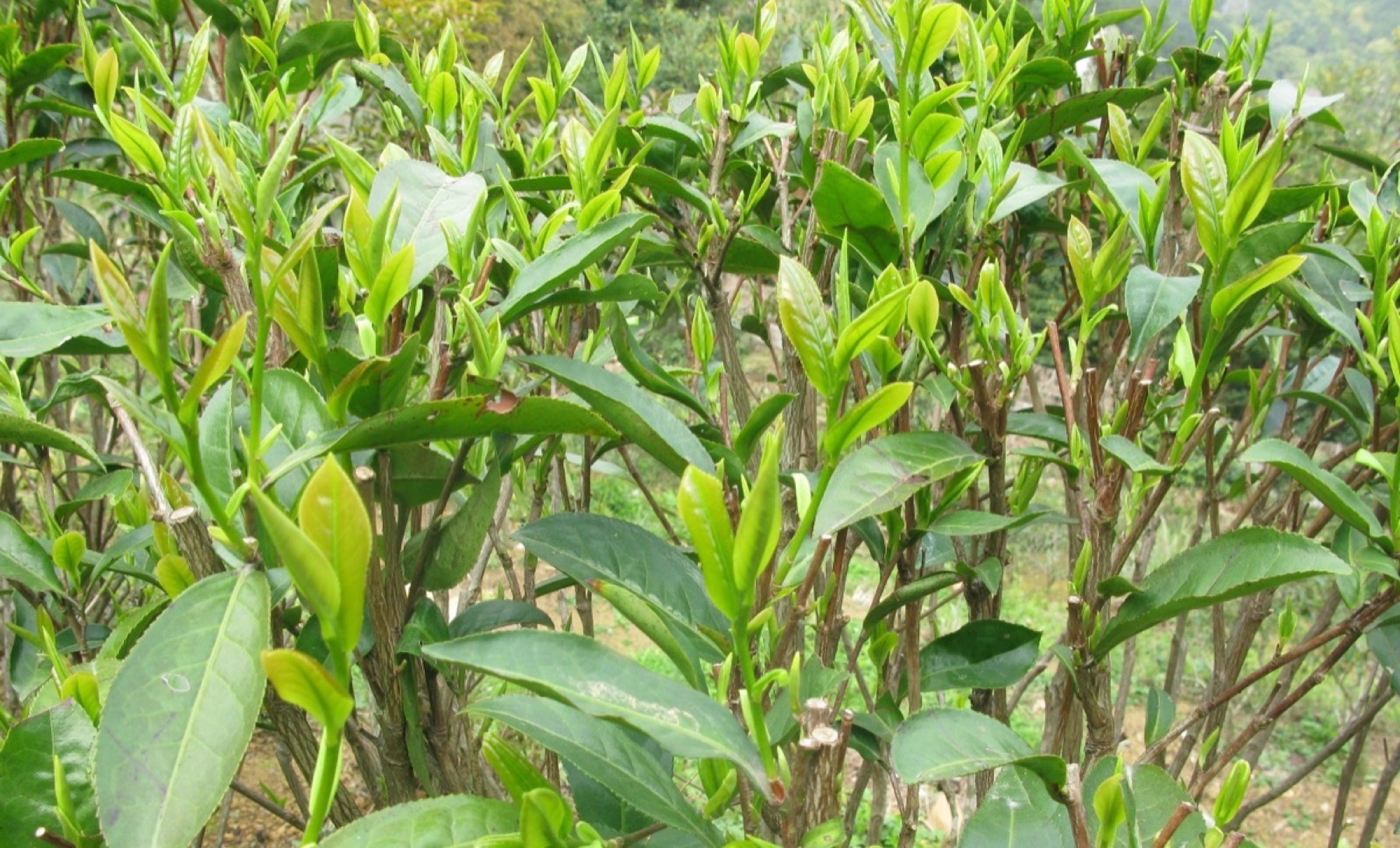
Established the tea plantation area
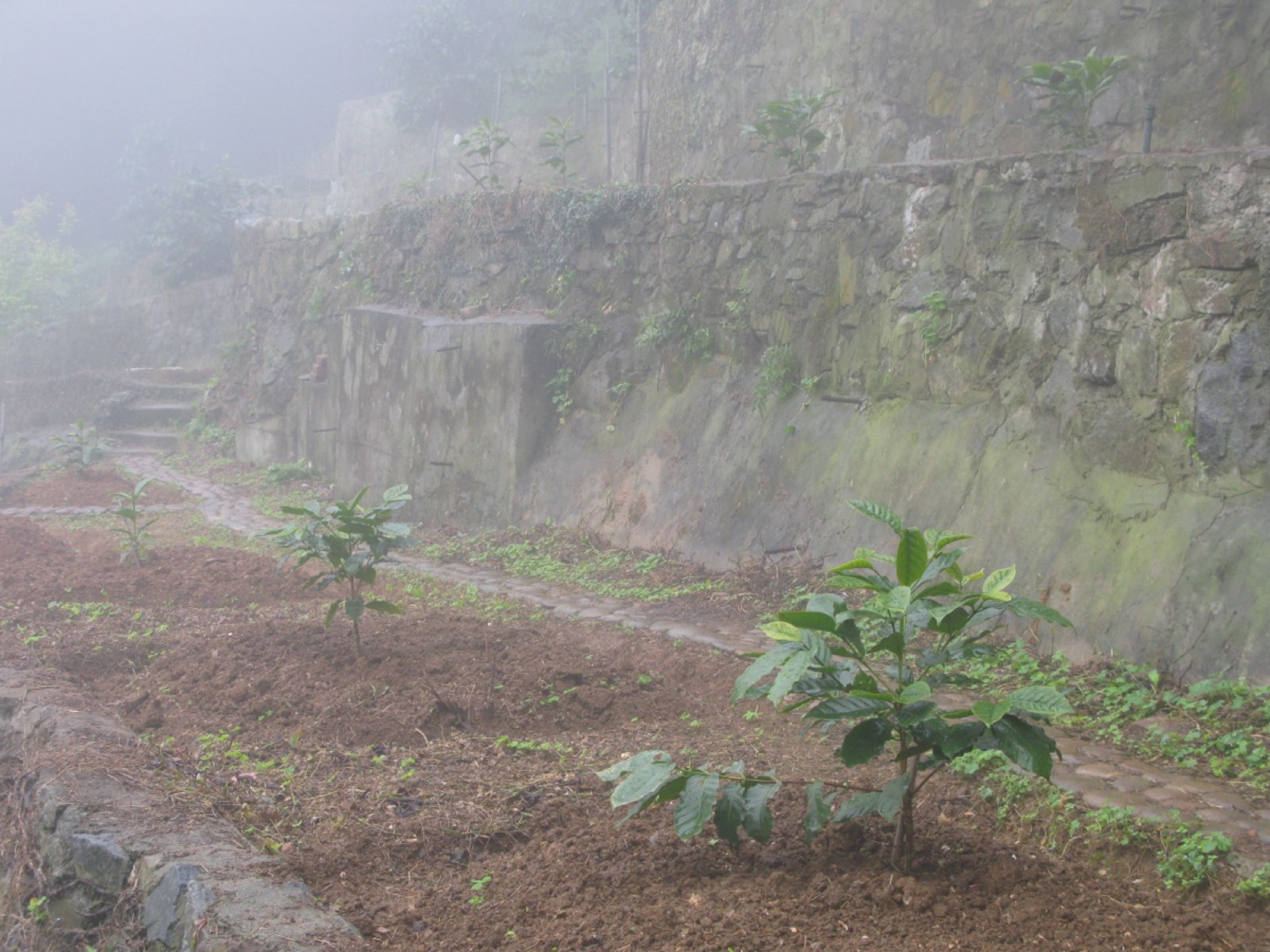
- “Adapting to local conditions” is a core principle of sustainable agriculture. Utilising the unique microclimate of KFBG’s upper farmland required a cautious and thoughtful approach. KFBG successfully introduced tea and coffee trees across several terraced fields at an altitude of approximately 400 metres, achieving excellent results.
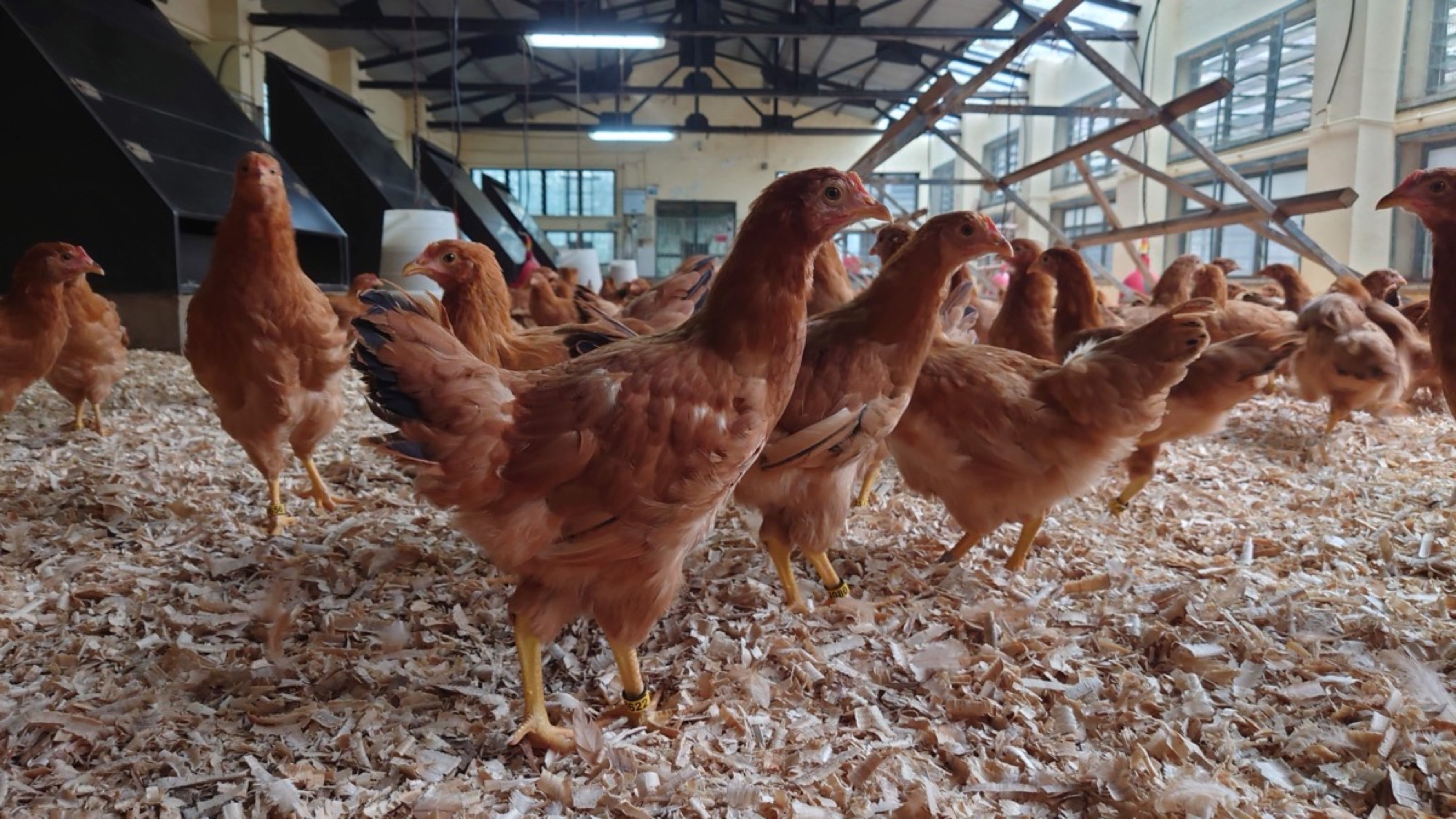
Adopted the litter-bedding system with wood shavings for the poultry section
- • Industrial chicken farms consume vast amounts of water to wash away manure, which wastes water and fails to utilise organic waste. Our chicken coops use a litter-bedding system. This model saves water, provides chickens with space to move around, and absorbs manure to create composting material — killing three birds with one stone.
Published Starting from 3.5 Catties of Vegetables
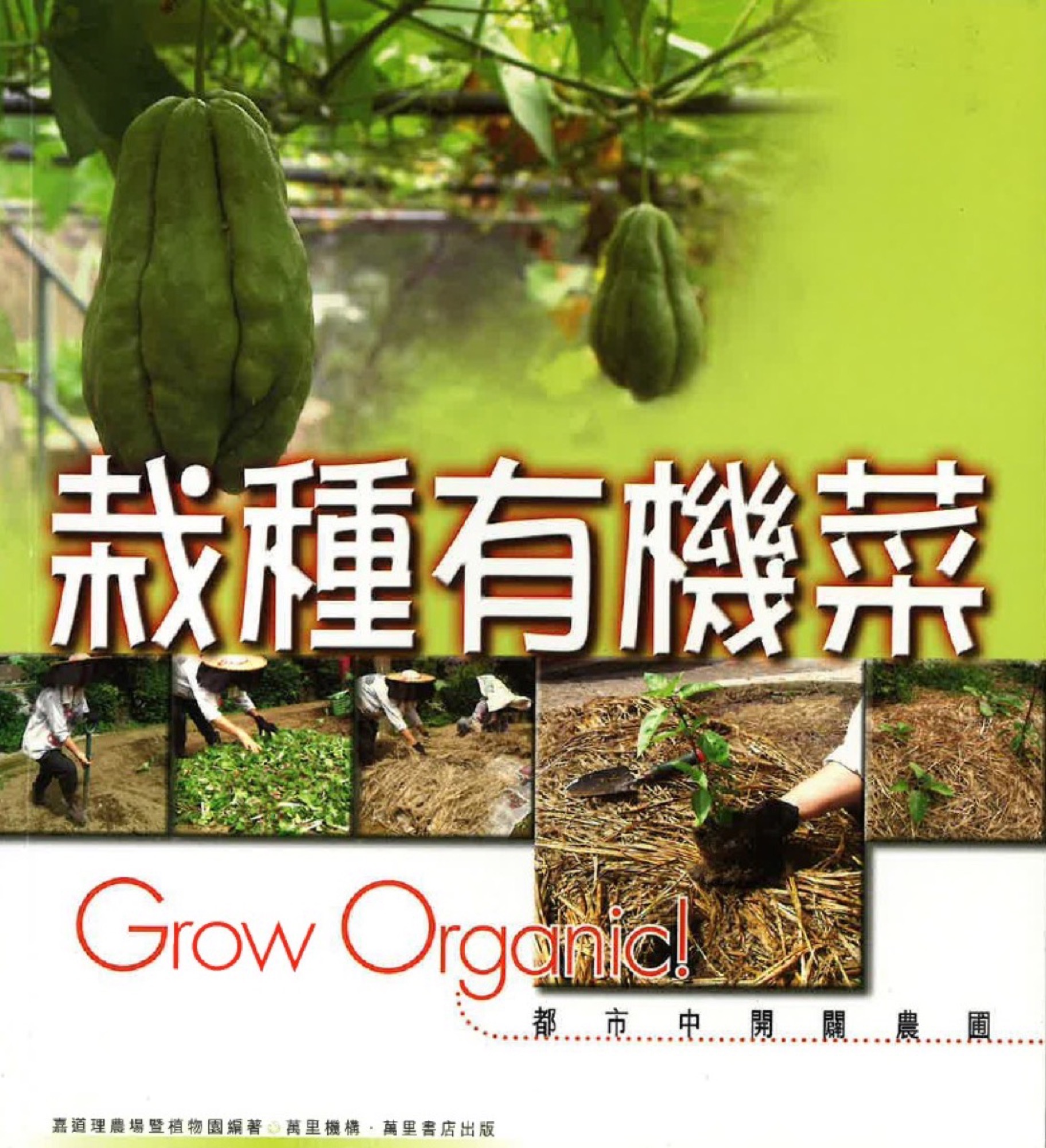
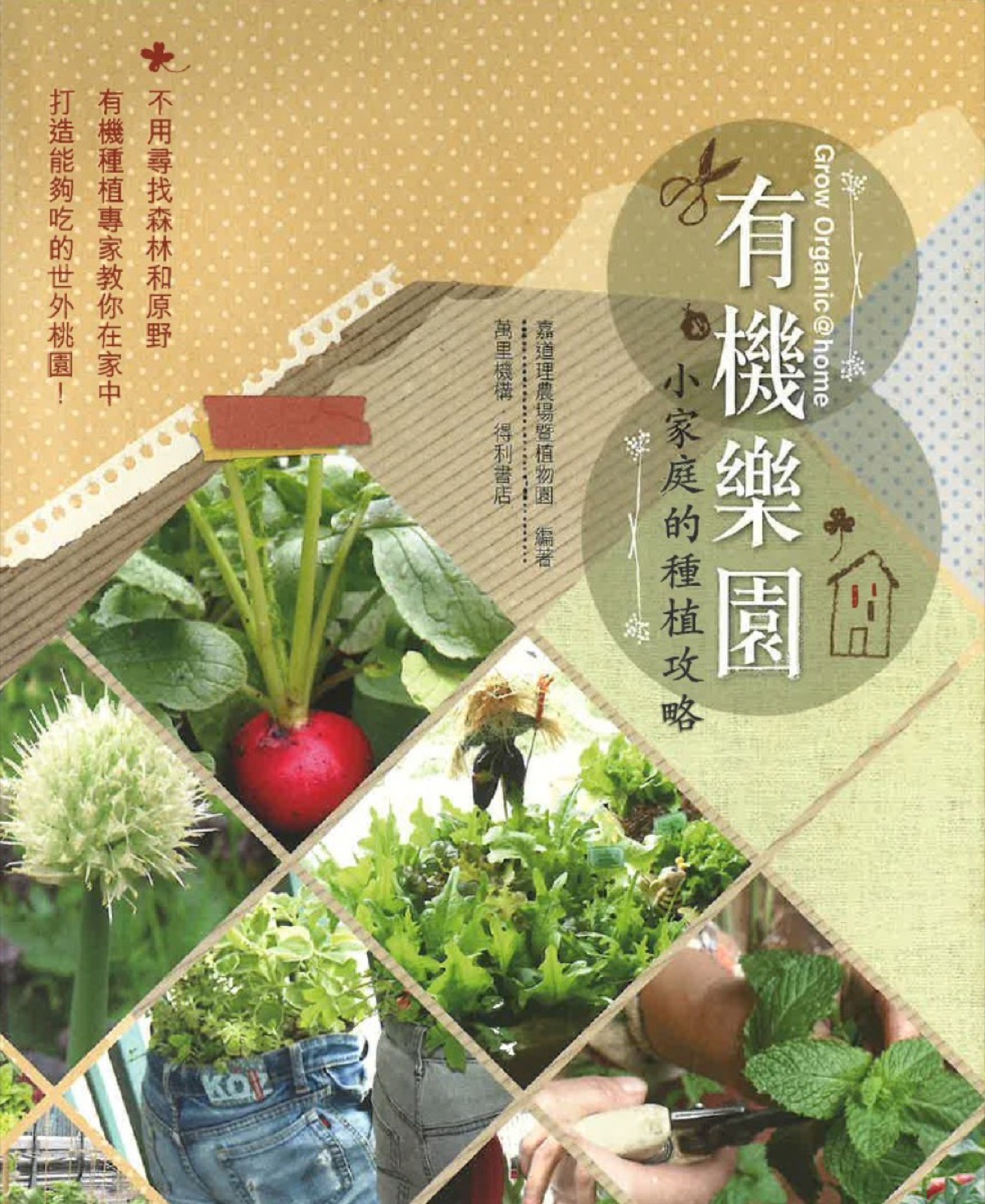
- Over the years, KFBG has published numerous books advocating sustainable agriculture. Notable publications include ‘Grow Organic!’ and ‘Grow Organic @home’, which teach cultivation skills, as well as ‘Starting from 3.5 Catties of Vegetables’, which introduces Community Supported Agriculture (CSA).
Established the “Sustainable Living and Agriculture Department”
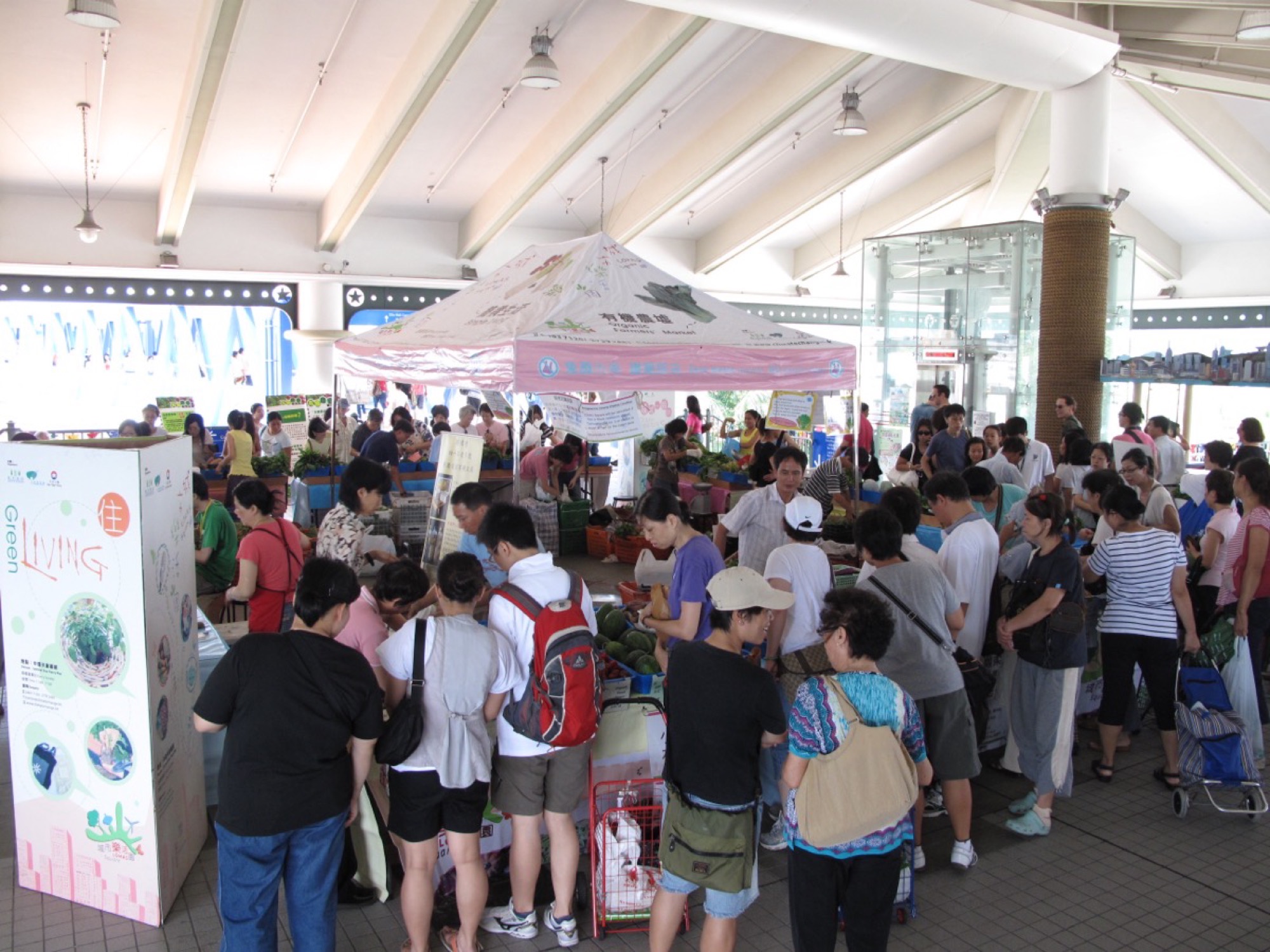
Launched the Central Farmers’ Market, which continues to operate today
- Organic farmers’ markets began appearing after the millennium, but finding suitable venues was a challenge. After trialing the market in various locations, KFBG secured an agreement with the Star Ferry in 2007 to host a weekly farmers’ market at Star Ferry Central Pier No. 7, which continues to this day.
Published Grow Organic!
Established the coffee plantation area
Hosted the first “Permaculture Design Certificate (PDC) Course”
- Permaculture is a sustainable agriculture design system that holds profound influence globally and serves as the core spirit of KFBG’s agricultural development. Over the years, KFBG has hosted numerous Permaculture Design Certificate (PDC) Courses.
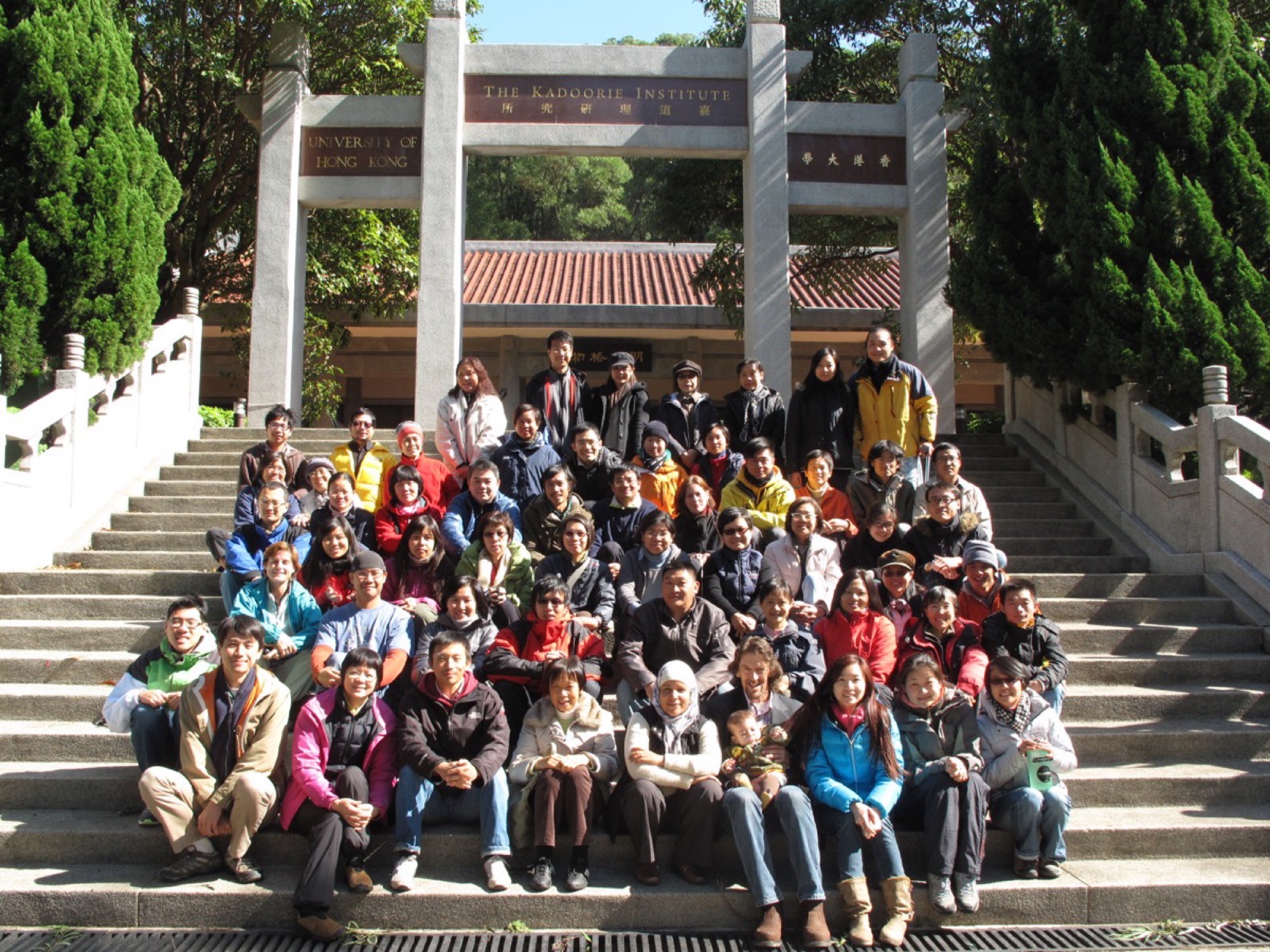
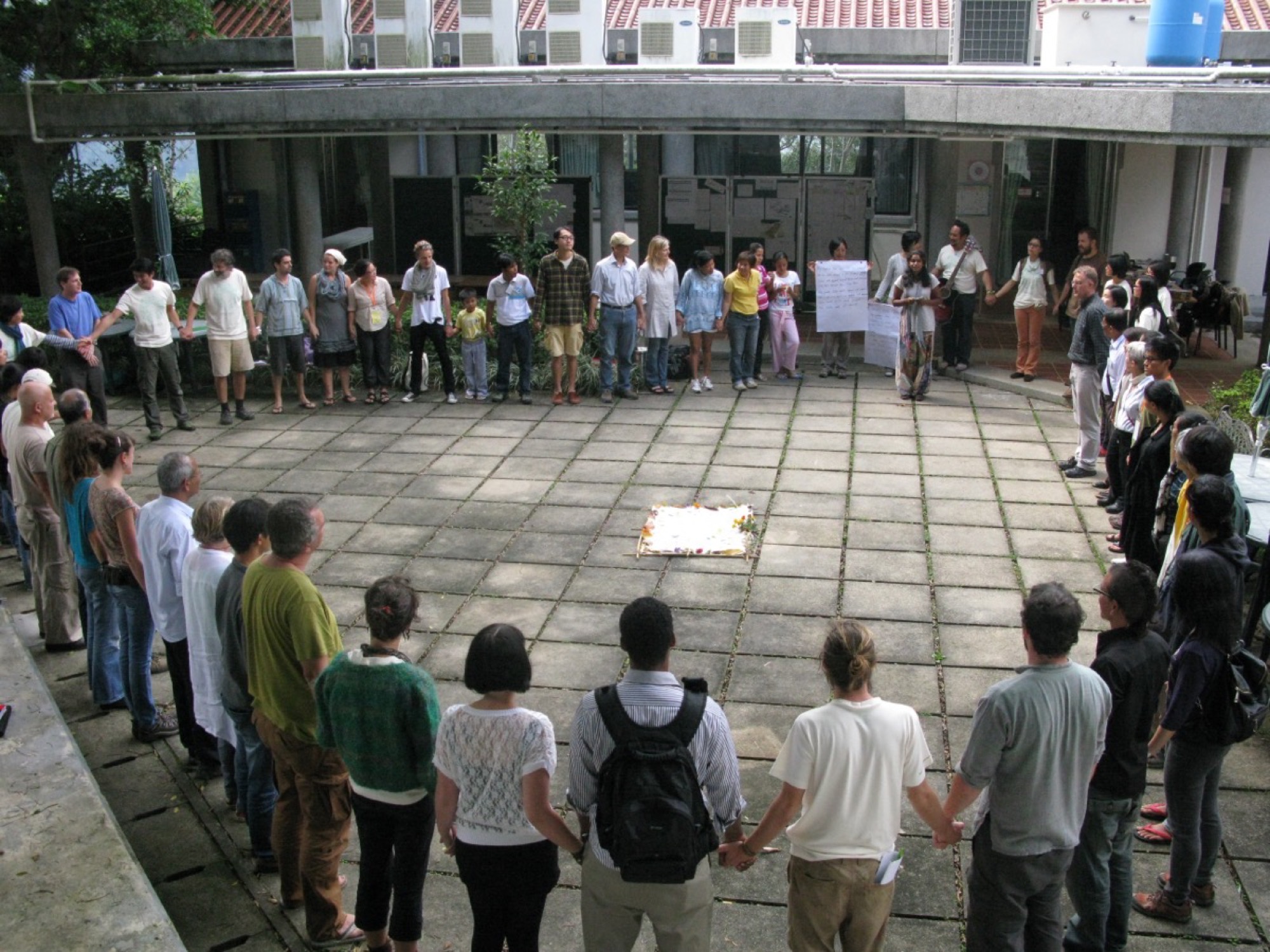
Hosted the “Southeast Asian Permaculture Convergency”
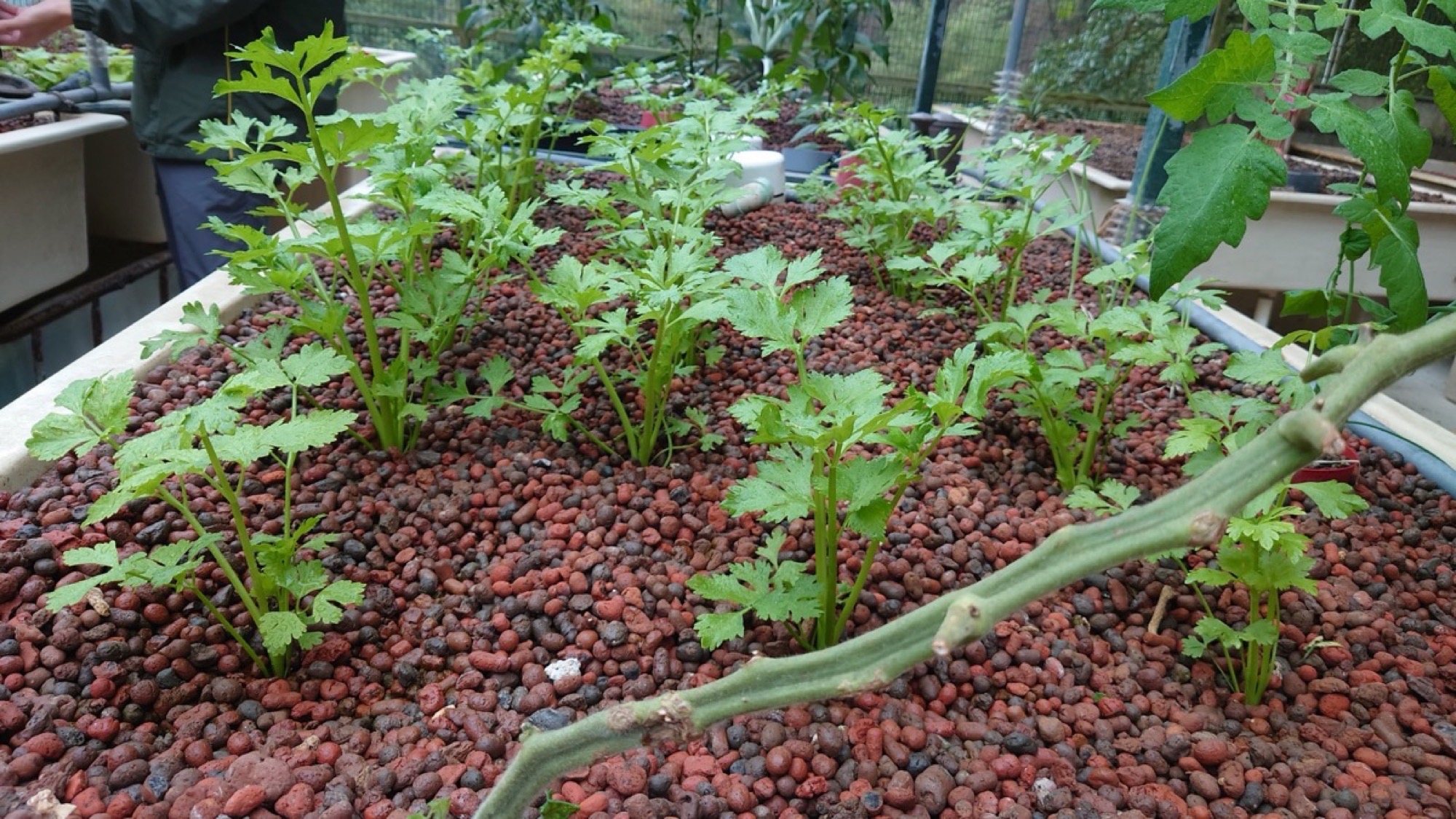
Launched the aquaponics project
Published Grow Organic @home
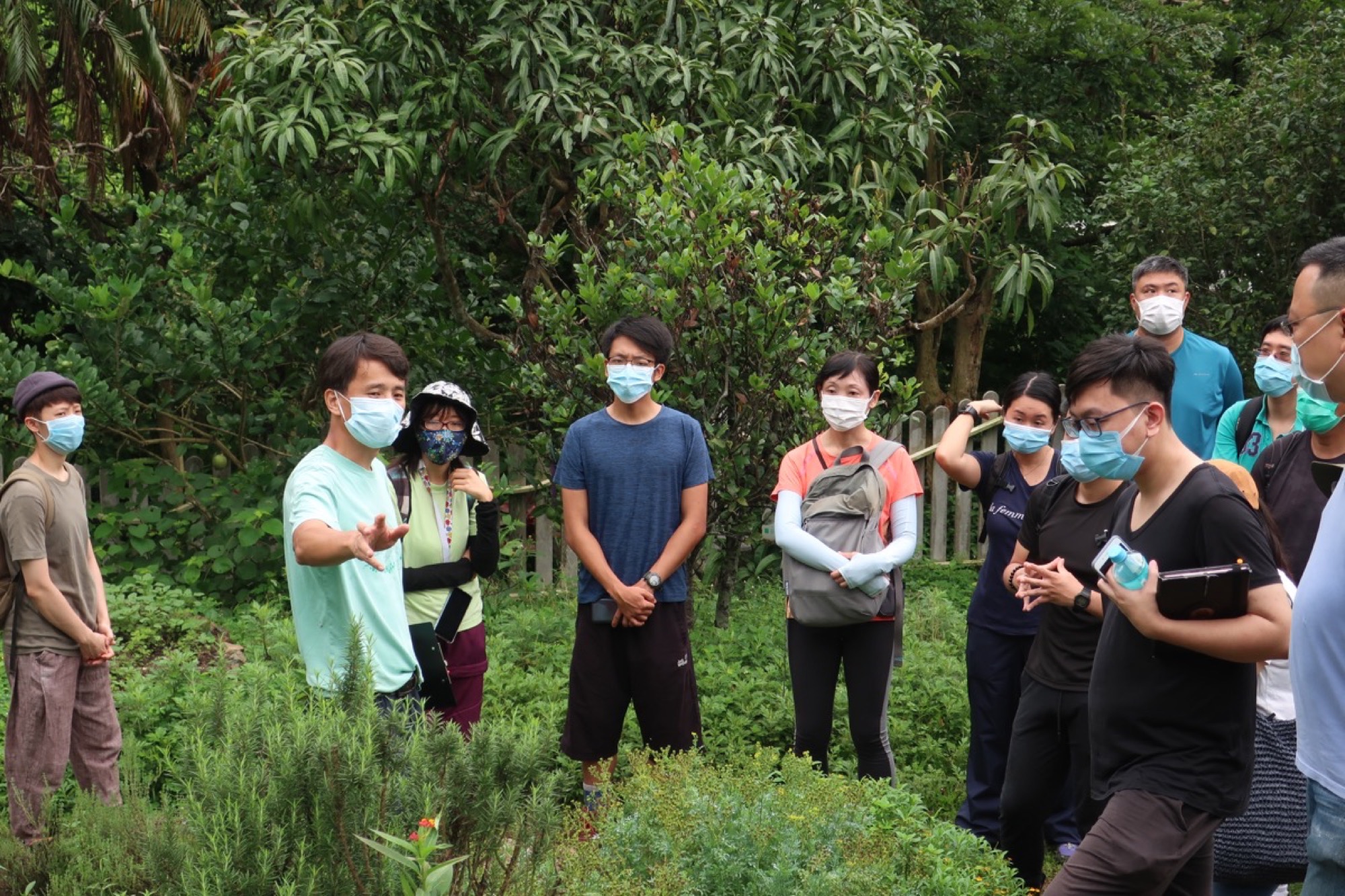
Collaborated with The University of Hong Kong on the “Certificate in Sustainable Agriculture Course”
- Agricultural training has always been a mainstay of local agricultural promotion. We have held numerous courses spanning various levels, topics, and formats over the years. Examples include the “Sustainable Agriculture Course” co-organised with the HKU Centre for Civil Society and Governance (2019–2024) and the “Professional Agricultural Management Course” held in 2025.
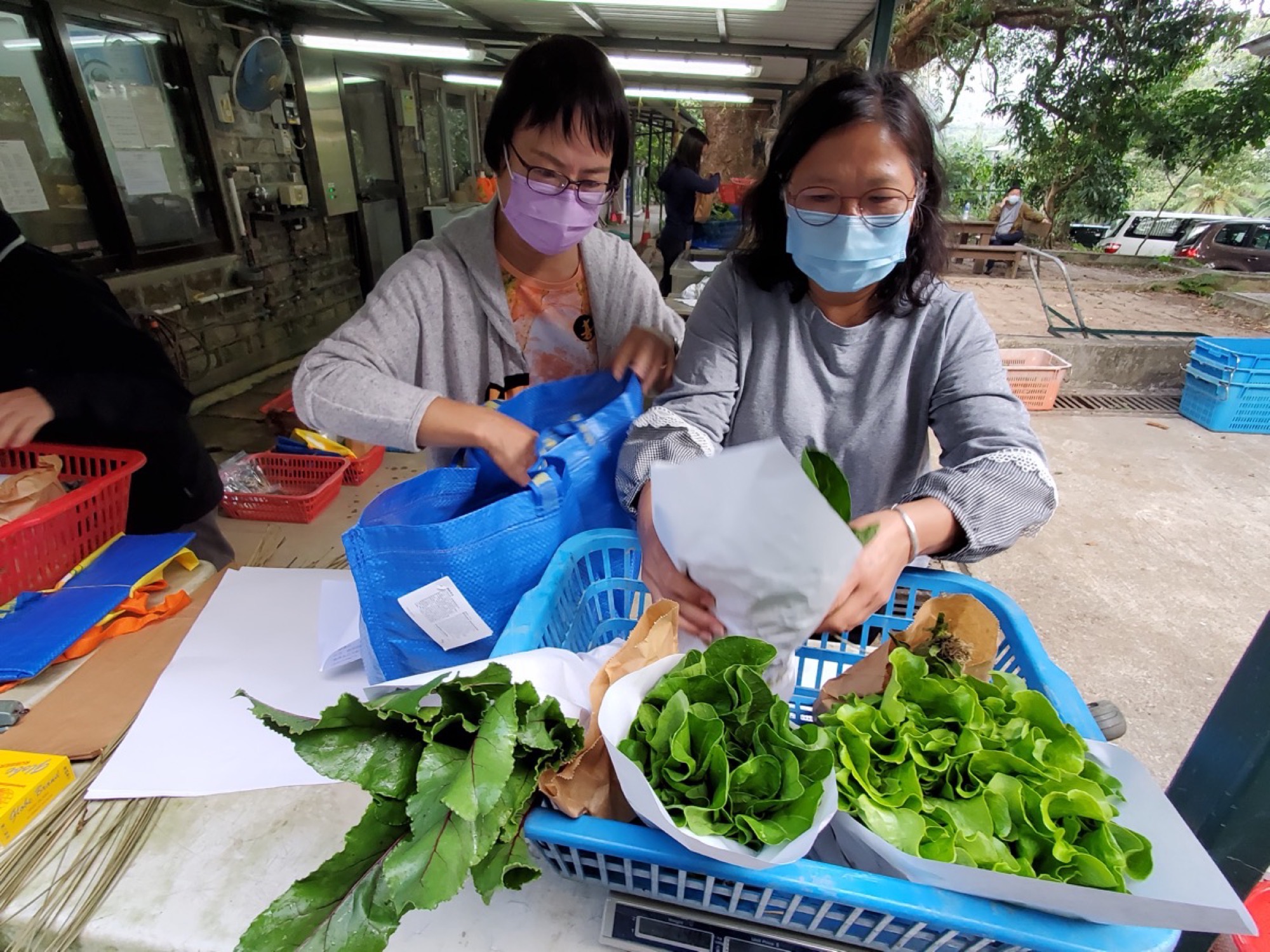
Launched the “Central Farmers’ Market Community Supported Agriculture (CSA)” online ordering scheme for local produce during the pandemic
- The 2020 Covid pandemic hit many local industries hard, and agriculture was no exception. Yet, crisis breeds opportunity; in response to the situation, KFBG launched the “Central Farmers’ Market Community Supported Agriculture (CSA)” online ordering scheme. This established an alternative online sales platform for local produce beyond the physical market, which remains active today.
Established the “Regenerative Agriculture Department”
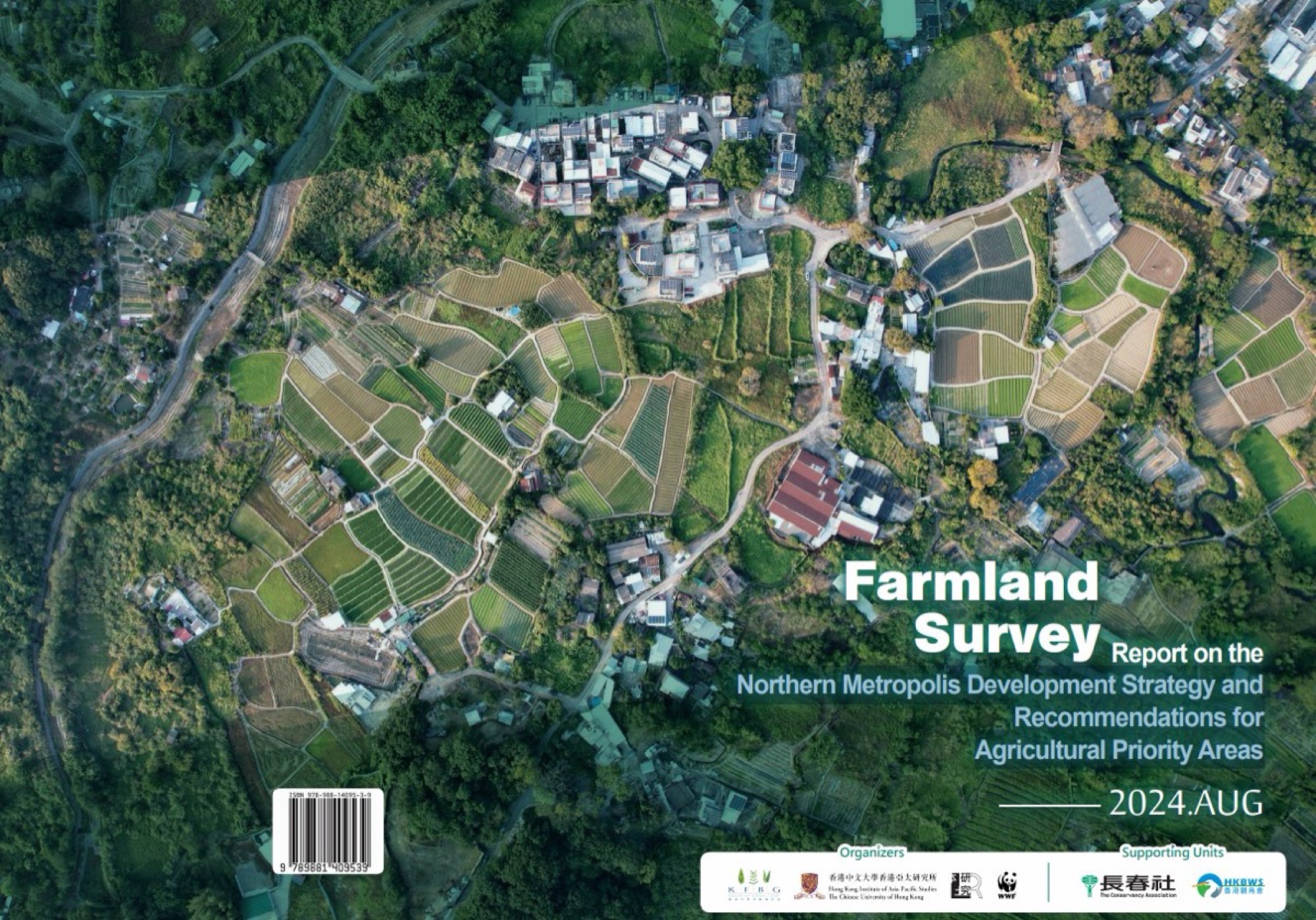
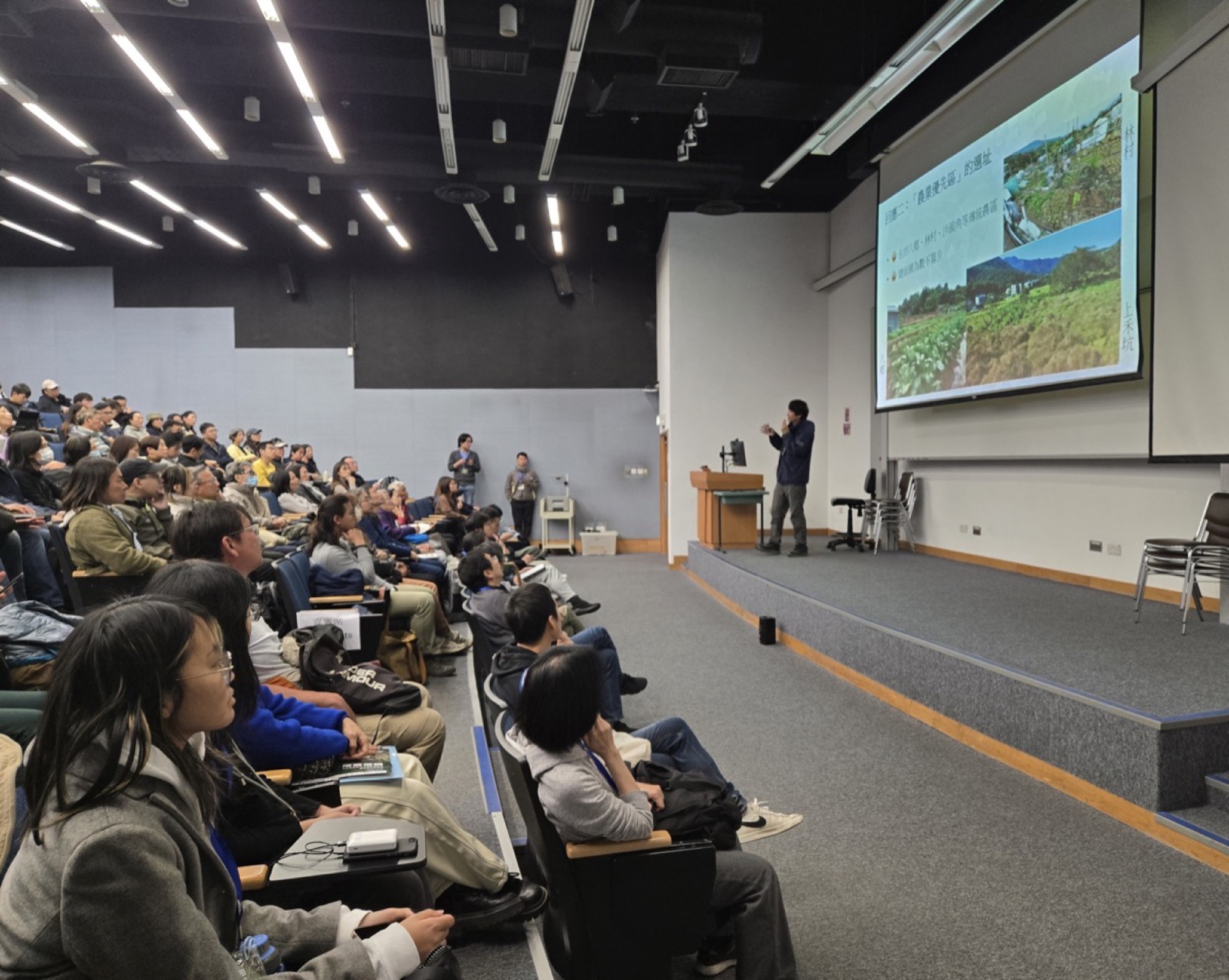
Released the Farmland Survey Report on the Northern Metropolis Development Strategy and Recommendations for Agricultural Priority Areas
- Urban development poses a constant threat to rural farmland. To raise awareness among the government and the public regarding the actual state of Hong Kong’s farmland, KFBG spearheaded a collaborative farmland survey with university academics, environmental groups, and community units between 2023 and 2024, alongside hosting two large-scale seminars.
Hosted the “Overview of ‘Agricultural Priority Areas’ Policy Seminar”
Launched the first “Professional Agricultural Management Course”
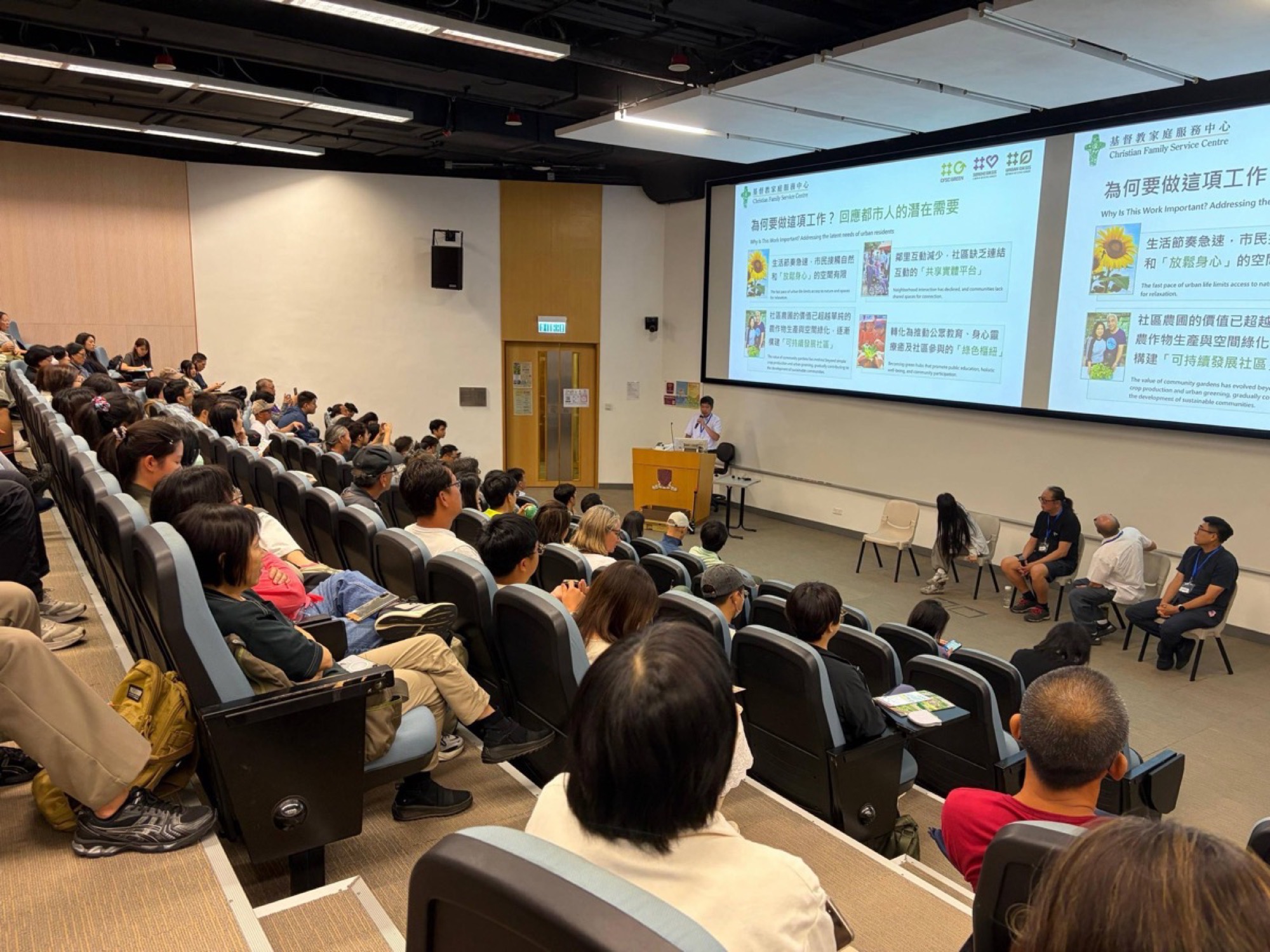
Launched the “Farming Hong Kong” project
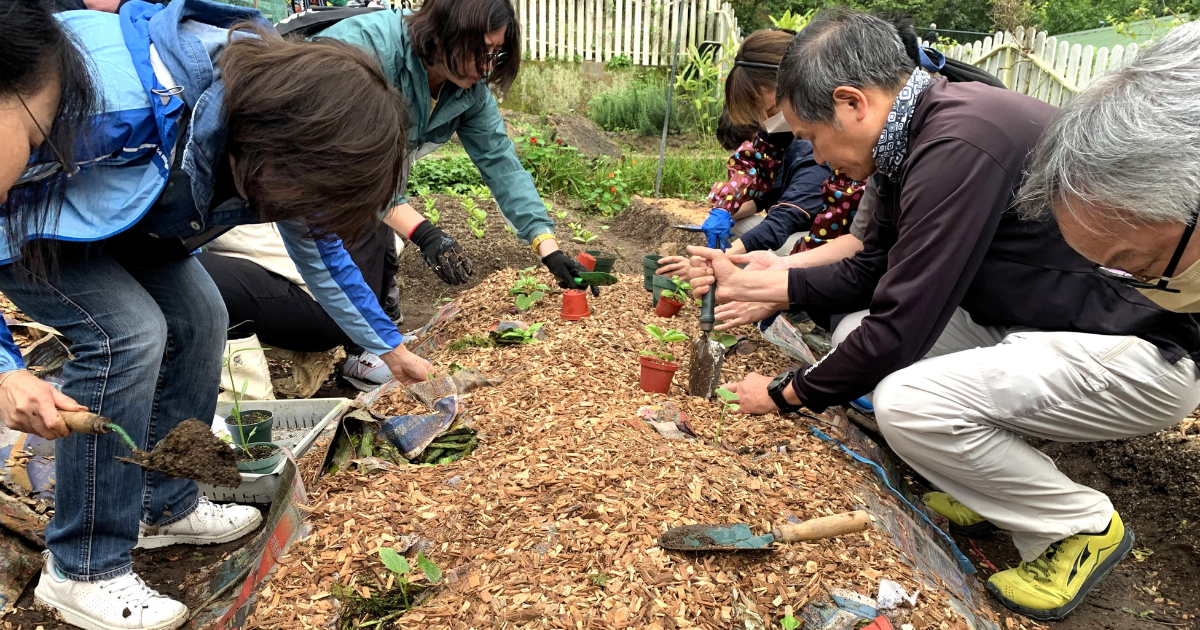
- “Farming Hong Kong” is a local agricultural promotion project organised by the Regenerative Agriculture Department and funded by the HKEX Foundation. Grounded in sustainability principles, the project drives three main pillars: 1) professional farmer training; 2) community-driven urban agriculture; and 3) public food and agriculture education.
Strategies and Achievements
The transformation during the 1980s and 1990s marked a critical turning point. Faced with a declining farming population, should KFBG maintain its agricultural focus? If so, how should it transform?
More than thirty years later, we have maintained our agricultural work, and our efforts have yielded solid results and widespread public recognition. Below are our core strategies and achievements:
The Work in Numbers
Agricultural Demonstrations (Excerpt)
Farmers’ Market and Community Supported Agriculture (CSA)
2007 to present; over 800 market days held in total; over 40 local farms have joined, with around 10 farmer stalls at any time.
2020 to present; 10 to 15 ordering days organised annually; total volume of local produce traded through the platform exceeds 5 tonnes.
For how to take part and the latest arrangements, please see Local Support.
Agricultural Courses (Excerpt)
Below is a record of the agricultural courses KFBG has held over the years. For courses currently on offer, please see Learning & Community, and check Events and Programmes for dates.
Listed by number of people. The workshop figure counts attendances, not individuals, so it is not directly comparable with the others.
Large-scale Seminars
Seminars organised or co-organised by KFBG:
- 2003: Community Supported Agriculture Seminar
- 2012: Southeast Asian Permaculture Convergency
- 2024: Farmland Survey Report on Northern Metropolis — Forum on Farmland Issues
- 2025: Overview of ‘Agricultural Priority Areas’ Policy Seminar
- 2026: “Urban Agriculture: Planning, Implementation and Community Engagement” Seminar
Explore Our Regenerative Journey
Select a pathway below to discover our history, technical practices, or ways to join our community.