

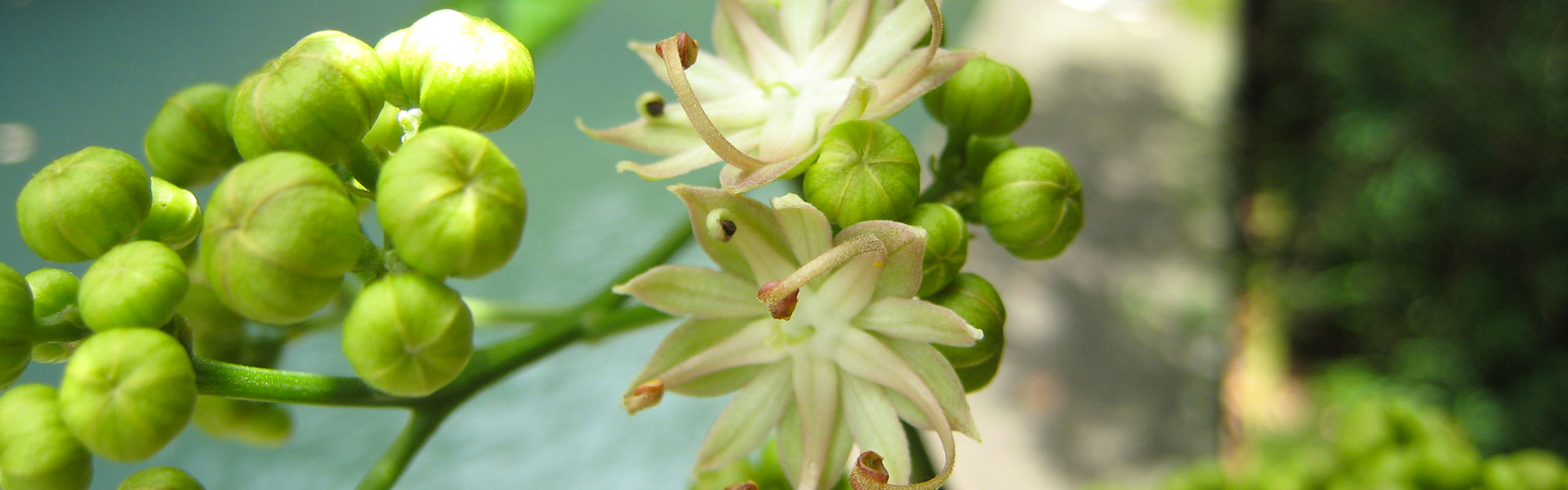
The countryside of Hong Kong forms a living tapestry of forests and wetlands, serving as a frontline where humans and wildlife meet and learn to coexist.
This year, Kadoorie Farm and Botanic Garden is celebrating its 70th anniversary; to honour the rich biodiversity of this land and continue the conservation journey we have steadfastly pursued over the years, we have invited a number of conservation experts to share with the public information about these vibrant ecosystems. Together, we explore how science and compassion combine in tangible actions to protect the habitats of our wild neighbours, helping write a more promising chapter for a future where people and nature thrive in harmony.
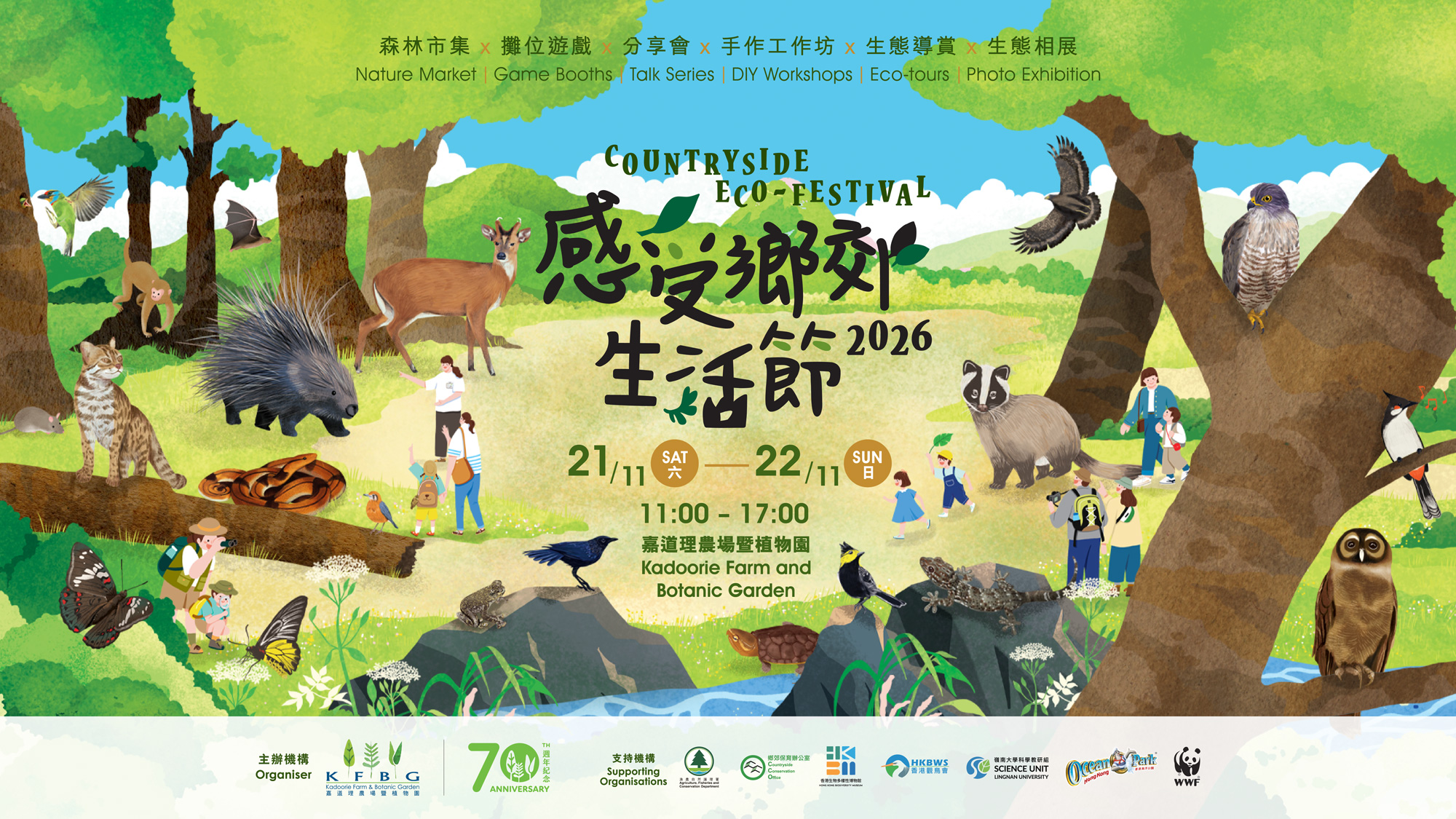
Event Details
 Pre-register and you will receive a souvenir. Registration is not required to join a talk, but those who pre-register will receive a souvenir, available while stock lasts.
Programme
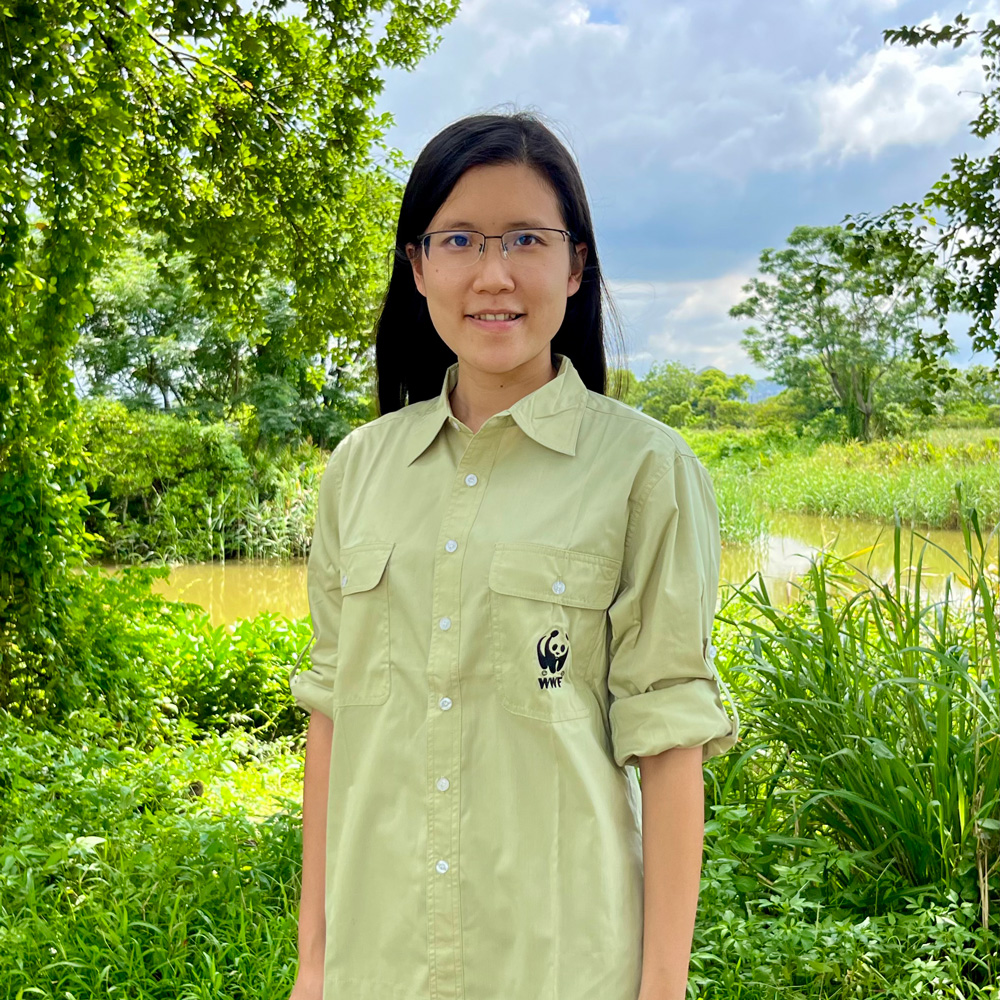
 21 Nov 2026 (Sat)|
 14:00 – 14:30|
 Cantonese
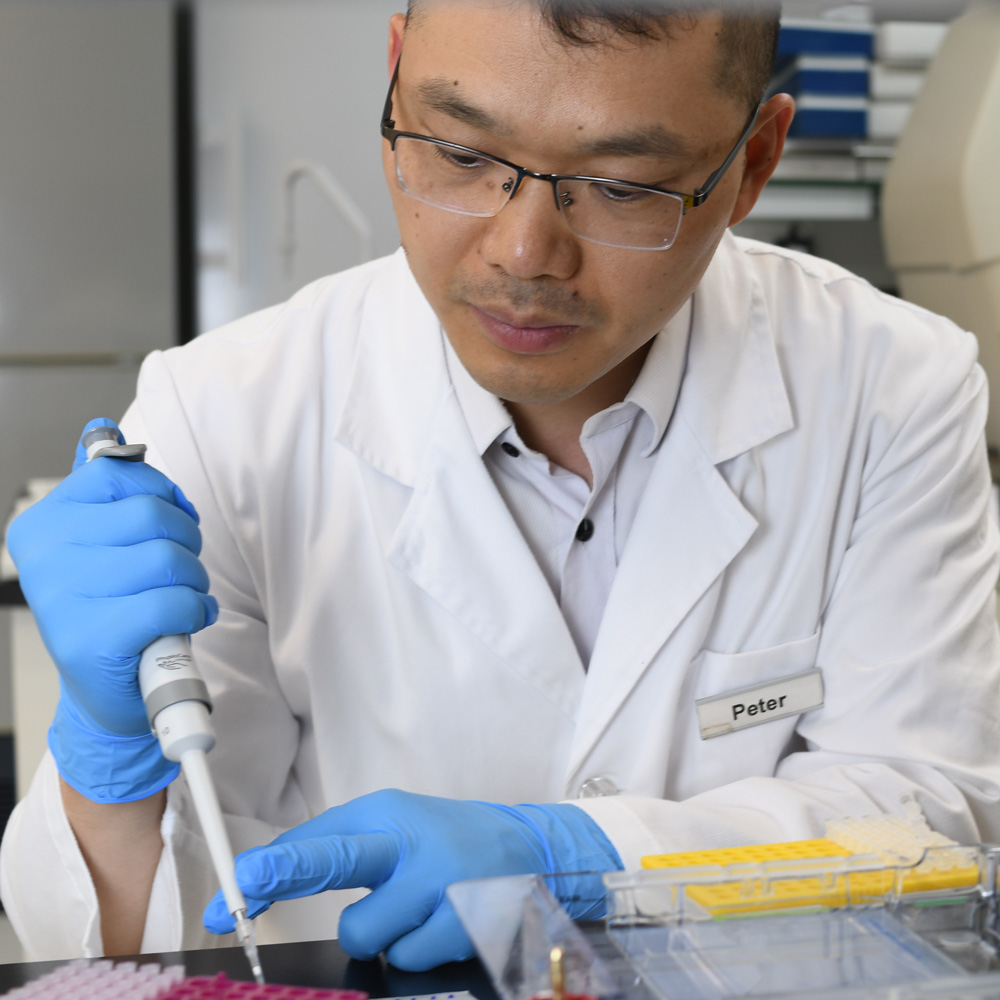 21 Nov 2026 (Sat)|14:30 – 15:00|Cantonese
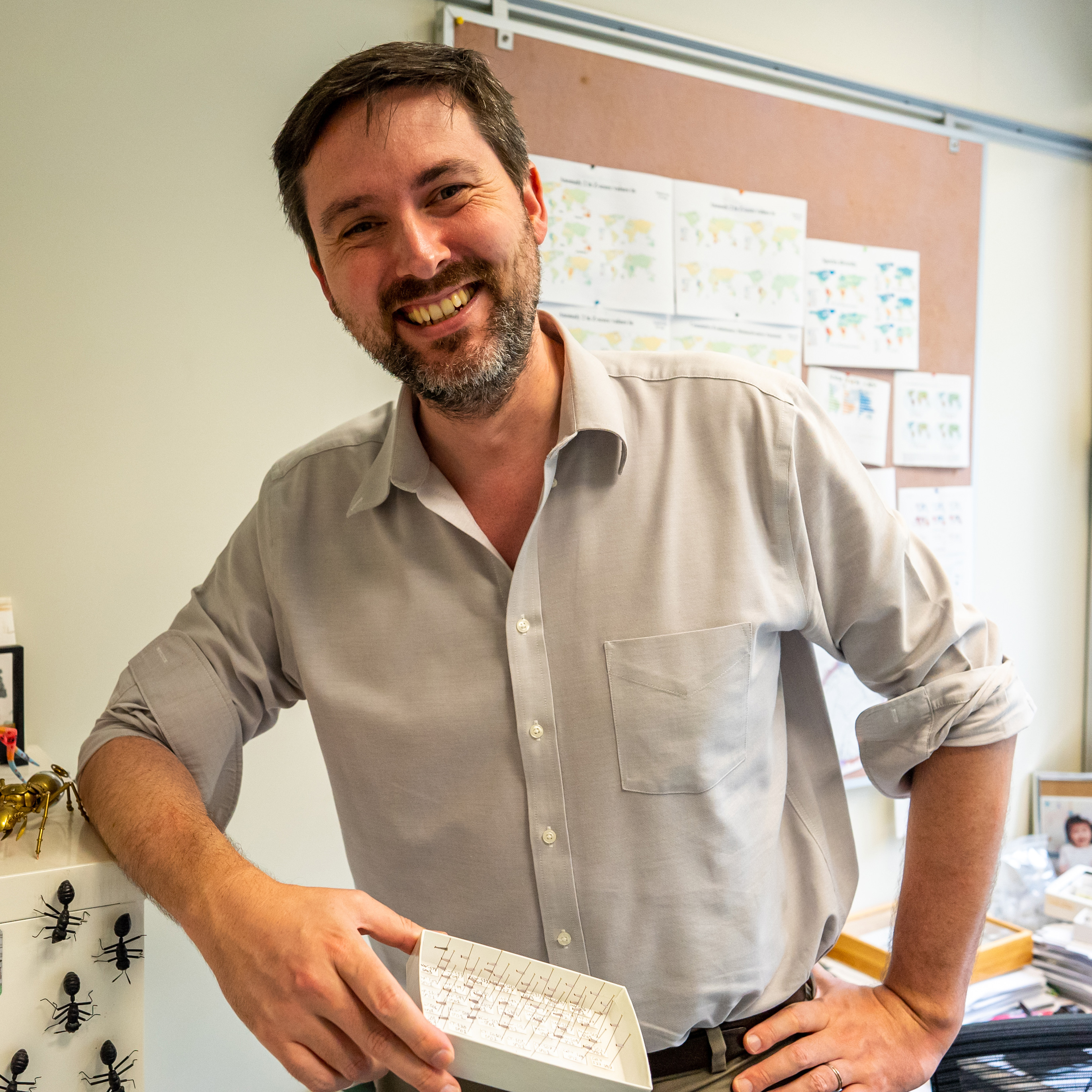 21 Nov 2026 (Sat)|15:00 – 15:30|English
The Hong Kong Biodiversity Museum (HKBM) is one of the most recent and smallest museums in the region. Yet, with a collection of around 60,000 specimens, 70,000 visitors welcomed since 2021, and millions of people reached online, it is very active in promoting biodiversity education, natural wonders and research. This talk introduces the genesis, development and future of HKBM, while presenting the roles that a natural history museum could and should play in Hong Kong and Asia. Ultimately, HKBM should become a rally point for all keen on learning, exploring and discovering Hong Kong biodiversity.
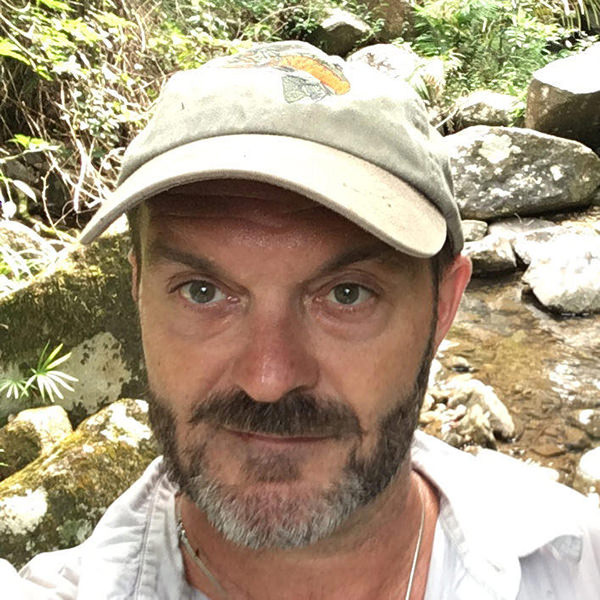 22 Nov 2026 (Sun)|14:00 – 14:30|English
In 1999, Kadoorie Farm and Botanic Garden established the Wild Snake Rescue Project to address the community needs. It has been quietly safeguarding the delicate boundary between humans and snakes in Hong Kong ever since, by releasing native snakes back into local wild areas and helping people understand the vital role snakes play in our ecosystem. The talk takes the audience through this unique journey of community service, from collaboration models with the Hong Kong Police and Agriculture, Fisheries and Conservation Department, to the science behind snake rescue, temporary care, and release; from interpreting the data on snake-human encounters, to sharing how we can move from fear to understanding, and from conflict to coexistence.
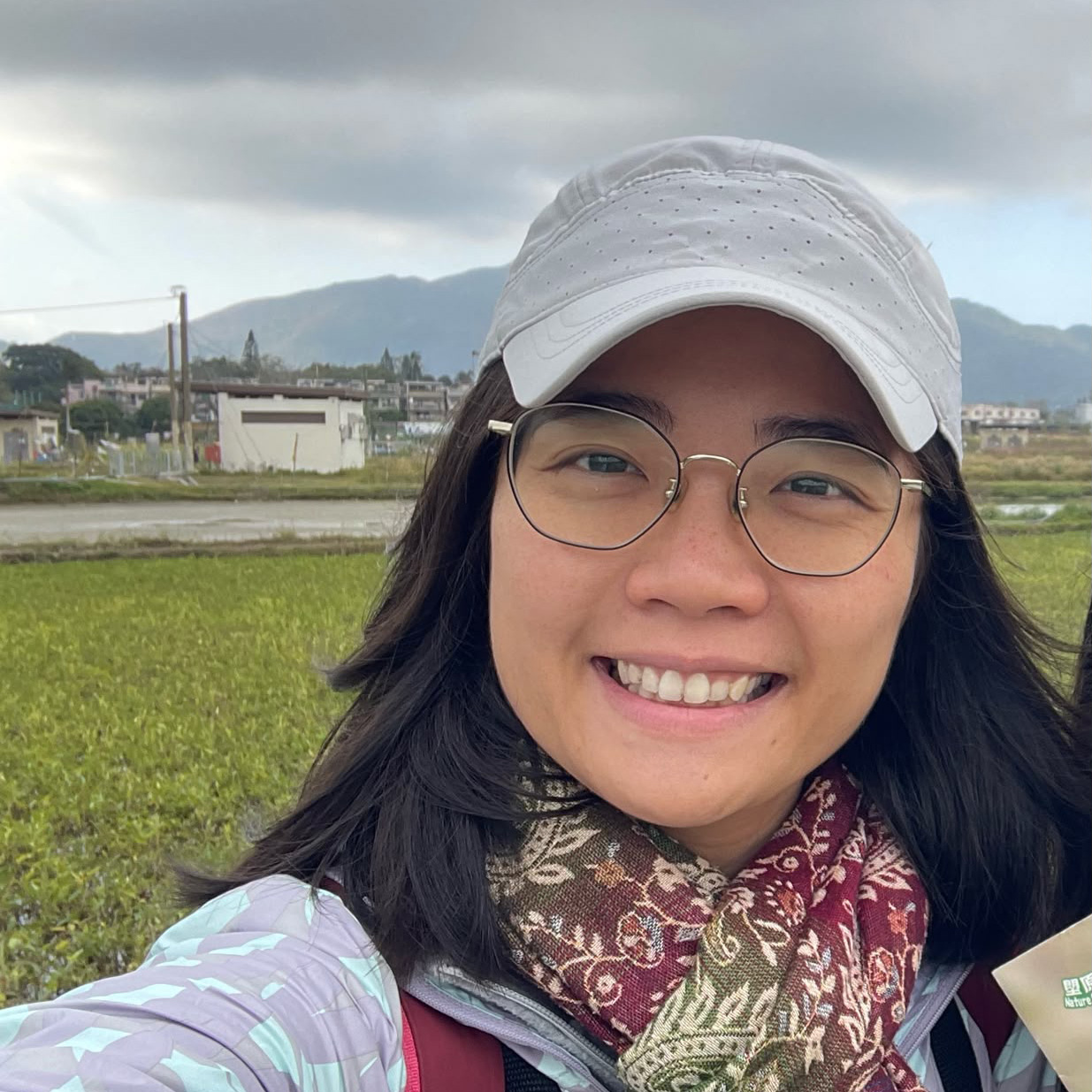 22 Nov 2026 (Sun)|14:30 – 15:00|Cantonese
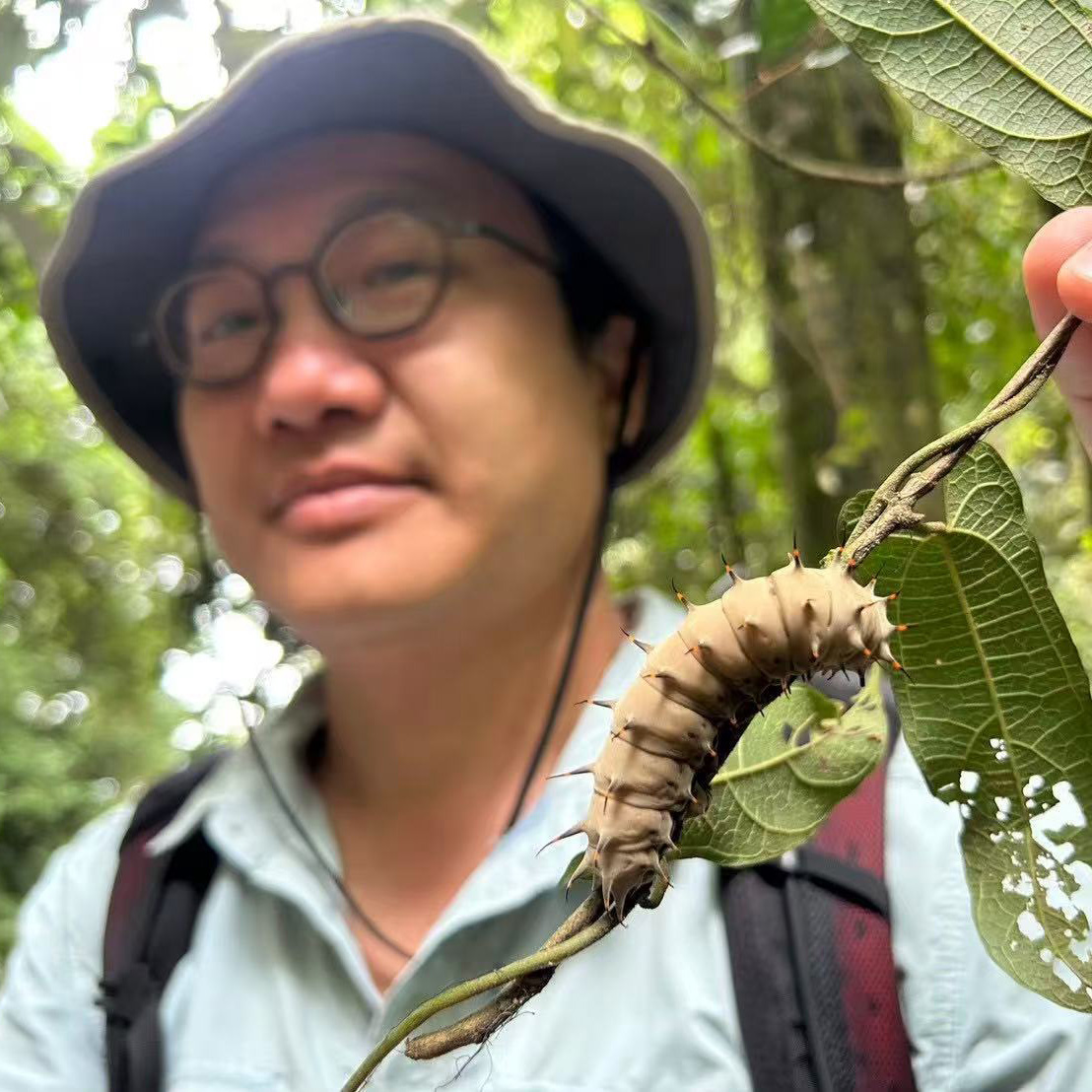 22 Nov 2026 (Sun)|15:00 – 15:30|Cantonese
The Hainan gibbon is the world’s most critically endangered primate. A survey in 2003 revealed that only 13 individuals were alive, teetering on the brink of extinction. In response to this crisis, KFBG joined forces with the Hainan Forestry Department and the local nature reserve to launch a series of urgent conservation actions, determined to pull the species back from the edge. The journey has been full of challenges, but through adaptive strategies and persistent effort, we are strivings to ensure that their songs continue to echo through the tropical rainforest of Hainan.