
Regenerative Agriculture: Bridging Historical Heritage with a Sustainable Future
Regenerative Agriculture - Regenerative Agriculture
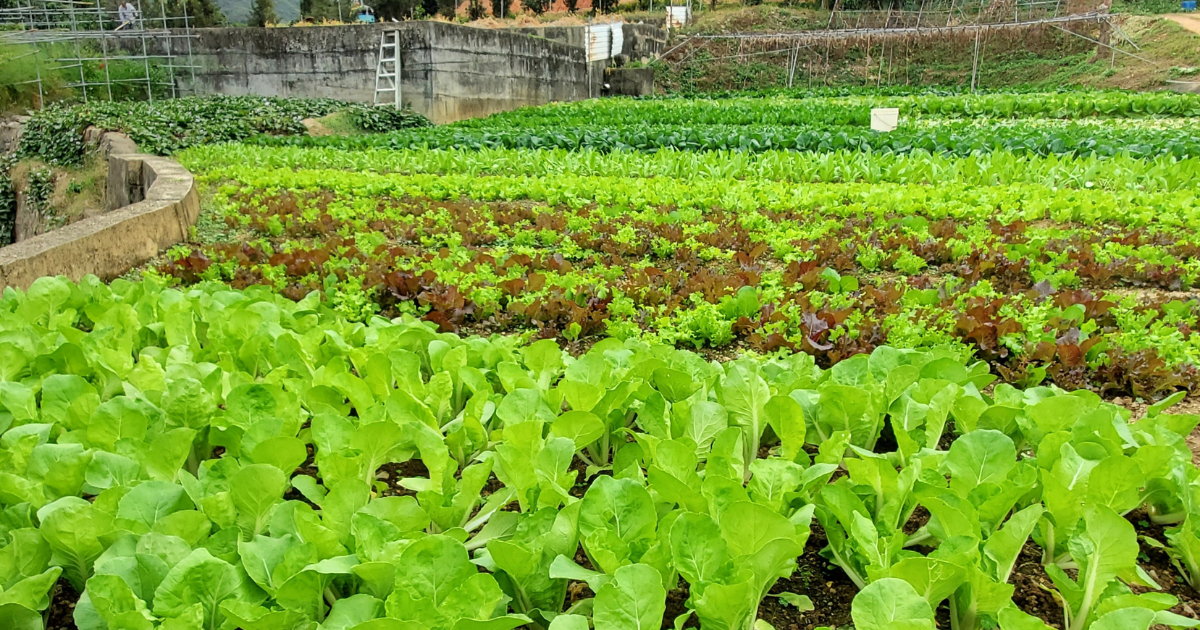
Hong Kong’s agricultural landscape has evolved through the years; it transitioned from early clan-based rice cultivation societies to the post-war “New Territories Vegetable” boom, and now towards an organic industry focused on health and environmental protection. As social structures shift, farming has moved beyond traditional family operations into diverse lifestyle practices, including urban farming and the “half-farmer, half-X” model.
Facing the challenge of a local Hong Kong vegetable self-sufficiency rate below 2%, our Regenerative Agriculture Department is committed to conserving local resources and maximising their multifaceted ecological, social, and educational value.
Cultivating a Resilient Future Through Regenerative Practices
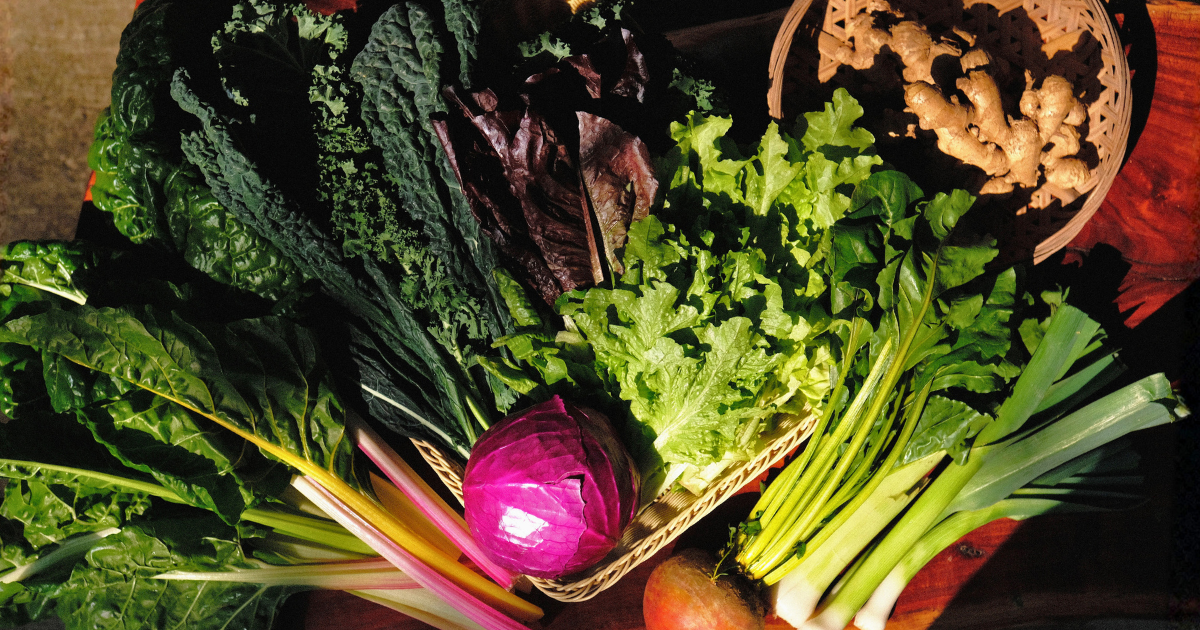
From rice to organic
The Evolution of Hong Kong Agriculture
Early – 1945 Traditional Rice & Clan Society
- New Territories villages centred around rice cultivation.
- Developed social structures based on clan systems.
- Featured unique industries such as tea and agarwood.
1945 – 1970s The “New Territories Vegetable” Transition
- The post-1945 period marked a critical turning point for agriculture.
- Large influx of refugees moved into New Territories rural areas.
- Initiated a shift towards vegetable production distinct from traditional rice farming.
1980s – Present
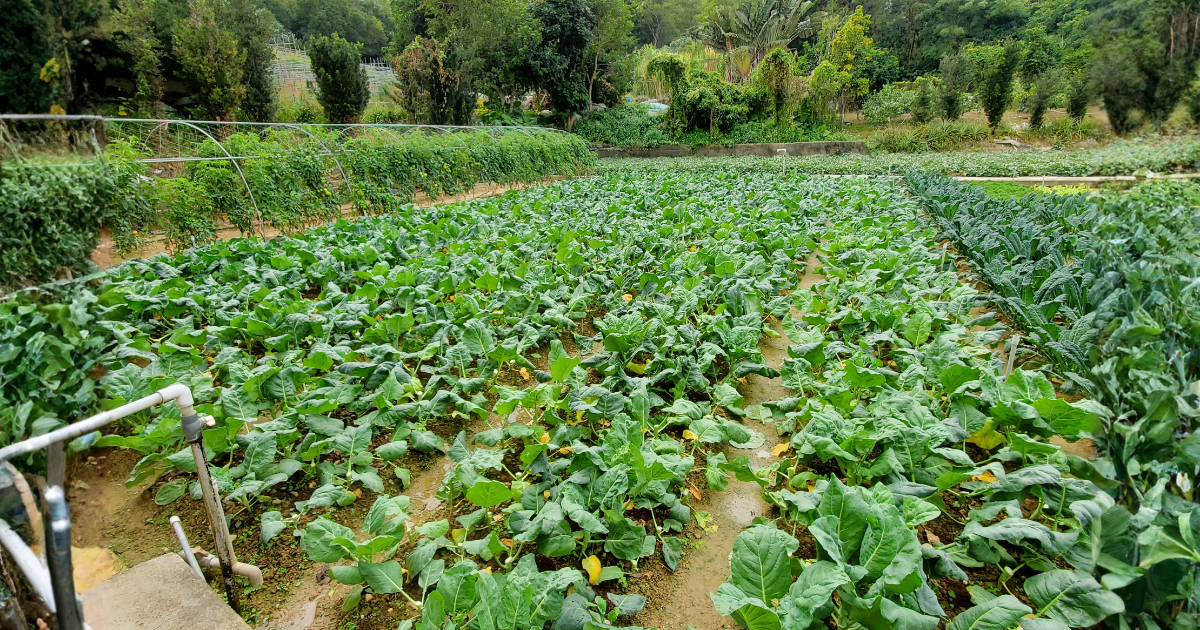
Organic Industry & Modern Lifestyles
- The concept of organic farming began to emerge in the late 1980s.
- Around the millennium, organic farming formally developed into an industry.
- Emergence of new trends such as “half-farmer, half-X” and urbanites engaging in agriculture.
Pathways
Explore Our Regenerative Journey
Select a pathway below to discover our history, technical practices, or ways to join our community.