
Learning and Community
Regenerative Agriculture - Regenerative Agriculture
KFBG organises various agricultural training programs, community planting activities, and diverse farming experiences to facilitate learning and build sustainable community networks.
Outreach: Connecting Urban and Rural
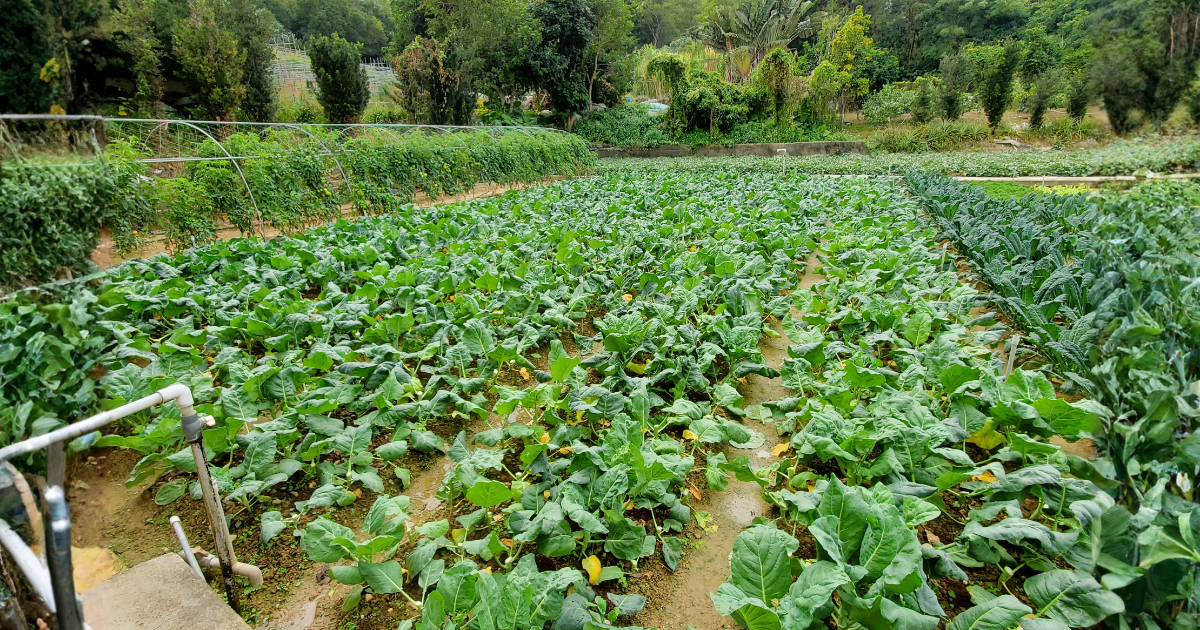
Under the influence of factors such as urbanisation and global warming, Hong Kong’s agriculture has developed in a unique direction. For many years, the Regenerative Agriculture Department of KFBG has maintained close communication with the industry and the community. In rural areas, we emphasise the importance of conserving the precious remaining agricultural land; in the city, we encourage more urban agriculture development projects, enabling more people to achieve the goal of community inclusion through farming activities.
Training
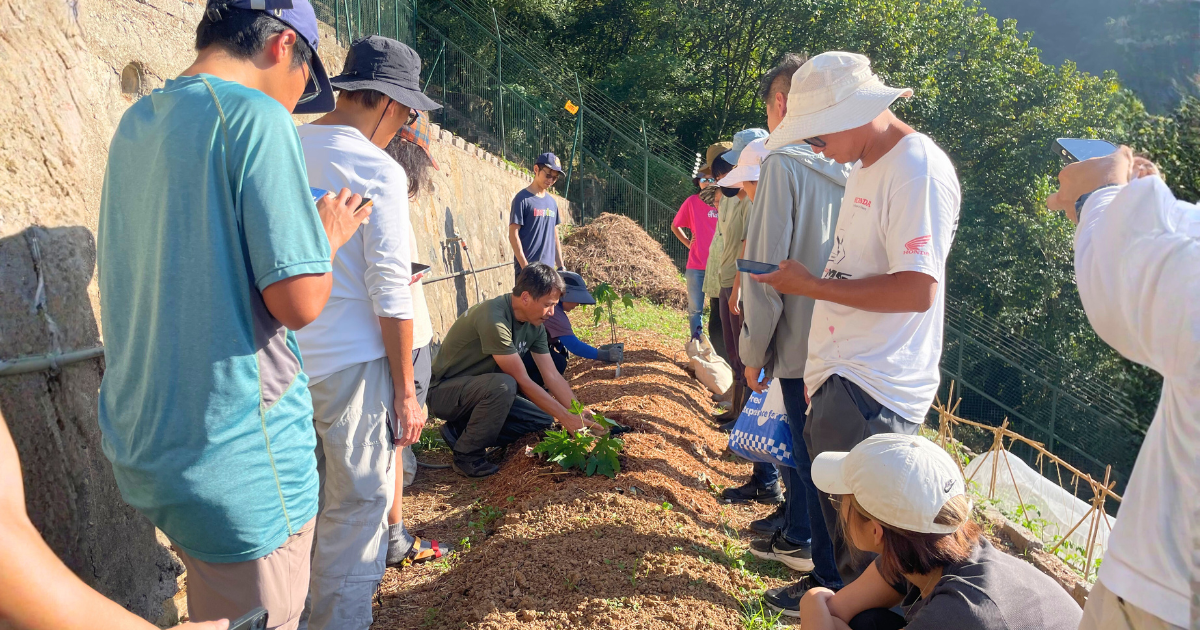
Agricultural Training: Professional & Sustainable Practice
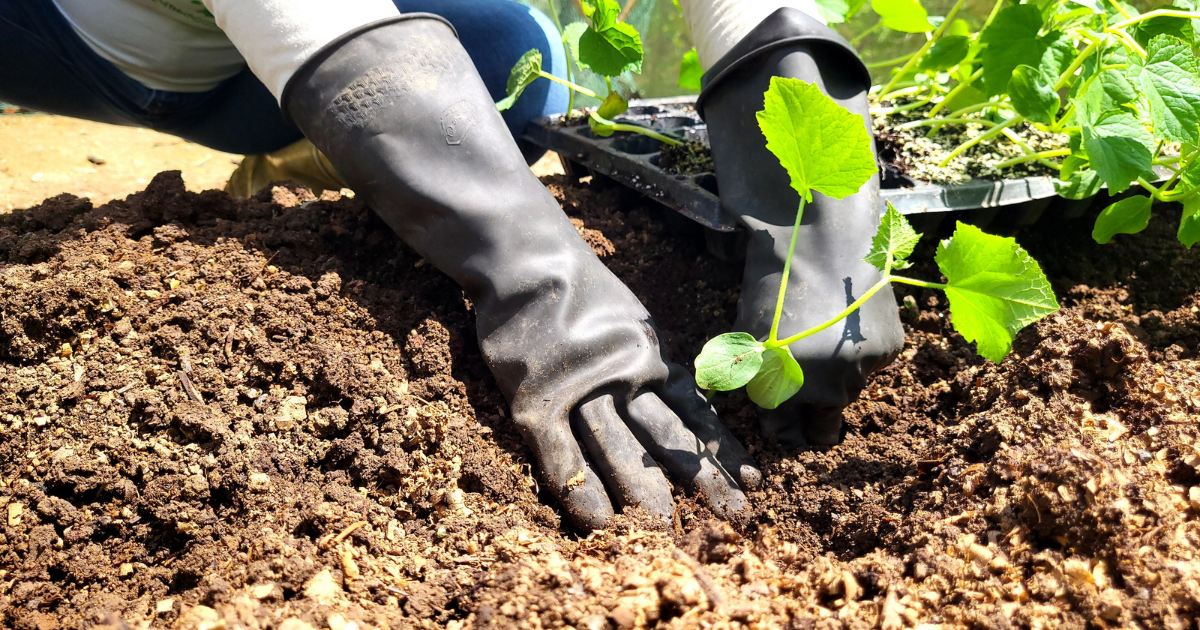
The Regenerative Agriculture Department of Kadoorie Farm and Botanic Garden (KFBG) implements various courses tailored to different fields and levels of agriculture. We are committed to providing practical technical instruction to bridge the gap in the succession of farming techniques:
- Professional Farming Management Course: A multi-month programme, approx. 100 hours.
- Introductory Courses on Sustainable Agriculture for City Farmers: A 3-day course.
- Urban Fruit Tree Planting Beginner Workshop: A half-day workshop.
- Beekeeping Course: A 2-day course.
- Hong Kong Agriculture Course: A 2-day course.
Note: Courses are generally offered annually or biennially. Please check Events and Programmes for specific dates.
In the community

Community Connection: Bringing Cultivation to the Masses
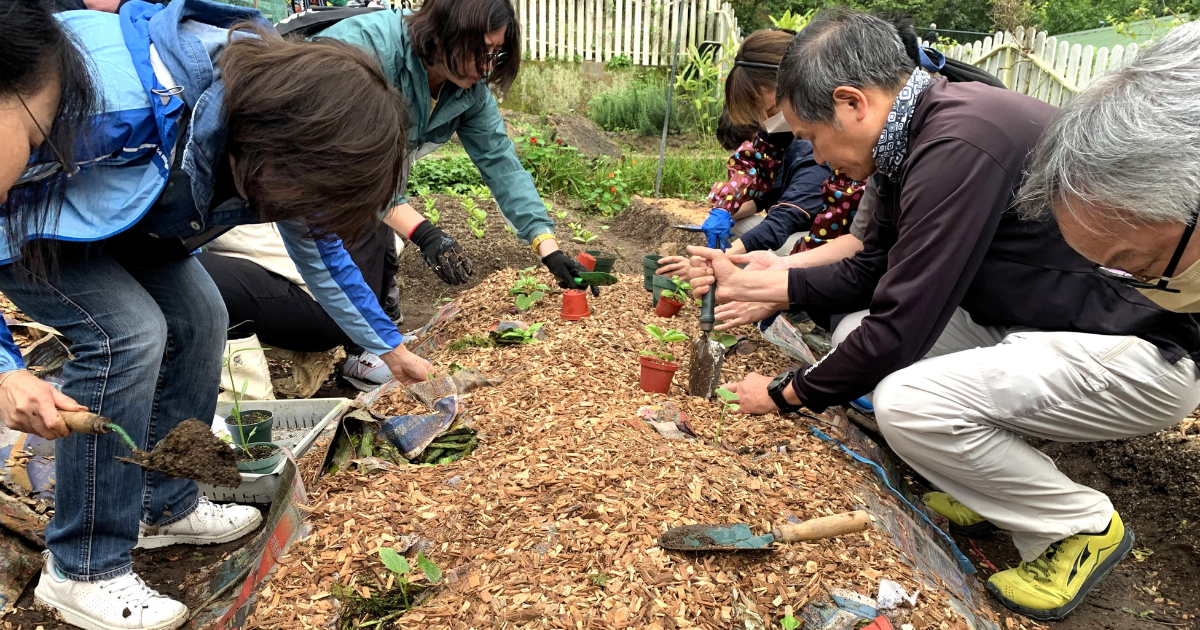
Over the years, KFBG has collaborated with various regional groups, community organisations, and schools to launch different types of community farm projects, bringing urban cultivation to the public. Generally, we focus on our areas of expertise, such as farm design and execution, introductory cultivation courses, and “Train the Trainer” programmes. These farms are located across Hong Kong, including transitional housing, school campuses, and building rooftops.
Starting in 2026, the Regenerative Agriculture Department is hosting the “Farming Hong Kong” Project under the HKEX Foundation, while organizing the “Urban Farming Matching Platform” to connect organizations interested in establishing community gardens and edible landscapes with professional teams of farmer mentors.
Public experiences
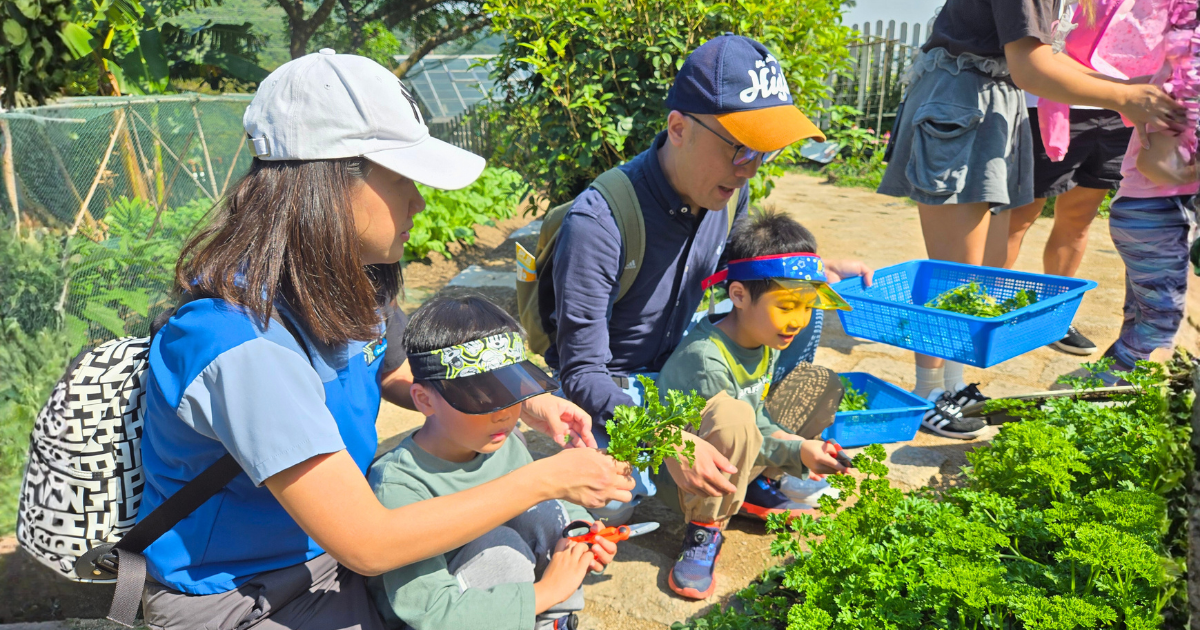
Sharing with the Public: Diverse Agricultural Experiences
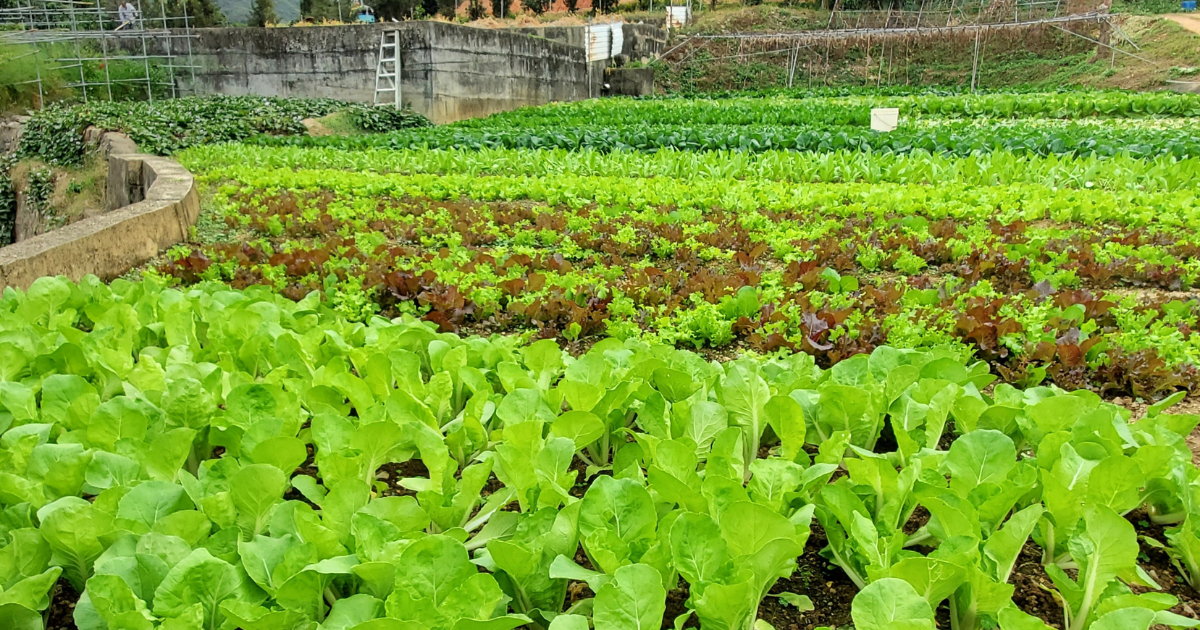
Beyond professional courses and sales promotion, we actively bring our diverse production projects to the public through engaging methods, allowing the public to learn about local coffee, tea, fruits, honey, herbs, and vegetables in a relaxed and enjoyable way. Below are the agricultural experience activities previously organised by KFBG, and we will continue to launch more diverse projects in the future:
- Hong Kong Coffee Encounters
- Hong Kong Tea Workshop, Mindfulness Tea Tasting
- Hive Dive – The Connection between honeybees and us, The Little Beekeeper
- Fruit Forest Walk
- Spring Harvest Fun
- Herb-themed activities
Note: Please check Events and Programmes for specific activity dates.
Policy and research
Research and Advocacy: Protecting Farmland Resources
We closely monitor the development of local agriculture and provide timely recommendations on Hong Kong’s agricultural policies. Farmland conservation is a core focus for KFBG. Between 2023 and 2024, the Regenerative Agriculture Department spearheaded the “Farmland Survey Report on the Northern Metropolis Development Strategy and Recommendations for Agricultural Priority Areas” in collaboration with various local environmental groups, research organisations, and tertiary institutions, stimulating social discussion and providing advice to the government.
Pathways
Explore Our Regenerative Journey
Select a pathway below to discover our history, technical practices, or ways to join our community.