
Designing for Resilience
Sustainable Living - Sustainable Living
Permaculture is a regenerative design system grounded in ecological principles and guided by three core ethics: Care for the Earth, Care for People, and Fair Share. It offers a framework of 12 design principles to promote working with nature to build resilient, life-supporting systems.
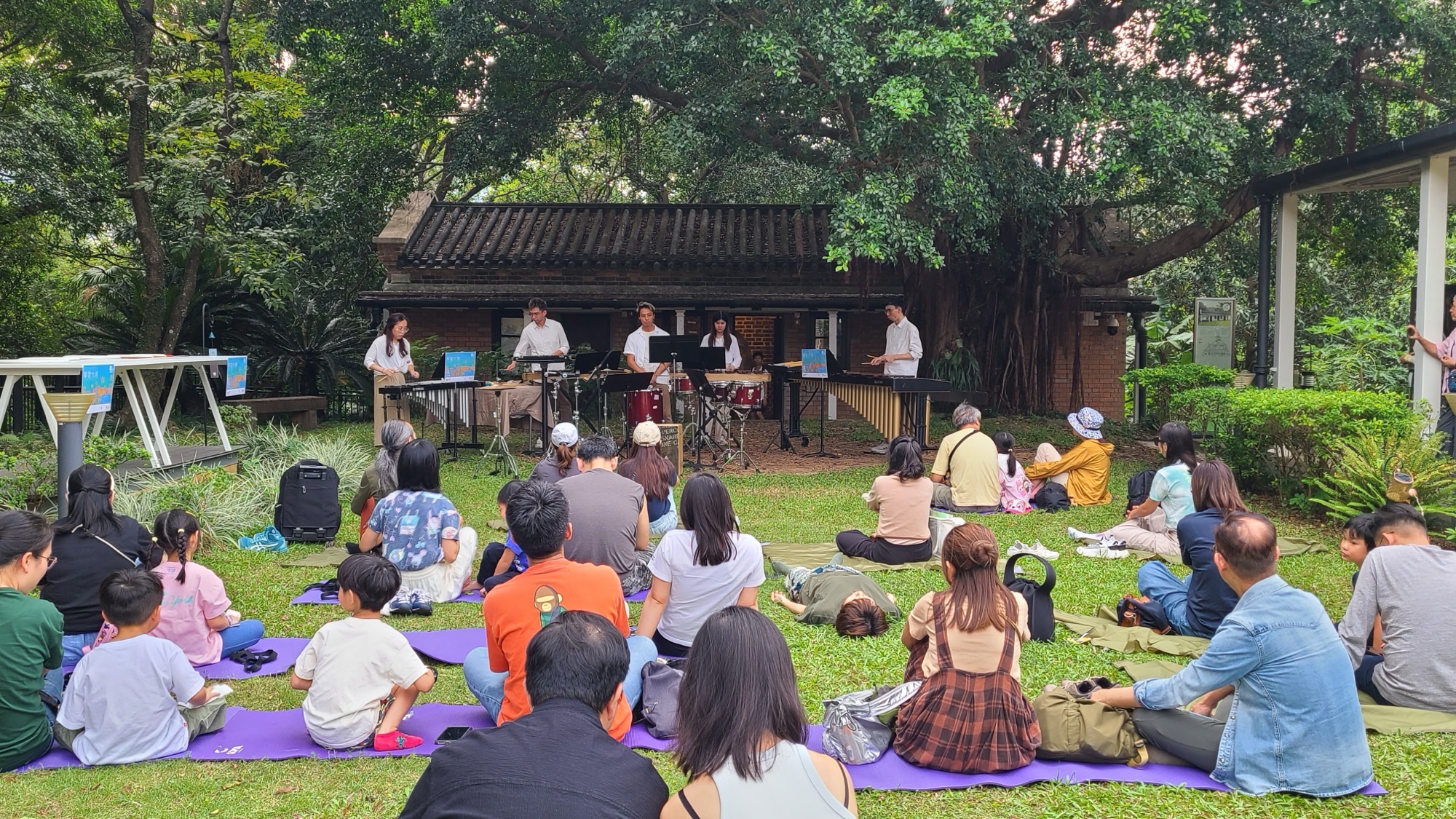
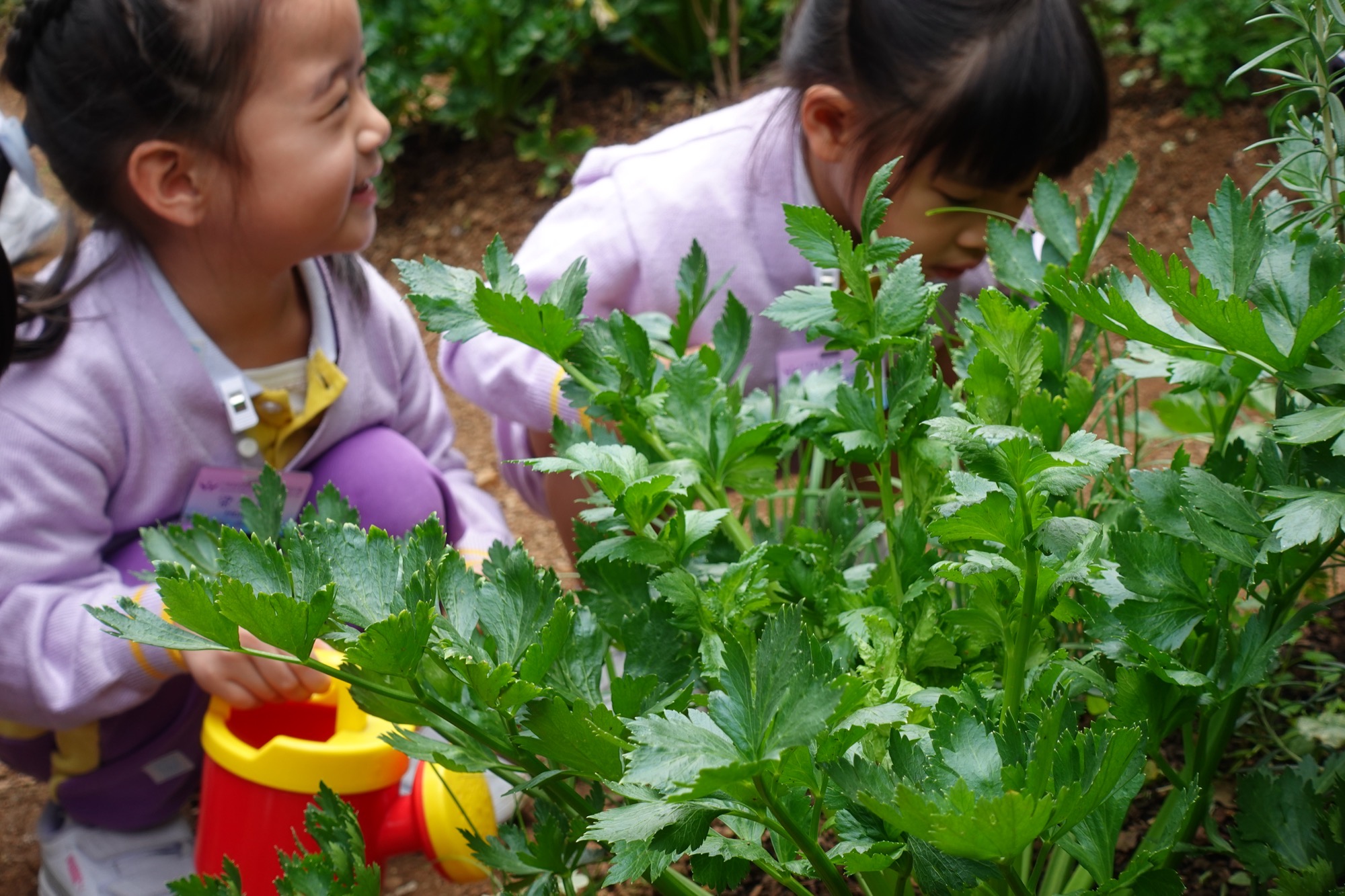
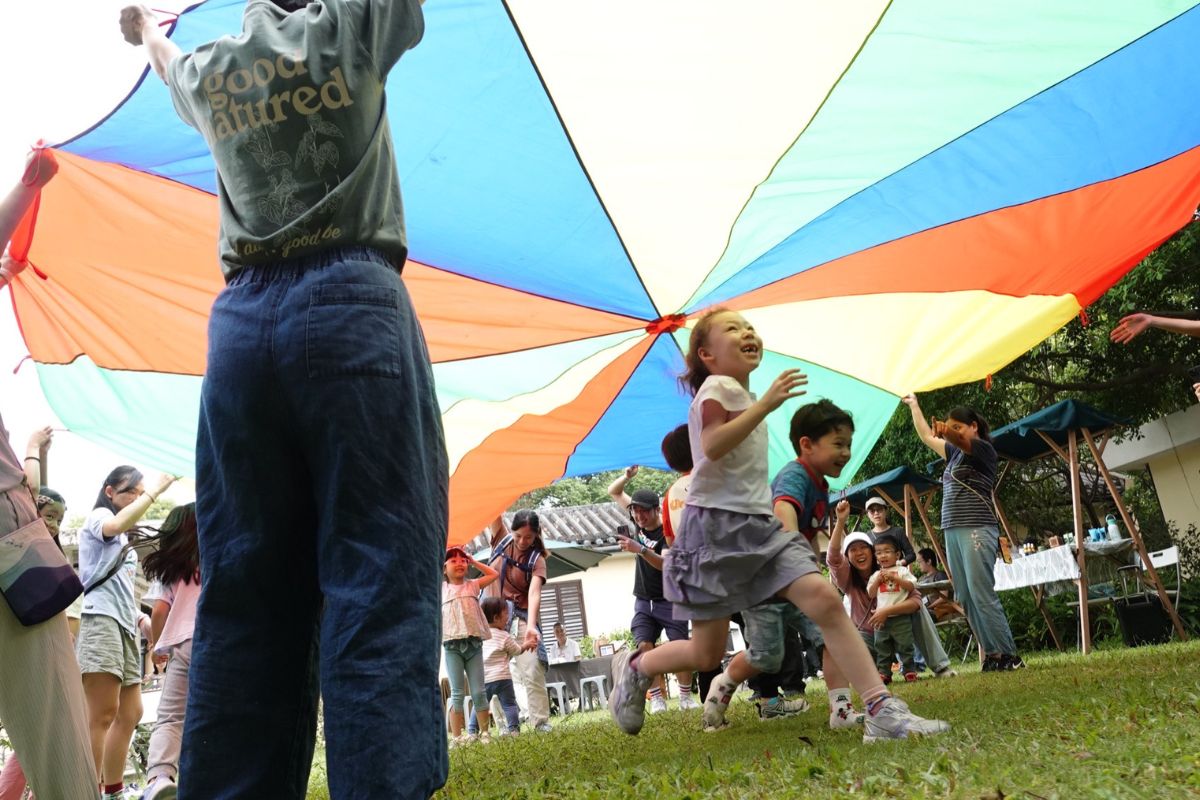
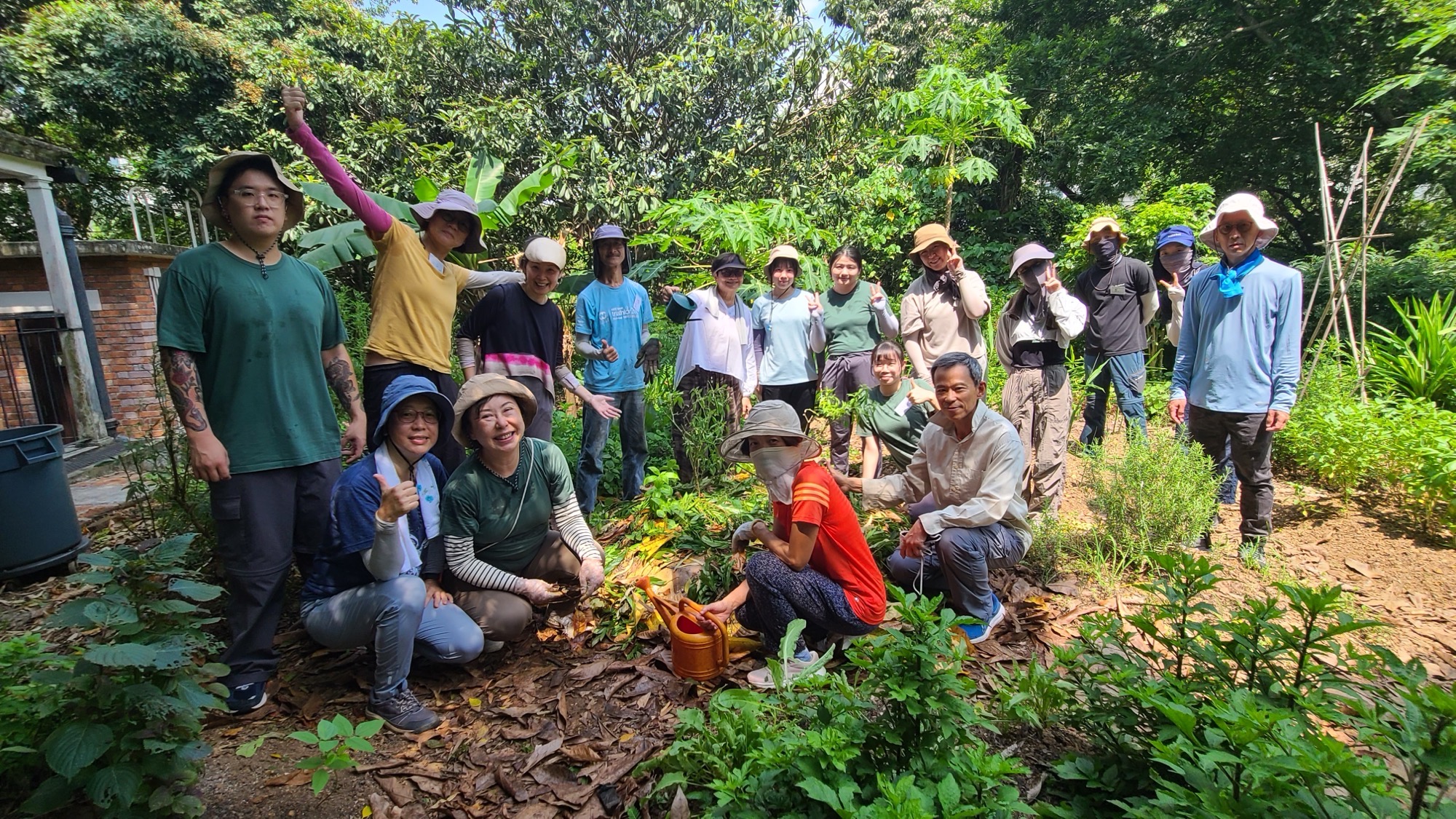
KFBG applies permaculture principles across its sustainable living programmes through an in-house team of certified designers and qualified teachers. Our food gardens at KFBG and the project to revitalise Old Tai Po Police Station — now the Green Hub — are living demonstrations of permaculture in practice.
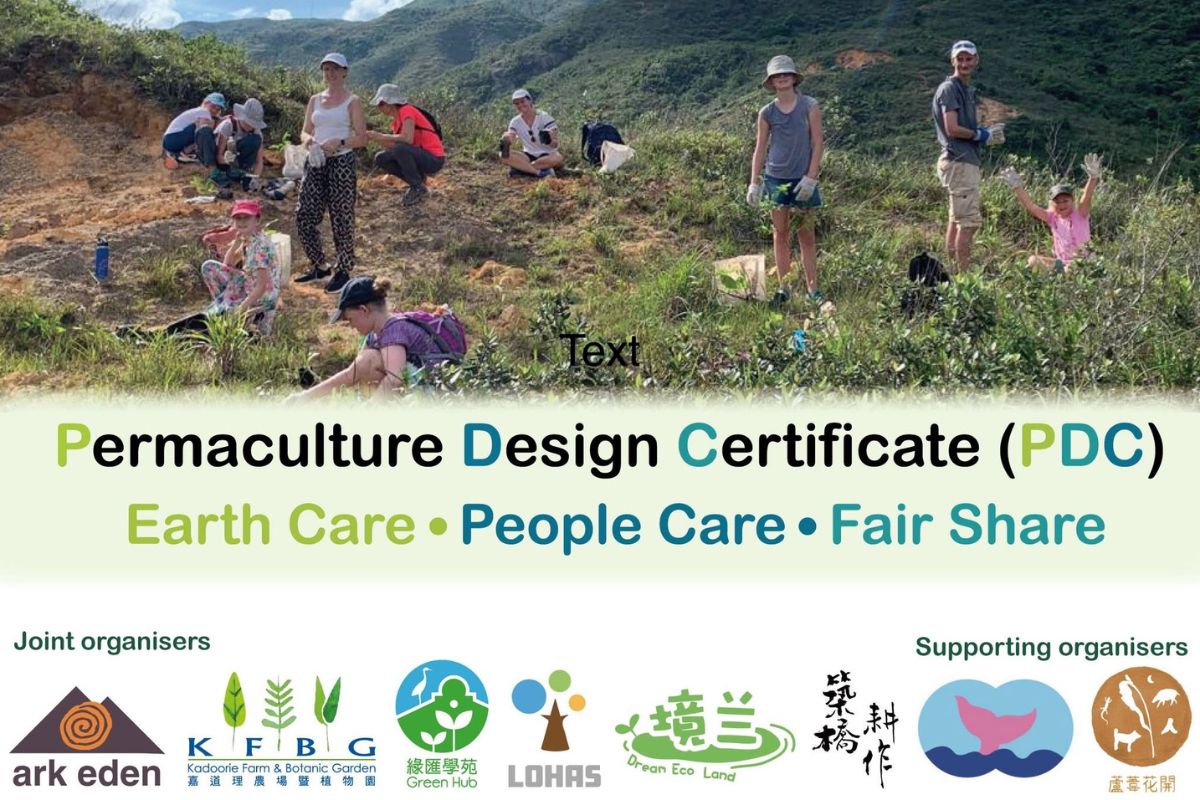
Regionally and internationally, KFBG collaborates with permaculturists to advance education and practice. Our initiatives include hosting Asia-Pacific Bioregional Permaculture Convergences, delivering in Hong Kong permaculture design certificate courses, and piloting a new, collaborative way for permaculture teaching to strengthen teaching networks and expand access to permaculture learning.
A living philosophy
In returning to its founding principles, KFBG demonstrates that sustainable living is not a checklist, but a continuous process of empowerment, connection, and care. In a rapidly changing world, it offers a hopeful path forward—one grounded in resilience, regeneration, and a deep respect for the interdependence of life.
Pathways
Explore Our Sustainable Living Journey
Select a pathway below to discover how we co-create sustainable futures, eat well, design for resilience, build community hubs, and drive community-based change.