
Eating Well for a Healthy Life and a Sustainable Future
Sustainable Living - Sustainable Living
Food is a major driver of environmental and social challenges. Globally, the food system accounts for nearly one-third of greenhouse gas emissions, uses over 70% of freshwater, and contributes to land degradation and biodiversity loss. At the same time, around one-third of all food produced is lost or wasted. In Hong Kong alone, food waste makes up about 30% of municipal waste, with 3,300 tonnes sent to landfills daily—wasting not only food, but also the resources used to produce it.
Cities also face a dual burden of food insecurity and unhealthy diets. While there are people lacking access to nutritious food, many others consume diets that contribute to obesity, chronic disease, and rising healthcare costs, with wider impacts on education and economic wellbeing.
KFBG's Eat Well Programme goes beyond nutrition education. It aims to transform "eaters" into food citizens—people equipped with the knowledge and skills to make choices that support personal health, social wellbeing, and environmental sustainability. Guided by the LOVERS Principles, the programme promotes food literacy, healthier diets, reduced food waste, and lower greenhouse gas emissions. Eating well is a fundamental step toward living sustainably and in harmony with nature.
The LOVERS Principles
The LOVERS Framework, developed by KFBG, promotes a healthy, low-carbon, and affordable diet that supports long-term harmony between people and the planet. Mindful eating choices, made collectively, can create meaningful change.
L
Local food
production
production
O
Organic
practices
practices
V
Vegetarian
plant-based
plant-based
E
Energy-wise
choices
choices
R
Refuse · Reduce
· Recover
· Recover
S
Season
awareness
awareness
Join us to learn, cook, and eat well—together creating positive change from plate to planet. Explore our Eat Well workshops and simple tips to live more healthy and sustainably.
L
Local food production
Support Local Food Production
Local food systems play a vital role in reducing carbon emissions, improving food security, strengthening community resilience, and enhancing wellbeing. Supporting local producers also reconnects people with food and place.
You can support local food by:
- Buying locally produced food and supporting businesses that source within the bioregion
- Joining KFBG's Community Supported Agriculture (CSA) scheme or visiting local farmers' markets
- Supporting urban farming and farmland preservation initiatives
The Green Hub co-op shops and KFBG Central Farmers Market are examples of alternative economic models to facilitate mutual support between local producers and consumers. Click here for more information.

O
Organic practices
Embrace Organic Practices
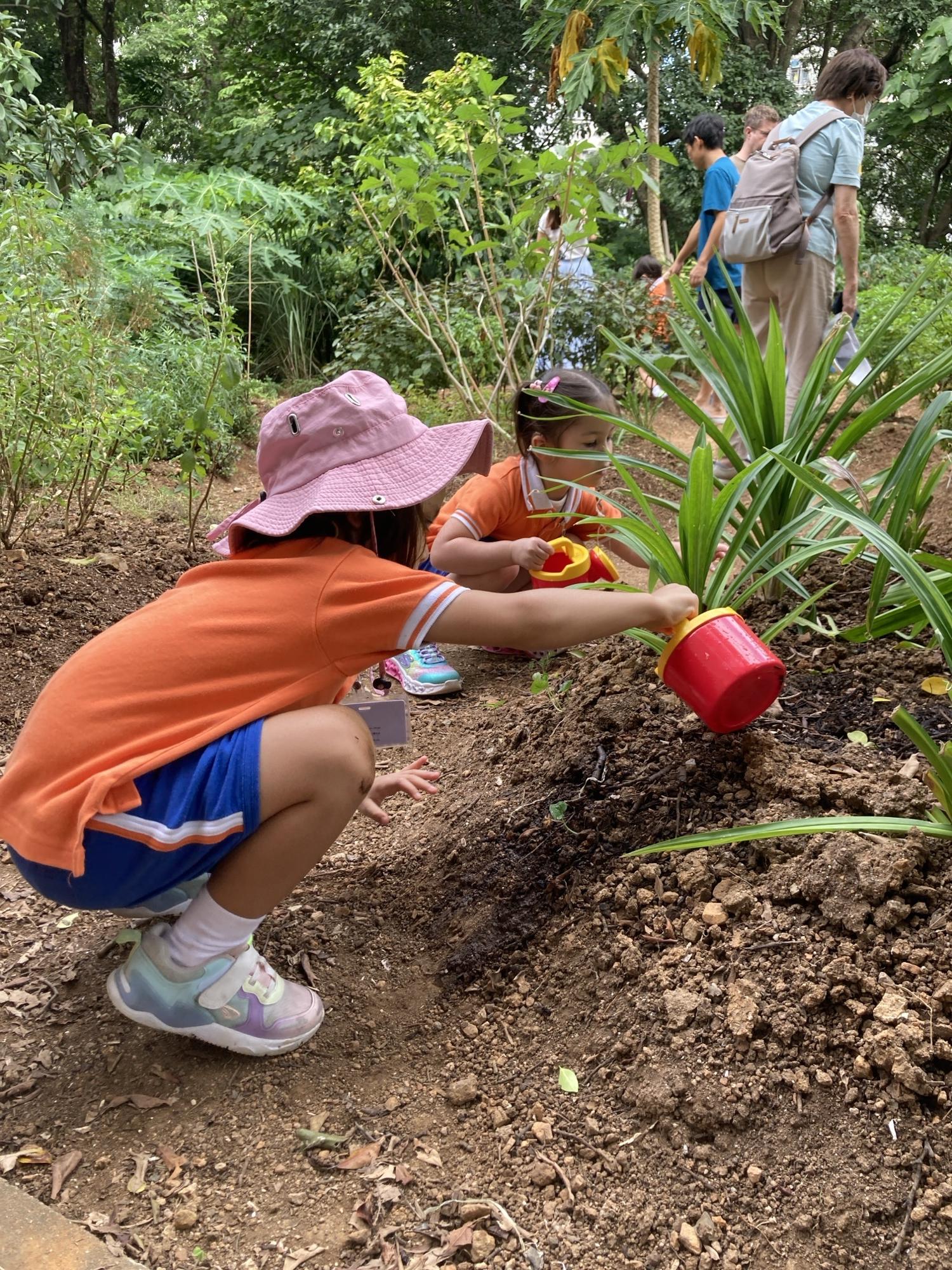
Organic farming supports soil health, biodiversity, animal welfare, and human wellbeing. By choosing organic and sustainable farming methods, we strengthen the connection between personal health and planetary health.
You can support organic practices by:
- Purchasing organic products
- Learning about sustainable farming at KFBG
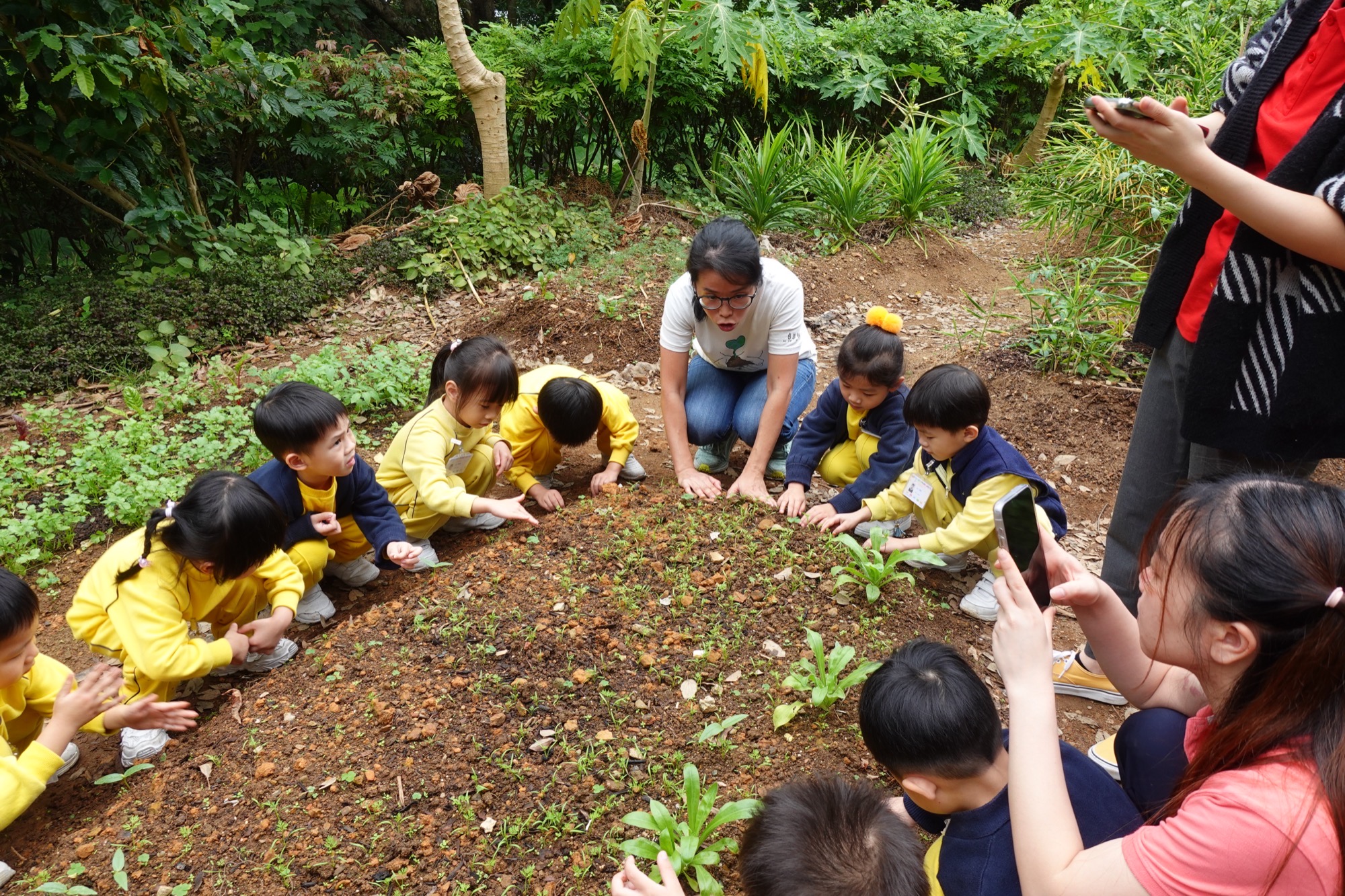
- Practising organic methods at home and in the community
- Supporting composting and volunteering at local farms
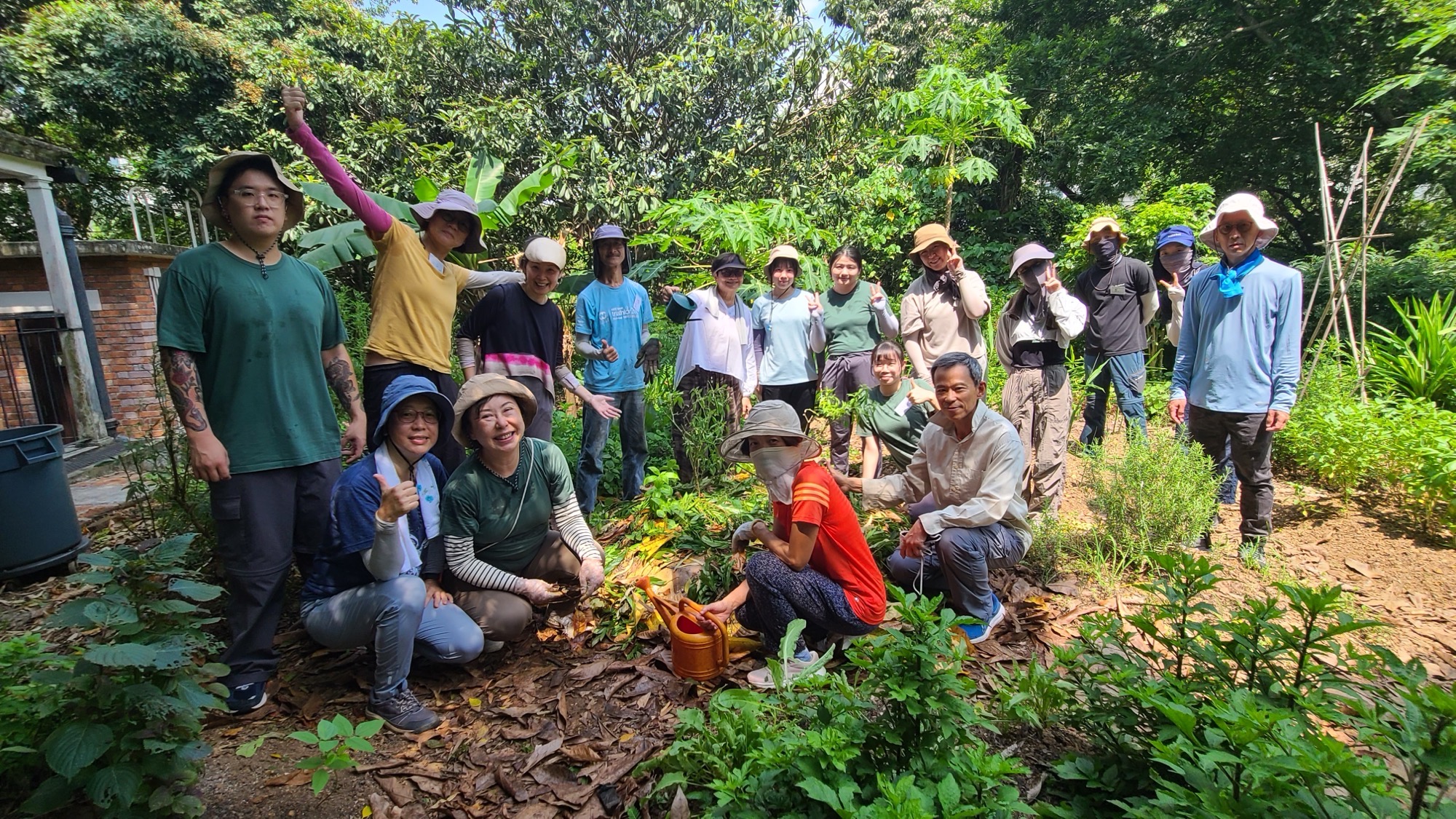
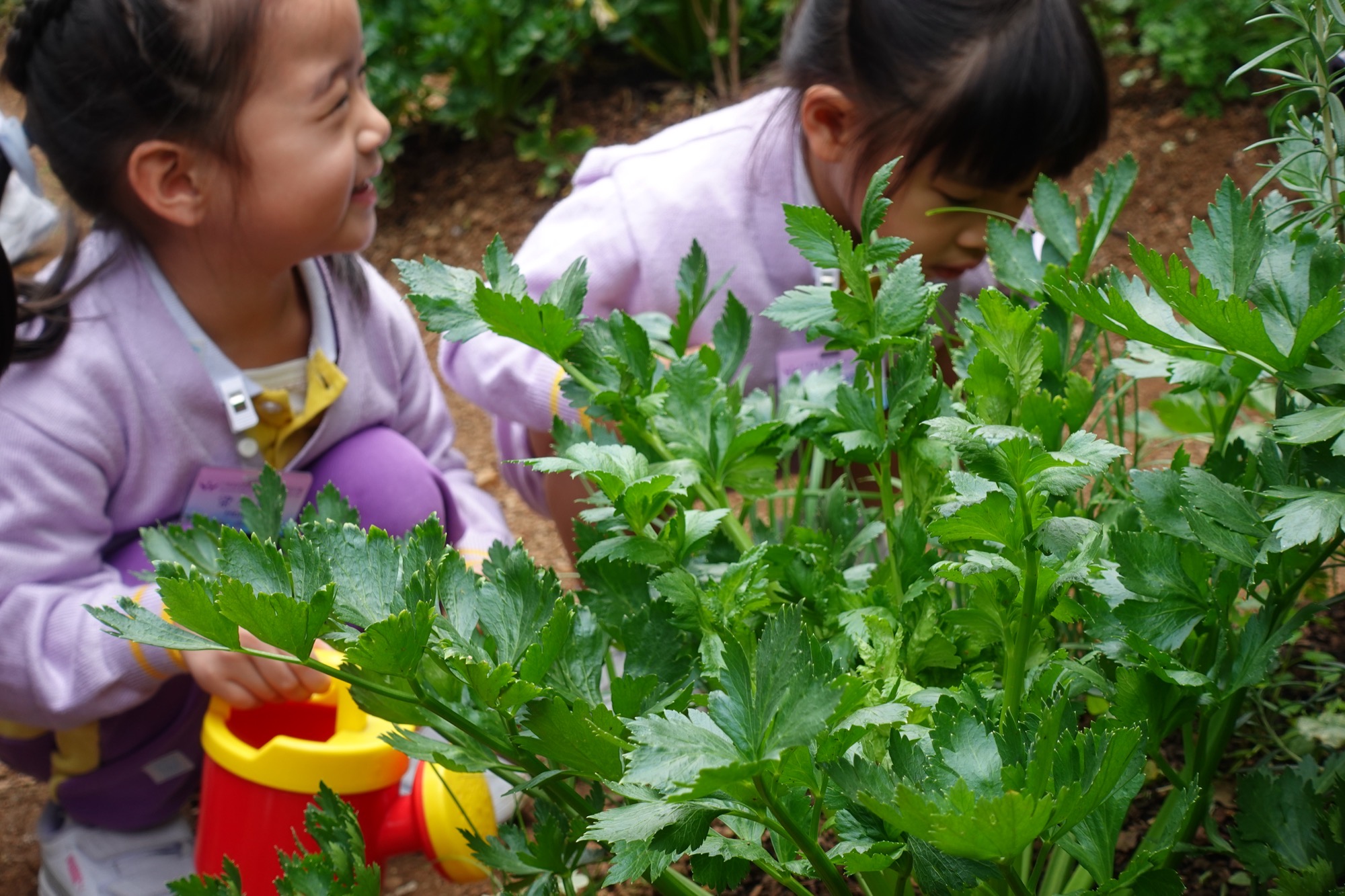
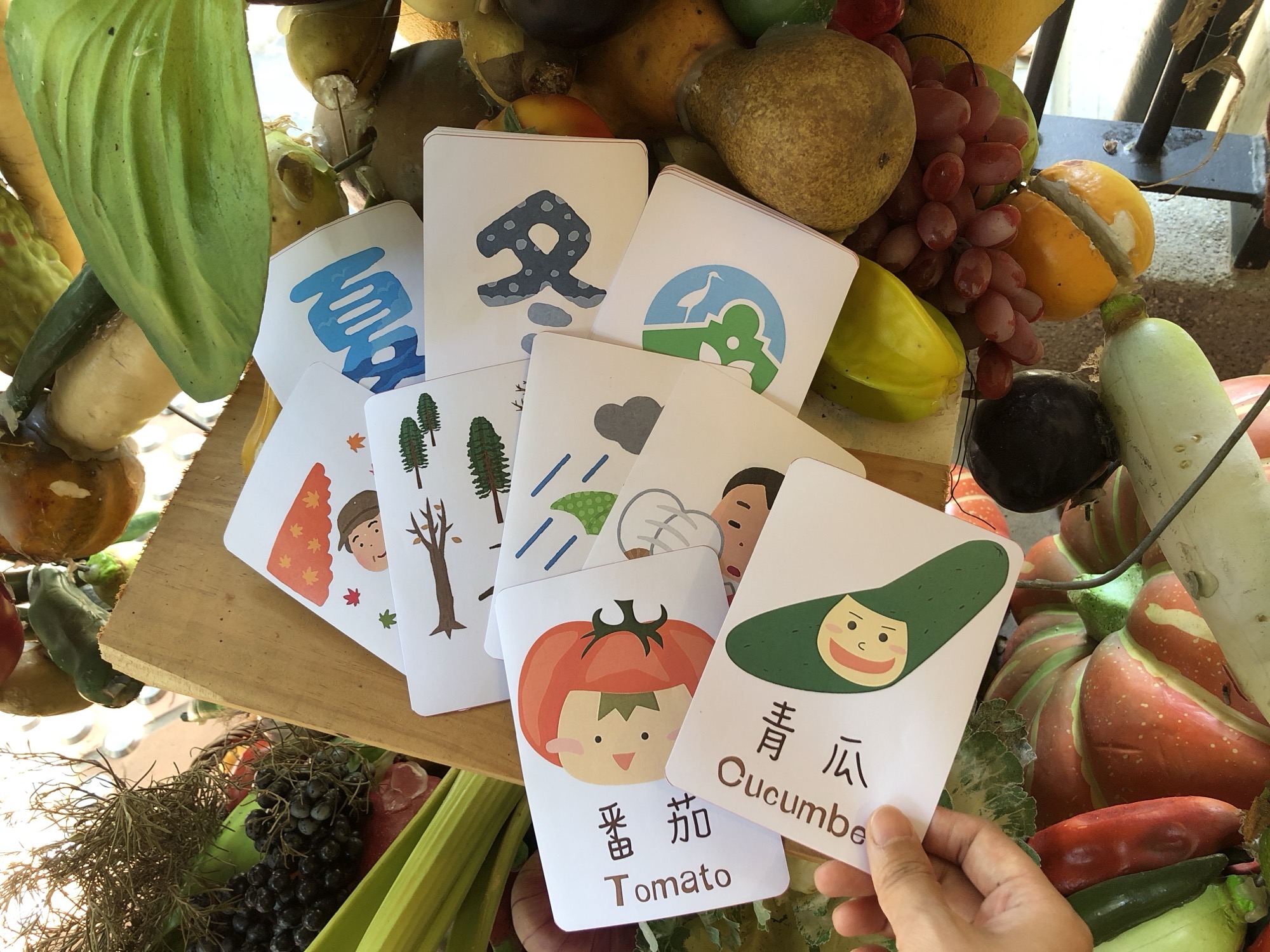
At the Green Hub, herbs and vegetables from the Kitchen Garden are used directly in the Eat Well Canteen—travelling just metres from field to plate. Even in dense urban settings, you can grow some of your own food. Click here to learn more about our mini-farming workshops.
V
Vegetarian, plant-based diet
Choose a Plant-Based Diet
Meat production—especially beef and lamb—is a major contributor to climate change. Plant-based diets typically have far lower carbon footprints and use less land, water, and energy, while also reducing the risk of chronic disease.
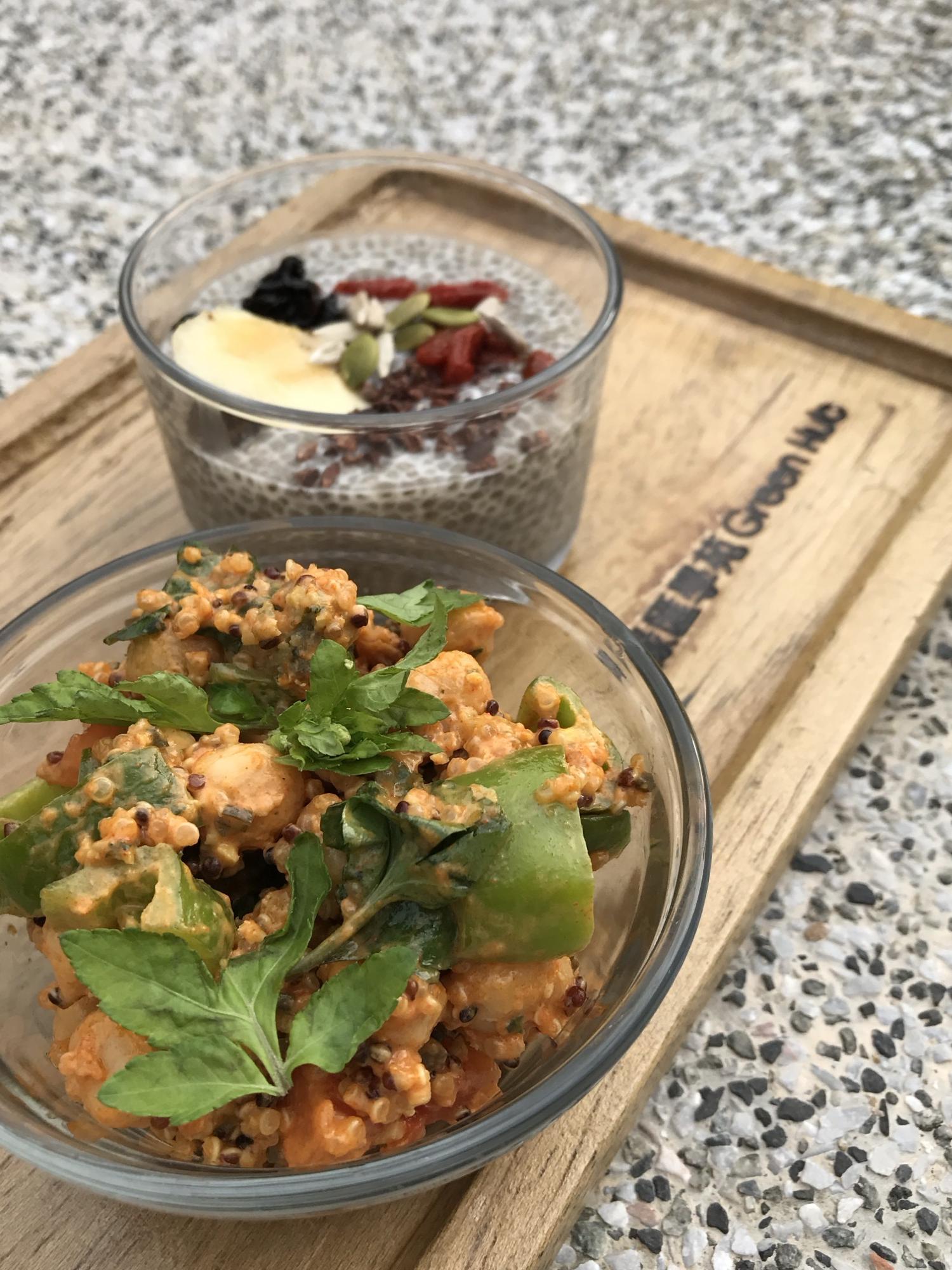
KFBG's Eat Well Canteen, Eat Well Café, and Food Hub serve exclusively vegan, plant-based food to minimise the environmental impact of meals. Plant-based eating can be nutritious, affordable, flavourful, and enjoyable, and does not require sacrificing variety or taste.
Start small, stay curious, and explore plant-based food at: Eat Well Canteen, Eat Well Café, and Food Hub.
E
Energy-wise choices
Be Energy-Wise from Field to Table
Food consumption is the largest contributor to Hong Kong's ecological footprint. Shifting toward plant-rich, local, and seasonal food helps reduce transport, storage, and cooking energy.
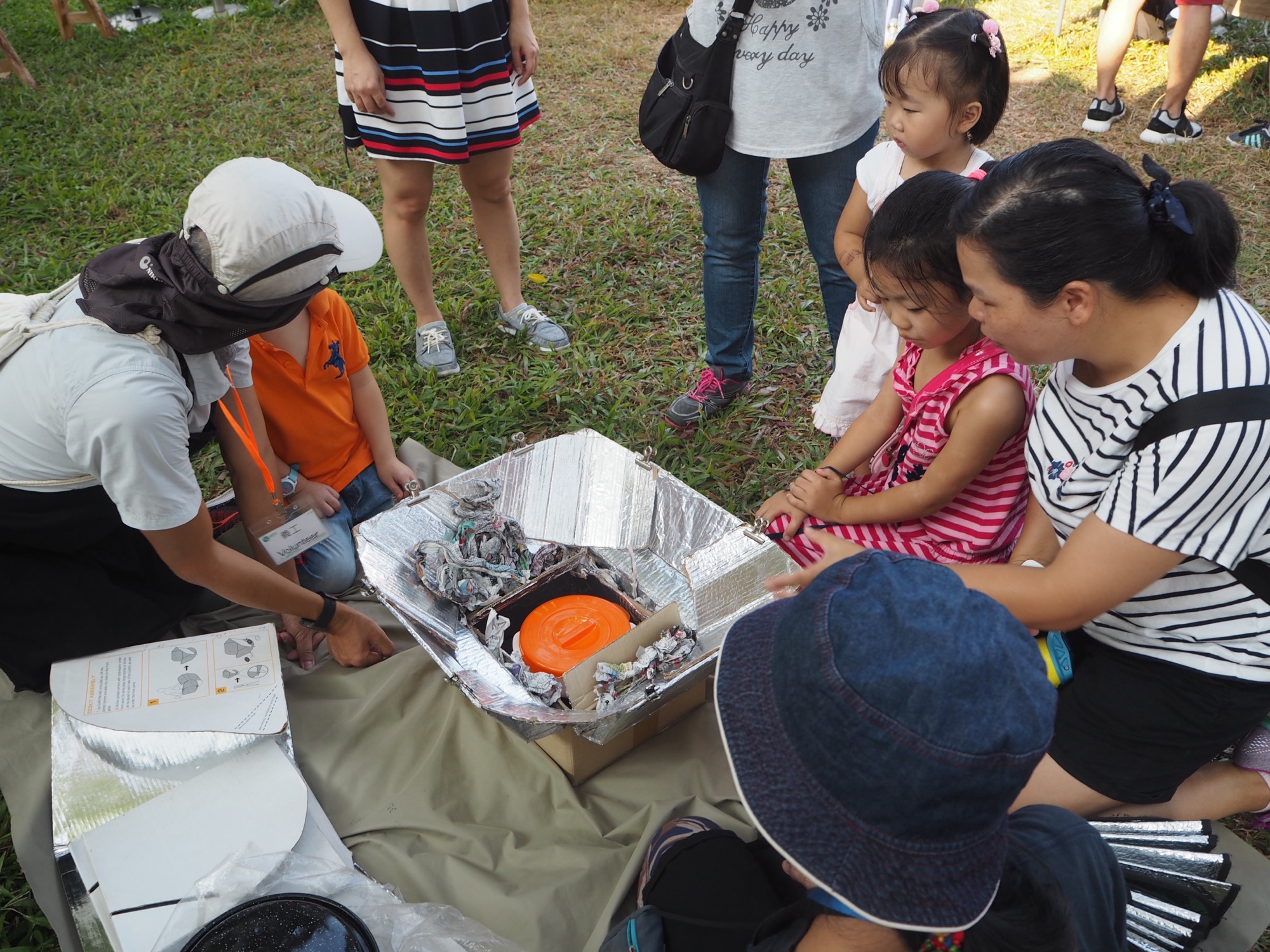
There are more energy-wise actions applicable at home-scale, which include:
- Using energy-efficient cooking tools and techniques
- Avoiding highly processed and heavily packaged foods
- Planning meals to reduce food waste
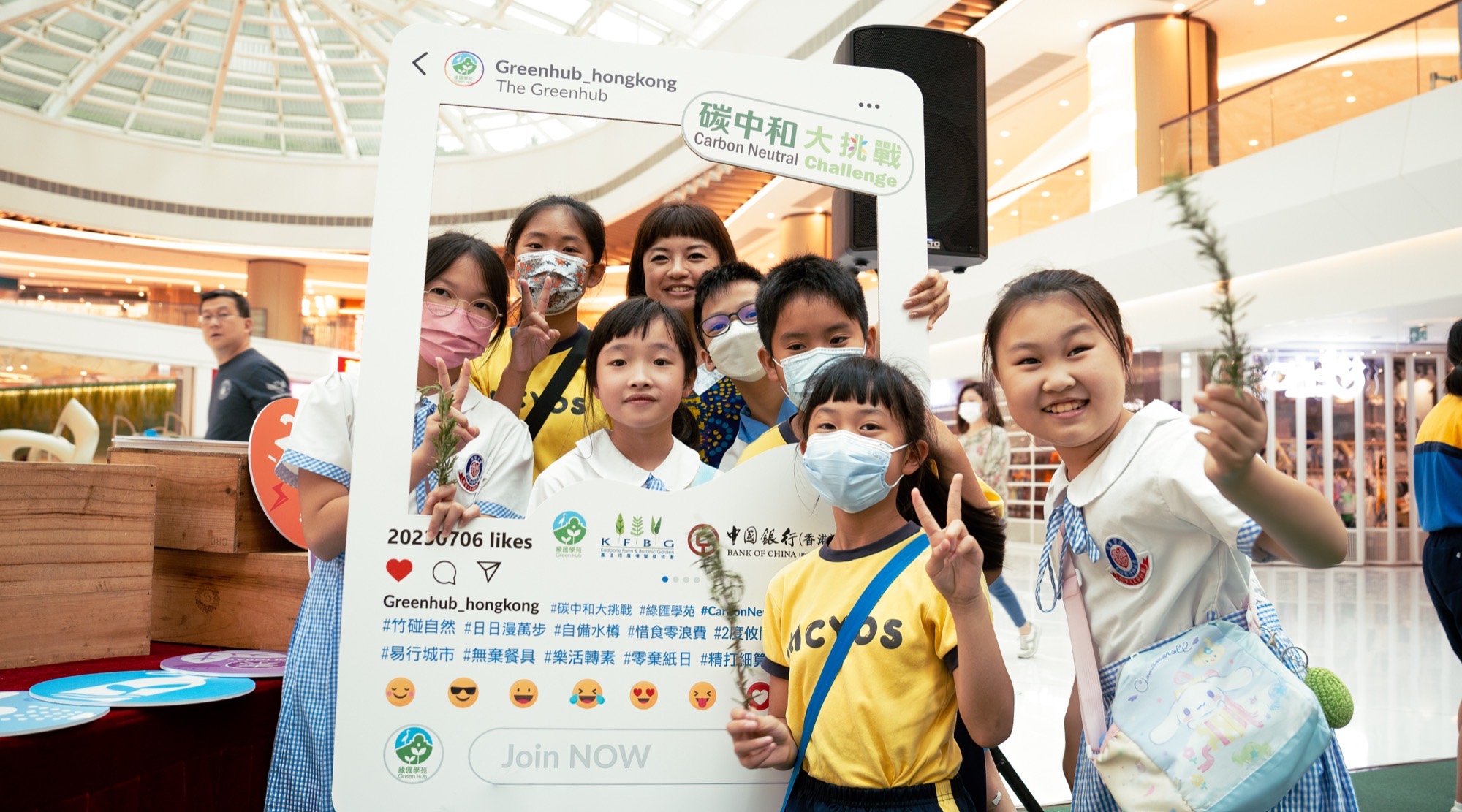
Click here to learn more about KFBG's Carbon Neutral Challenges for more low-carbon living tips.
R
Refuse · Reduce · Recover
Practise Refuse, Reduce, Recover
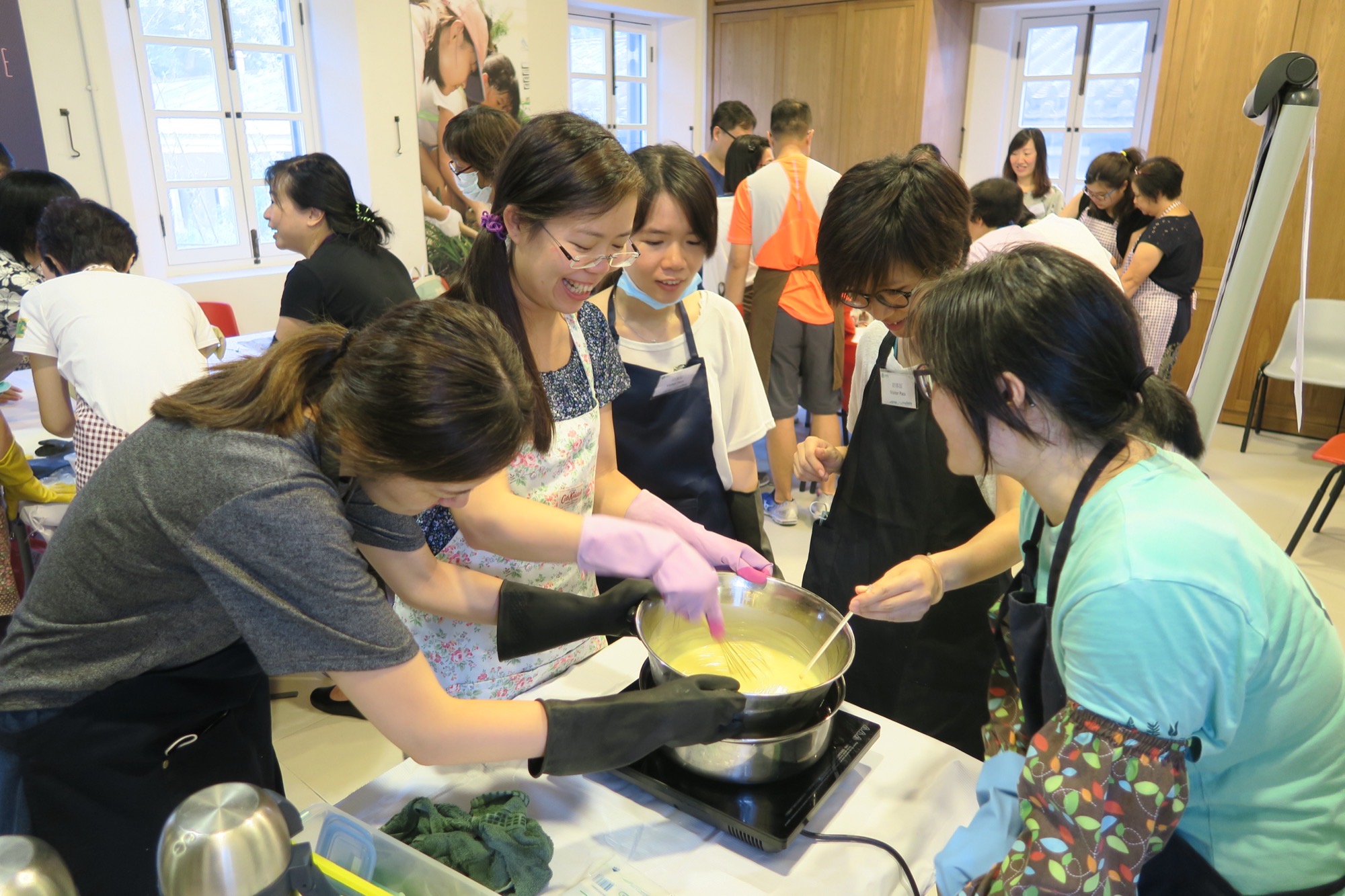
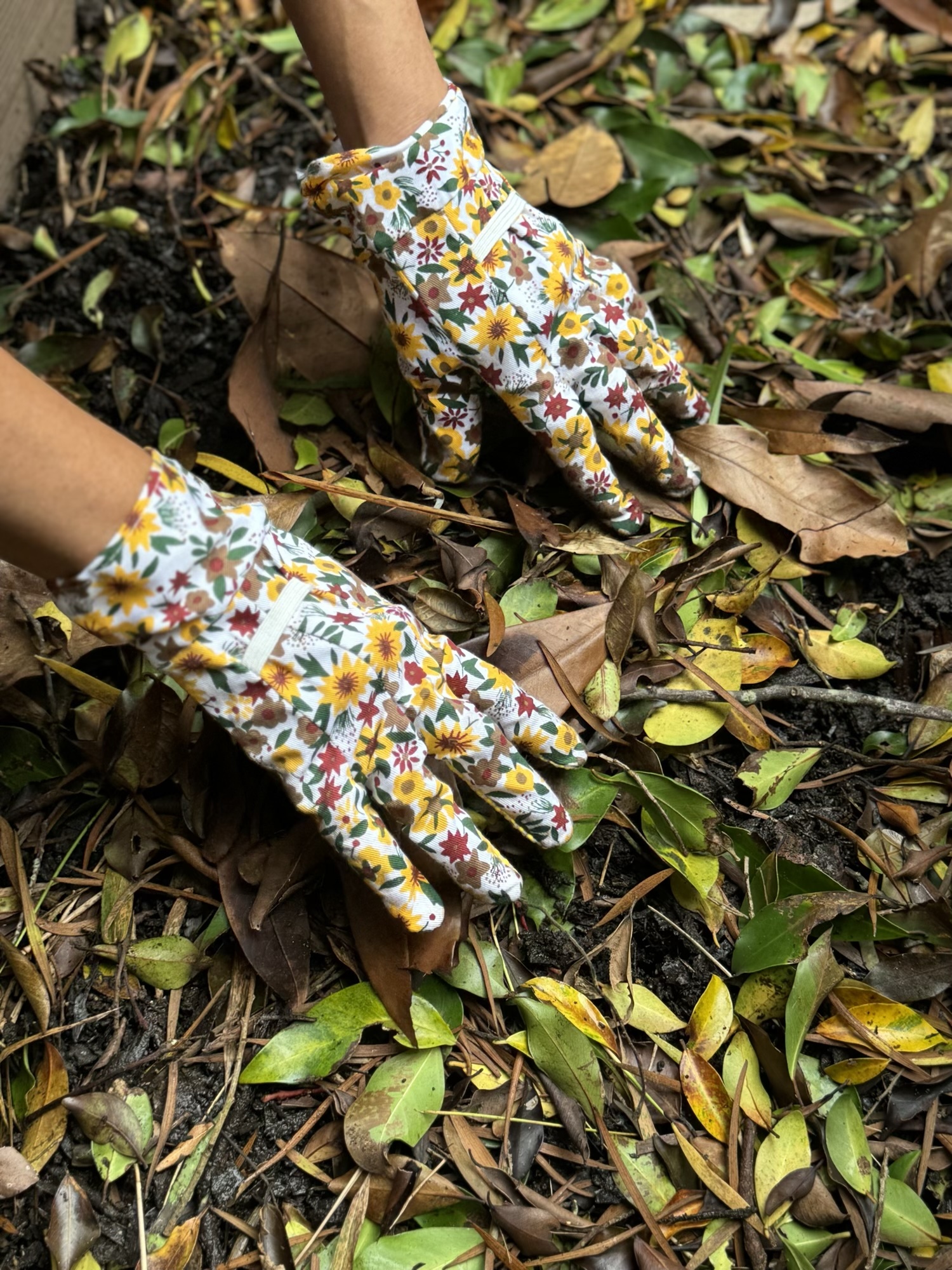
At KFBG's food premises, careful planning, creative cooking, and preservation methods (such as fermentation and dehydration) help minimise food waste. Leftovers are composted to nourish food gardens.
The Eat Well Canteen has received the Gold Award of Hong Kong Environmental Excellence and demonstrates practices that can be adopted in home kitchens as well.
"Waste is a resource in the wrong place." Both KFBG Green Hub and KFBG demonstrate sustainable management in programme design and daily operation to assure resource recovery to lower our ecological footprint. Click here for more information for community recycle stations in Hong Kong.
S
Season awareness
Cultivate Season-Awareness
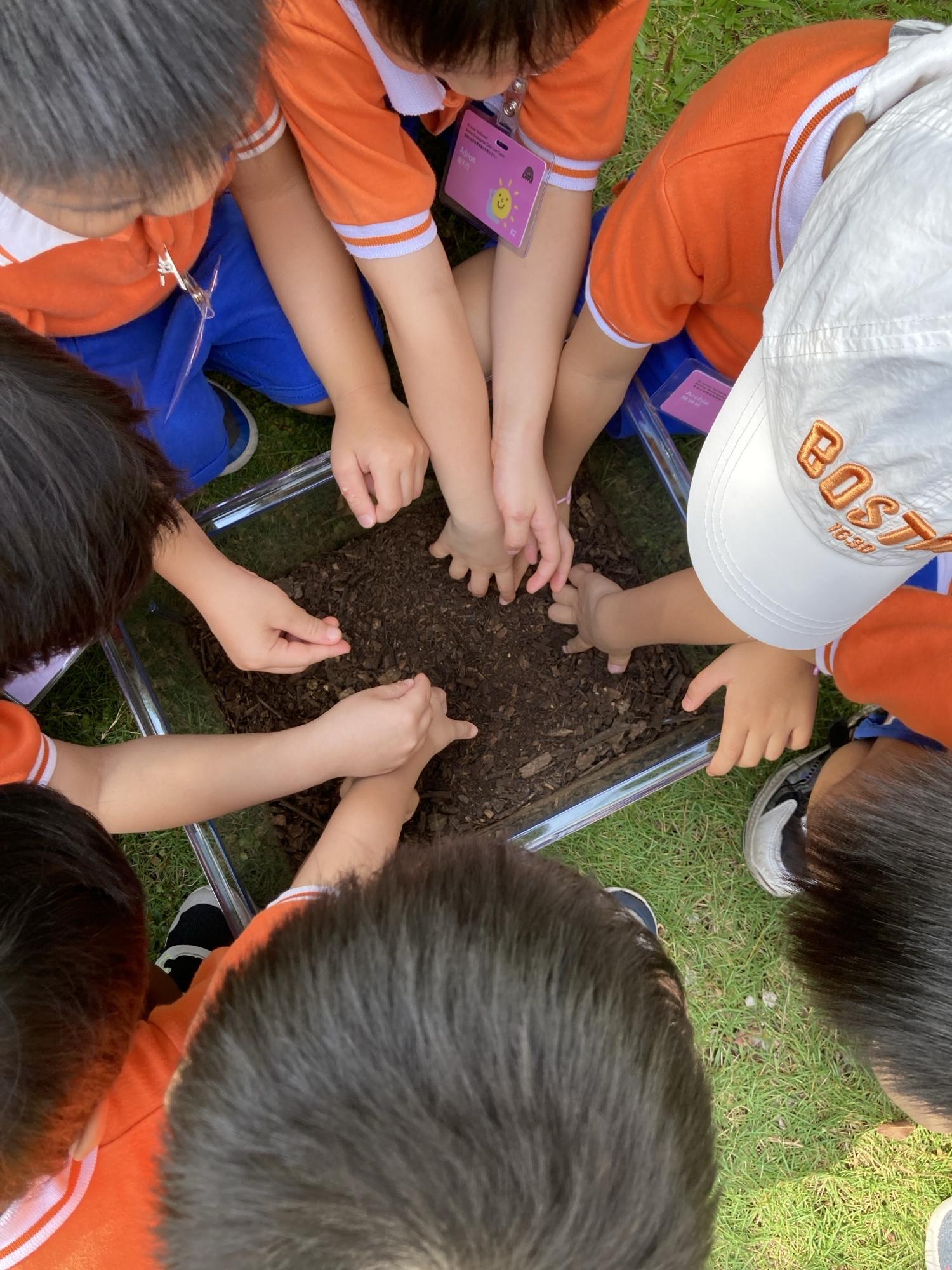
Eating seasonal food reduces reliance on fossil fuels for transport, storage, and processing. Seasonal eating is also rooted in traditional wisdom such as Traditional Chinese Medicine and Ayurveda, aligning diets with nature's rhythms to support health and vitality.
The food gardens at KFBG and KFBG Green Hub offer hands-on opportunities to reconnect with seasonal cycles and rediscover our role within the ecosystem. Click here for visitor information.
A living philosophy
In returning to its founding principles, KFBG demonstrates that sustainable living is not a checklist, but a continuous process of empowerment, connection, and care. In a rapidly changing world, it offers a hopeful path forward—one grounded in resilience, regeneration, and a deep respect for the interdependence of life.
Pathways
Explore Our Sustainable Living Journey
Select a pathway below to discover how we co-create sustainable futures, eat well, design for resilience, build community hubs, and drive community-based change.