
Issue 1 - Q4 2026
News and Resources - KFBG Impact
Turning Citizen Science into Otter Conservation
Through Project O, KFBG shows how citizen science can deepen otter conservation. By linking citizen participation with professional science, the project helps build both the evidence and the awareness needed to protect otters in Hong Kong and the Greater Bay Area, yielding significant results, including the discovery of two previously unknown otter localities!
The numbers
Impact at a glance
2

new otter localities identified in Hong Kong
Plus the first comprehensive otter survey of the Greater Bay Area.[1]
1stcomprehensive otter survey of the Greater Bay Area

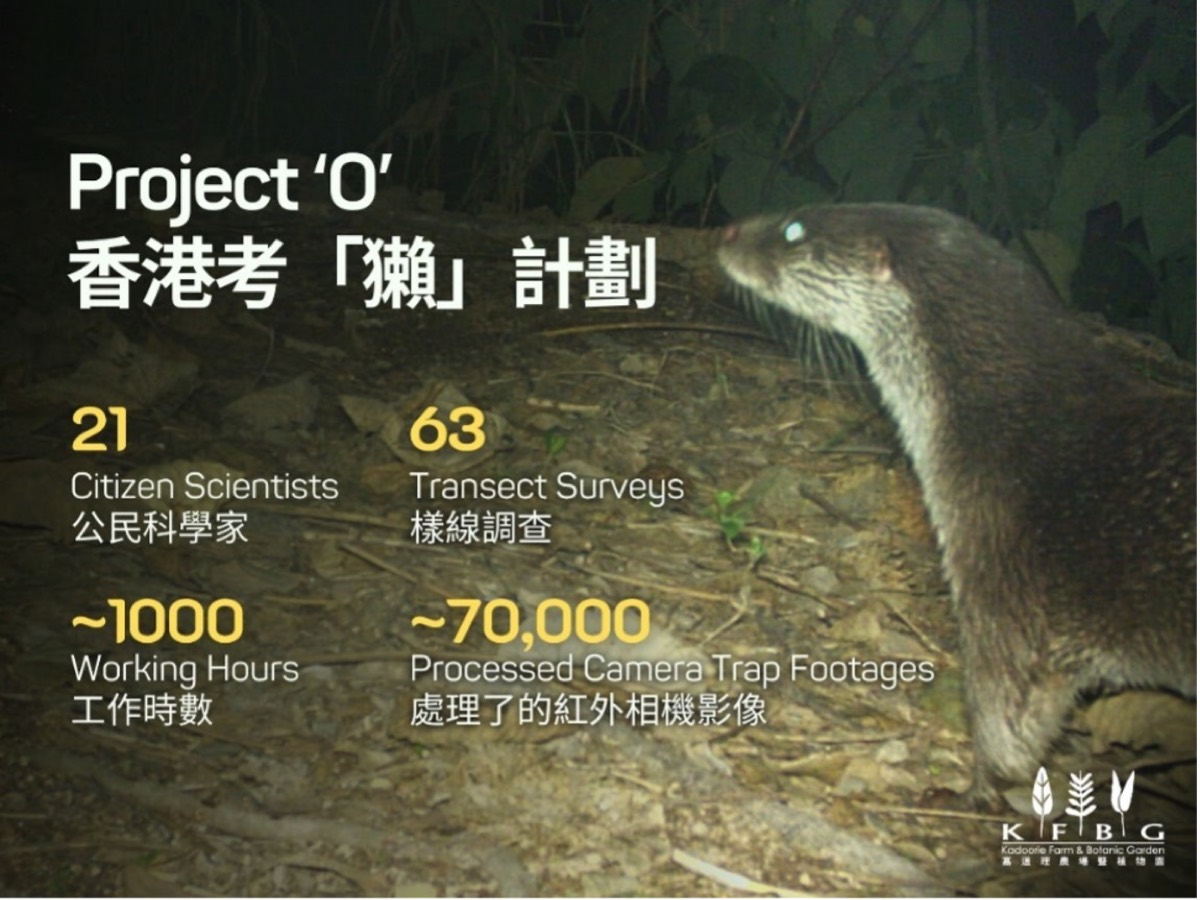
21citizen scientists involved

63transect surveys completed

~70,000camera-trap data processed

9partner organisations engaged

50wardens and staff trained

240teachers trained
6,500+participants reached

The challenge
The problem with counting otters
Protecting a species begins with knowing where it lives, how it moves and what threatens its survival.
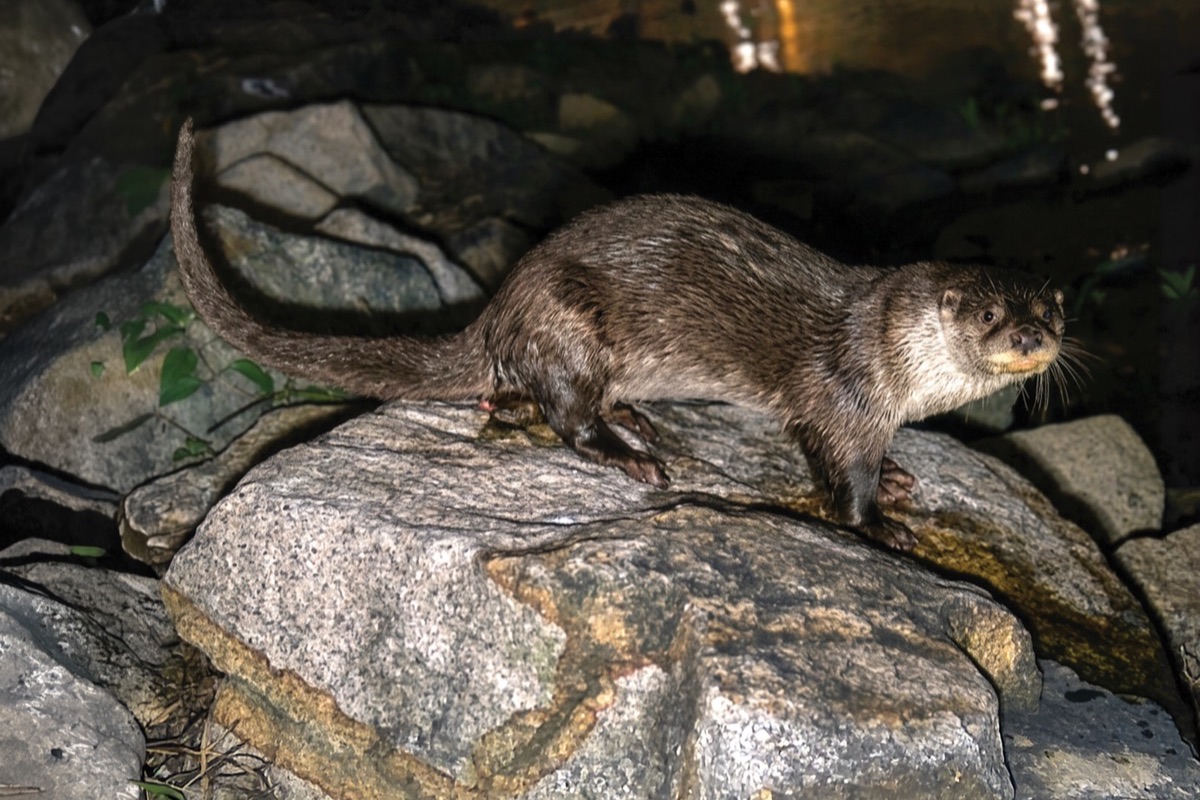
For otters, that knowledge is not easy to build. They are elusive, primarily nocturnal and rarely seen. Yet without evidence, conservation action remains constrained. The challenge is not only to care about otters, but to make them visible in the ways conservation needs.
The approach
Turning participation into evidence
This is where Project O matters.
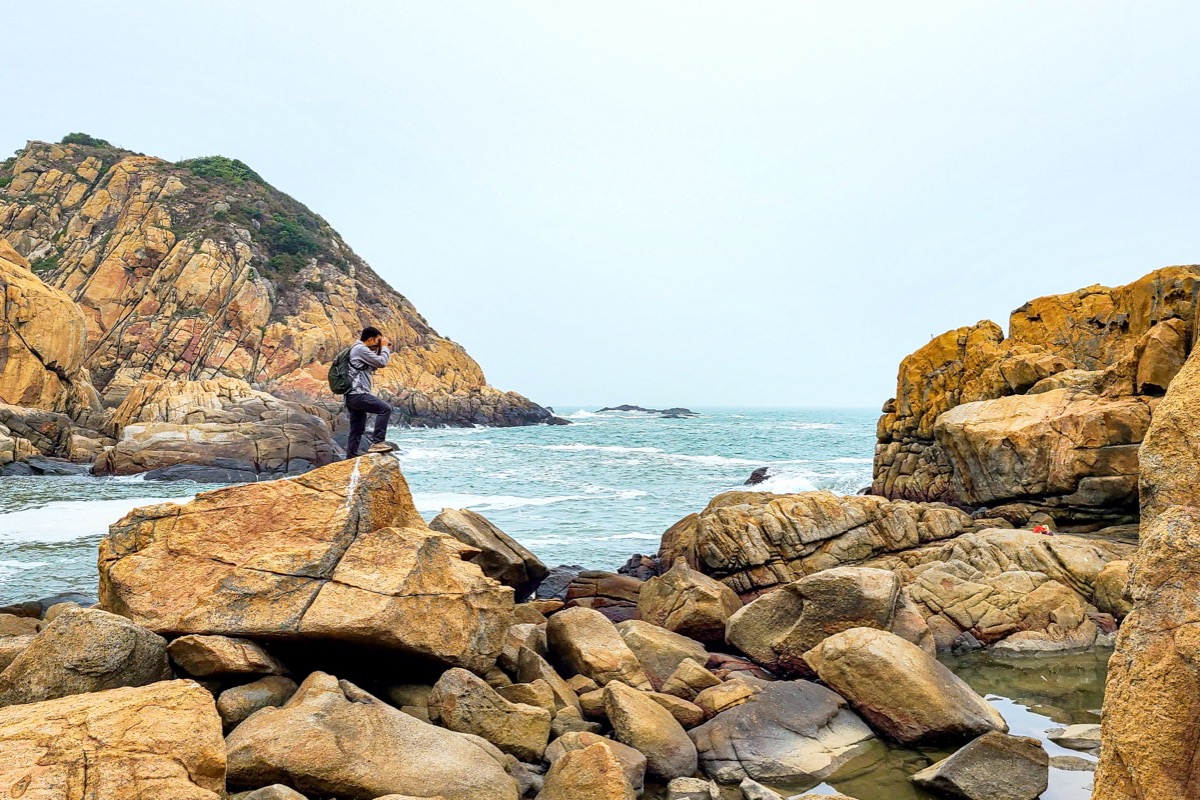
Through Project O, KFBG turns citizen science into conservation action — bringing together public participation, field surveys, infrared camera work and outreach to build a stronger evidence base for otter protection. The project shows that citizen science is not simply about engagement. At its best, it expands the reach of conservation research and helps generate knowledge that can guide better decisions.
Project O includes two complementary pathways: Explorer and Advocate. Together, they allow volunteers not only to contribute to field-based work, but also to deepen public understanding of otters and their wetlands habitats. This combination of research and outreach reflects KFBG’s wider approach: connecting science with people so that conservation can be both evidence-based and community-supported.
Results
From effort to evidence
The results are already significant. Over the one-year project period, 21 citizen scientists participated in 63 transect surveys in Hong Kong, discovering two previously unknown otter localities: Hong Kong Wetland Park and Ng Tung River. The record in Ng Tung River represents the easternmost sighting in over a decade, and it provides the first concrete evidence of otter occurrence inside an urban channel in Hong Kong.
Furthermore, citizen scientists processed around 70,000 camera-trap images, building a growing body of information about otter presence and habitat use. Beyond field monitoring, public outreach has played a vital role in inspiring action and fostering community connection. They conducted awareness-raising activities, produced Hong Kong’s first otter sighting cards, and created otter murals at Pak Nai, a very popular sunset beach where otters have been recorded. These artworks illustrate key identification signs like footprints and spraints (otter droppings). It wraps conservation science into public art, delivering an actionable message that encourages visitors to 'leave no trace' and protect the wetlands.
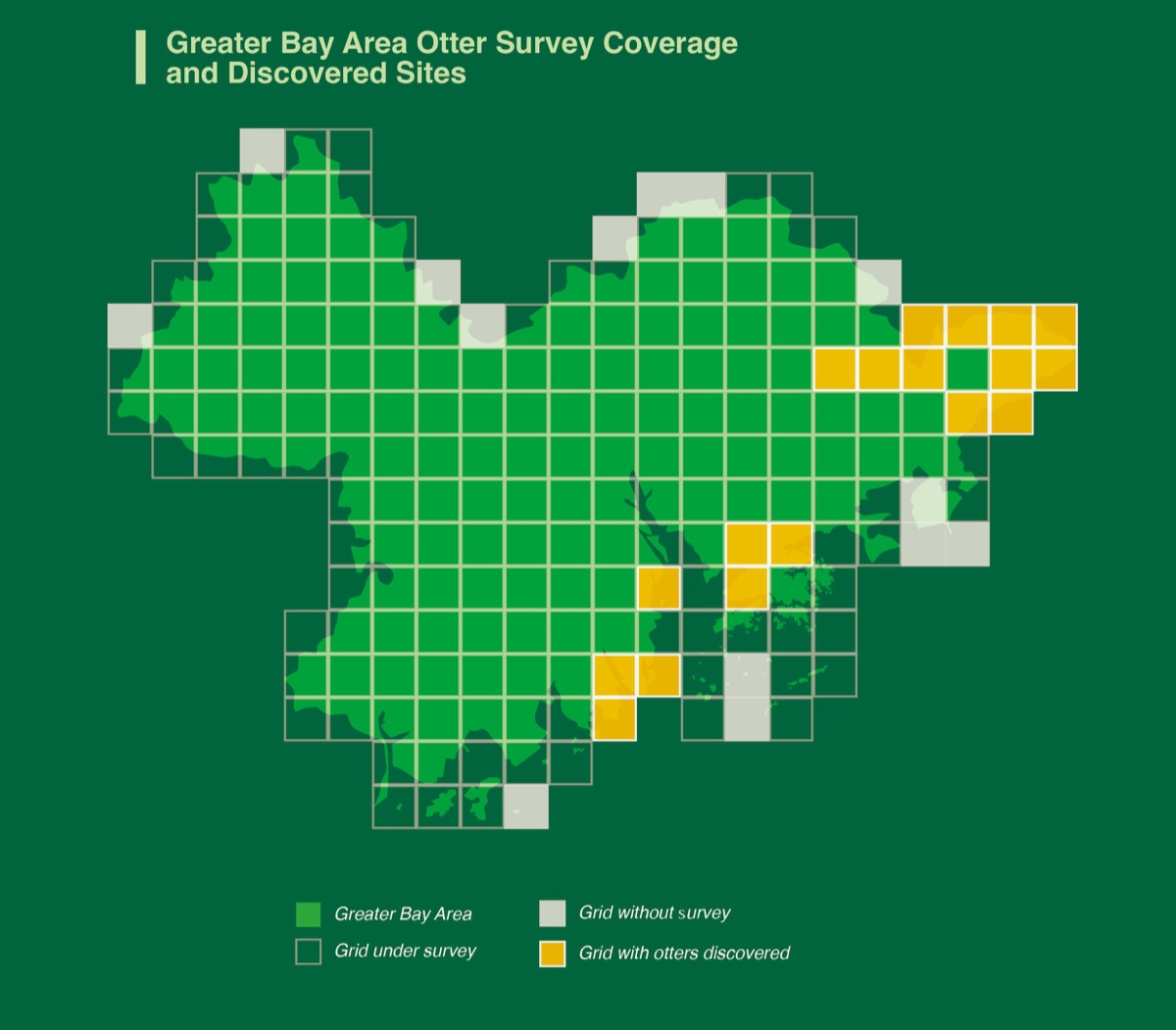
SURVEY COVERAGE
Where we have looked
Reach
Building a wider network
Leveraging supplementary support from Project O, KFBG’s otter research team extended its conservation footprint across wider Greater Bay Area (GBA). In active collaboration with nine partner organisations, the team completed the first GBA’s comprehensive otter survey, provided capacity trainings for 50 reserve wardens and staff, 240 teachers, and engaged more than 6,500 participants through outreach activities. Through these efforts, KFBG is establishing a resilient network of people equipped to recognise, value and protect otter habitats.
BEYOND ONE SPECIES
How citizen science becomes conservation
This is what makes the story bigger than one species. By channeling citizen science into otter conservation, Project O transforms curiosity into evidence, participation into stewardship, and scattered observations into a stronger foundation for wetland protection across Hong Kong and beyond.
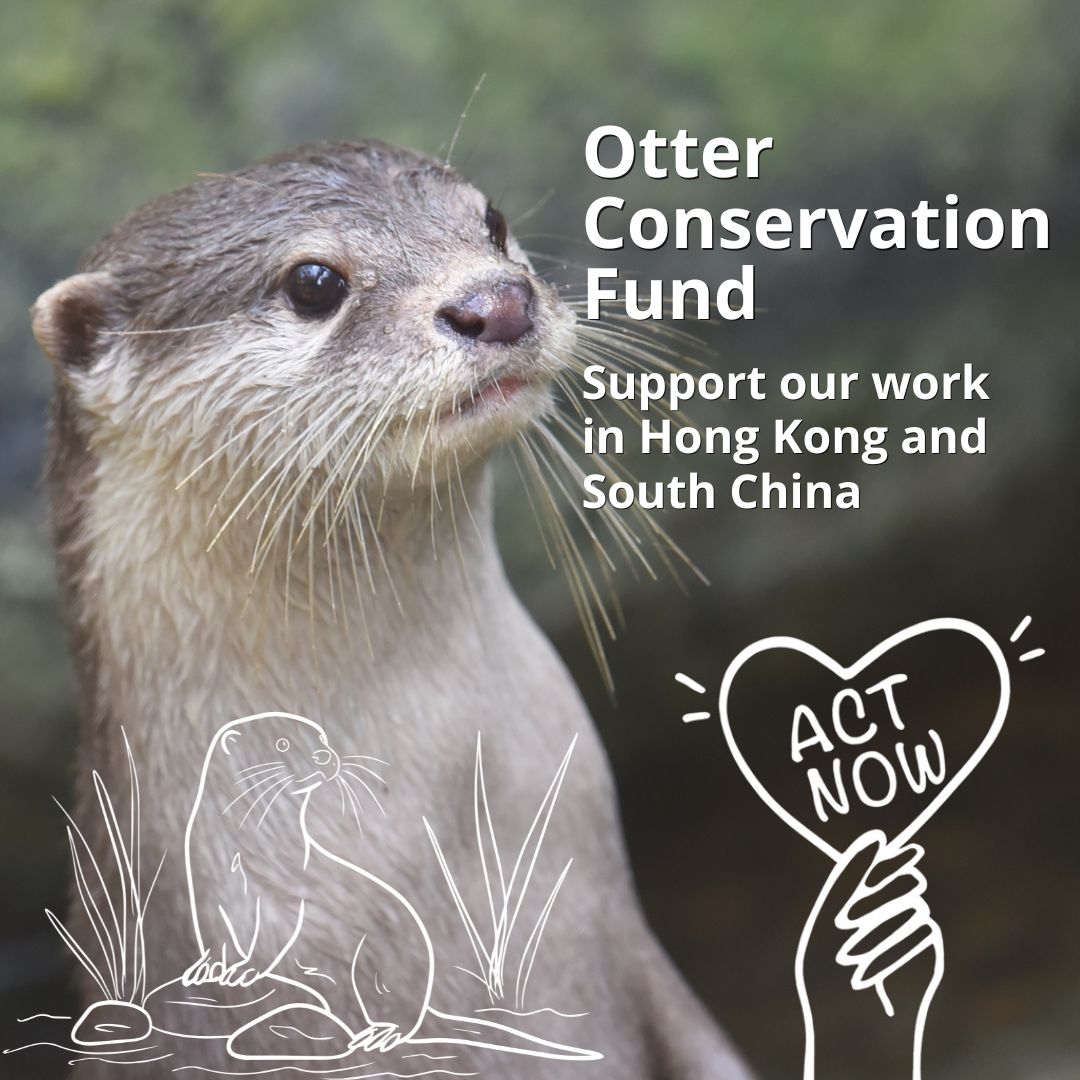
Otter Conservation Fund

Support Otter Conservation in Hong Kong and South China
Your support today helps us build a stronger foundation to protect otter populations and secure their future.
Notes
[1] Two new localities means two places where traces were found by surveys that have not covered everywhere — a measure of where we have looked as much as of where otters are. Absence in an unsurveyed cell is not evidence of absence.
Next in this issue