Issue 1 - Q4 2026
News and Resources - KFBG Impact
Restoration
Restoring a Forest, Rebuilding an Ecosystem
KFBG’s long-running forest restoration programme has transformed degraded hillside into recovering native habitats – demonstrating how science-led, long-term stewardship can rebuild ecological function – and earn global recognition in the process.
But flourishing, new native forests do not return at once; it takes dedicated effort over many years to overcome engrained barriers to recovery.
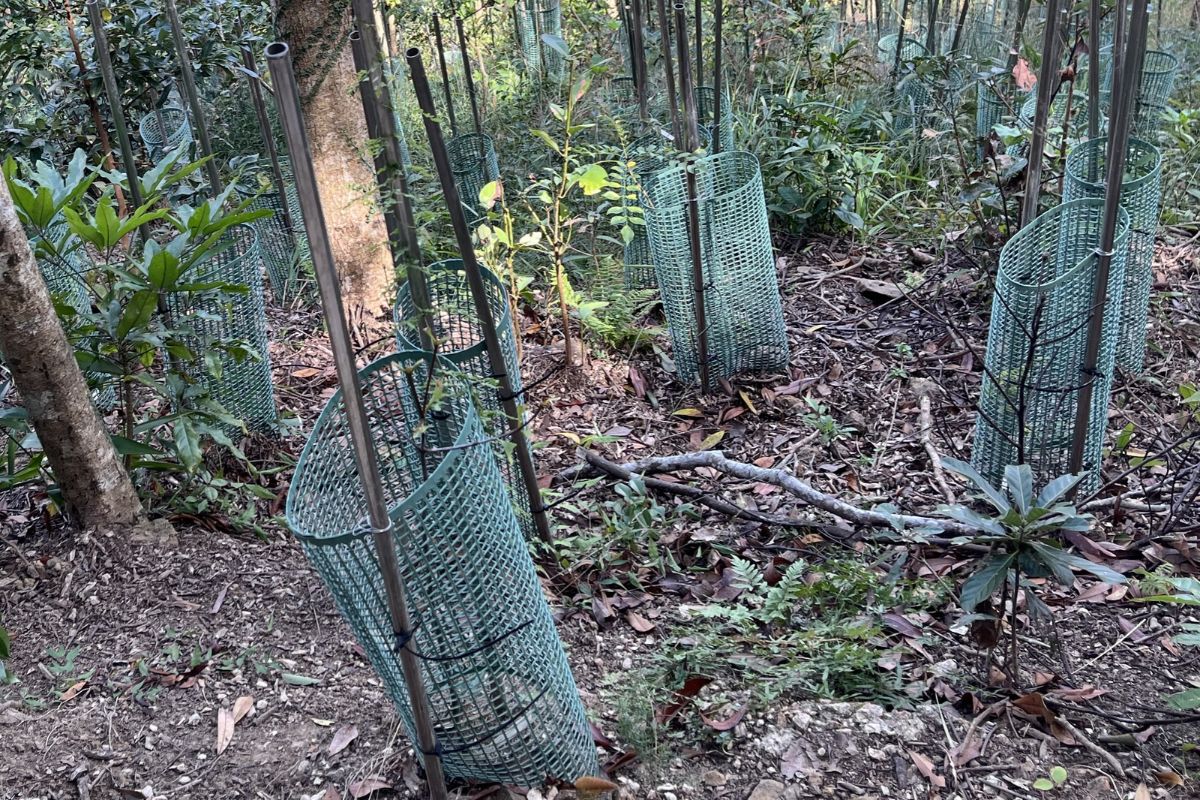
It began with a damaged landscape: eroded soils, exposed slopes, invasive species and survival of a limited number of native plants and animals, needed to support a healthy ecosystem. Recovery takes more than just planting trees. Managing this challenging landscape has taken a good deal of ecological knowledge and a long-term commitment to rebuilding the relationships between plants, wildlife, soil and water. A policy of intervention is necessary to encourage diverse plant species to take hold and in turn forming a diverse habitat for species recruitment. A helping hand just to kick-start a complex process.
The numbers
Impact at a glance
9.3

out of 10 under The Global Biodiversity Standard
The highest scores yet for any project worldwide.[1]
3,000+Over 3,000 seedlings planted in 2026 alone

~30 yrsNearly 30 years of forest restoration work

1990sRestoration trials began in the late 1990s

2010sScience-led programme developed in the early 2010s to better understand ecosystem processes

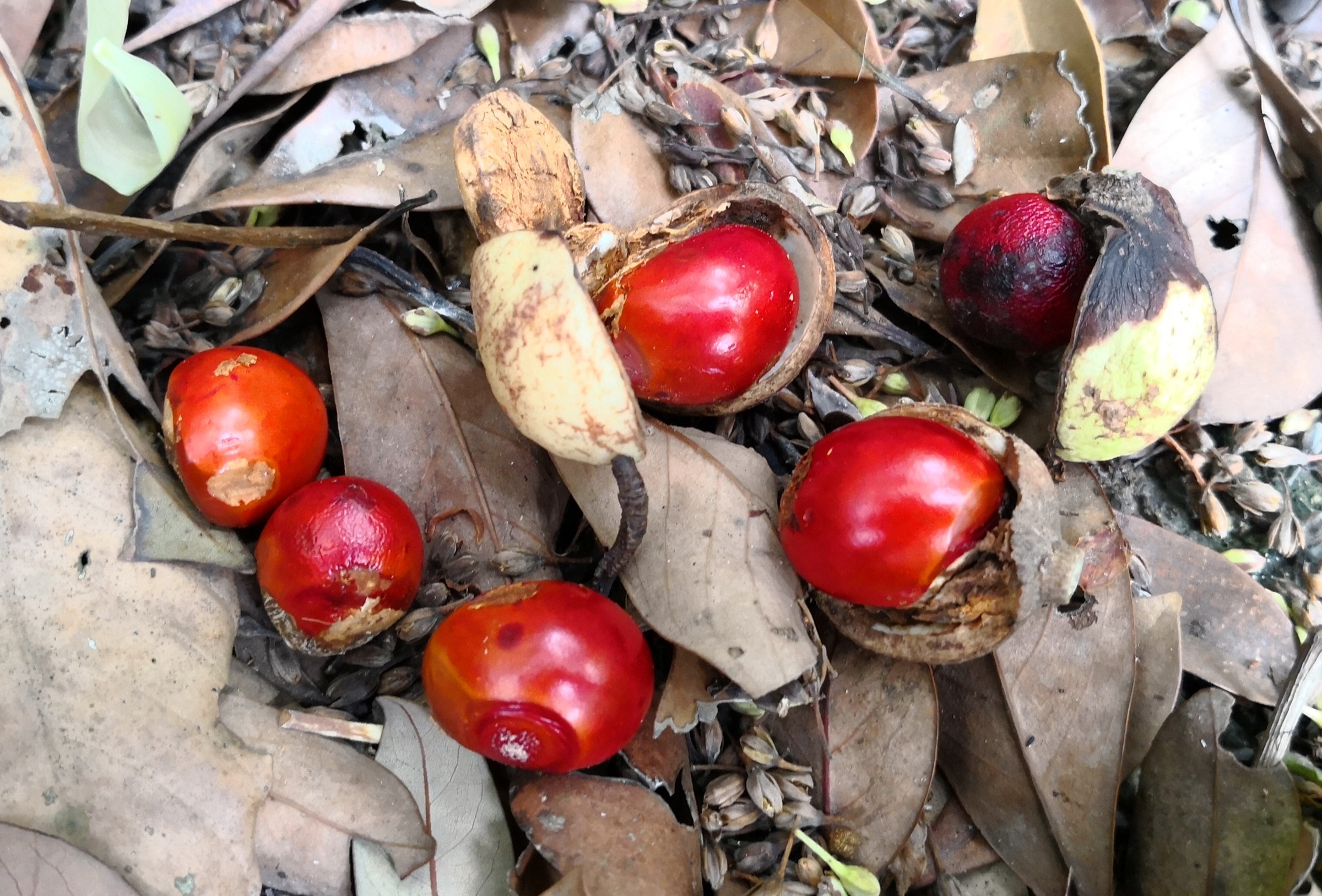
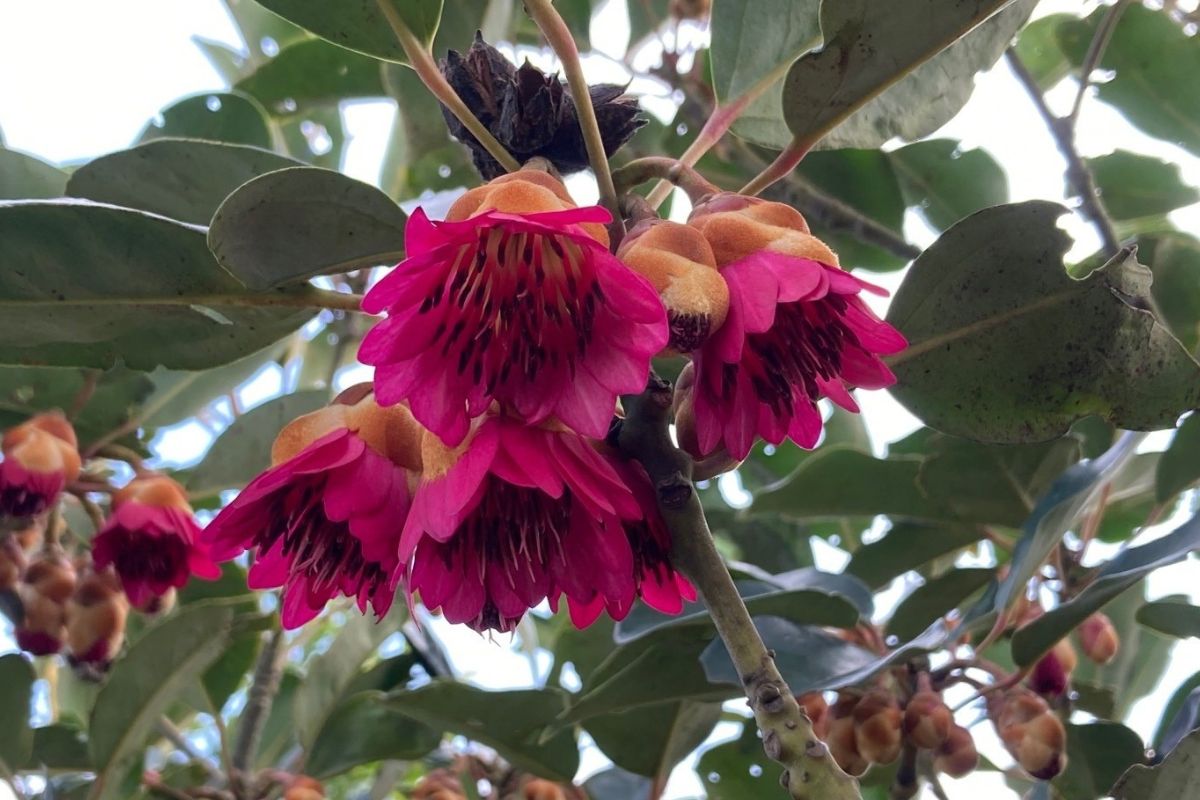
~100Almost 100 different native species belonging to over 40 botanical families included in the 2026 planting

1stWorld’s first Premium-Tier certification under The Global Biodiversity Standard (TGBS)

9.3/10Certified with a score of 9.3/10

Thirty years
From trials to a science-led programme
For thirty years, KFBG has been doing exactly this.
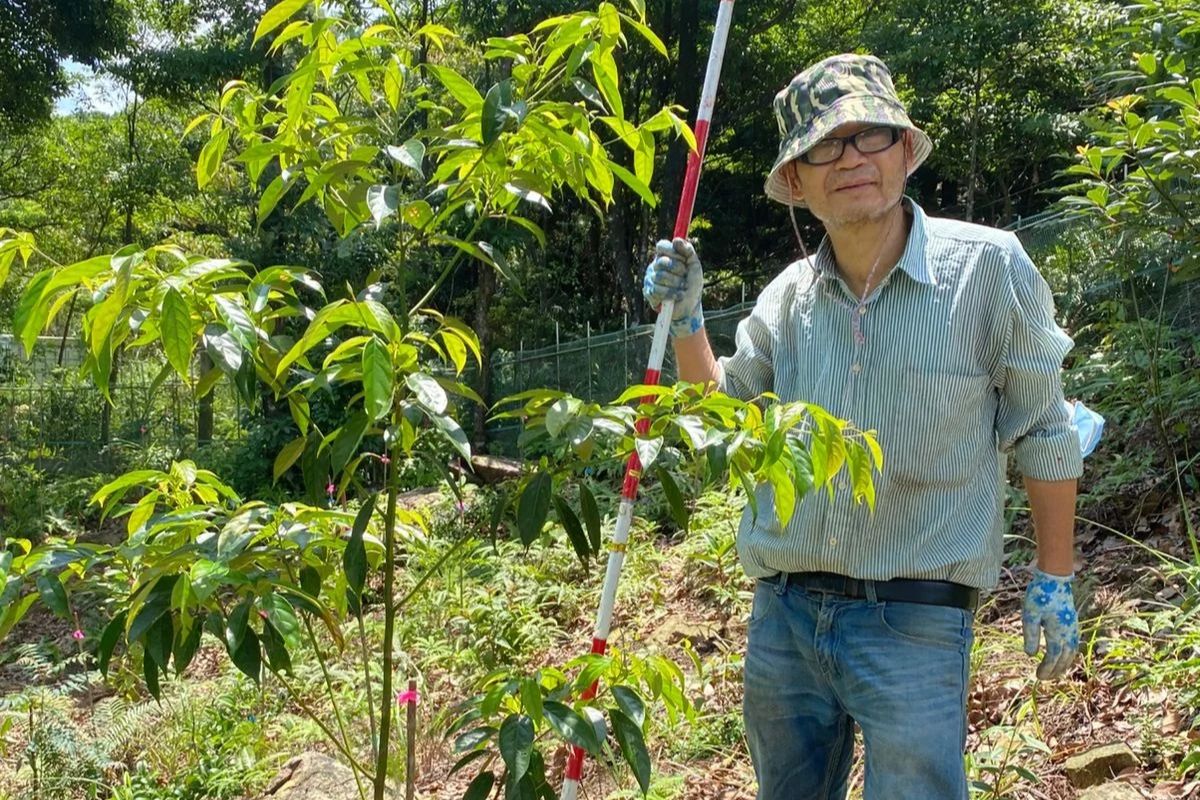
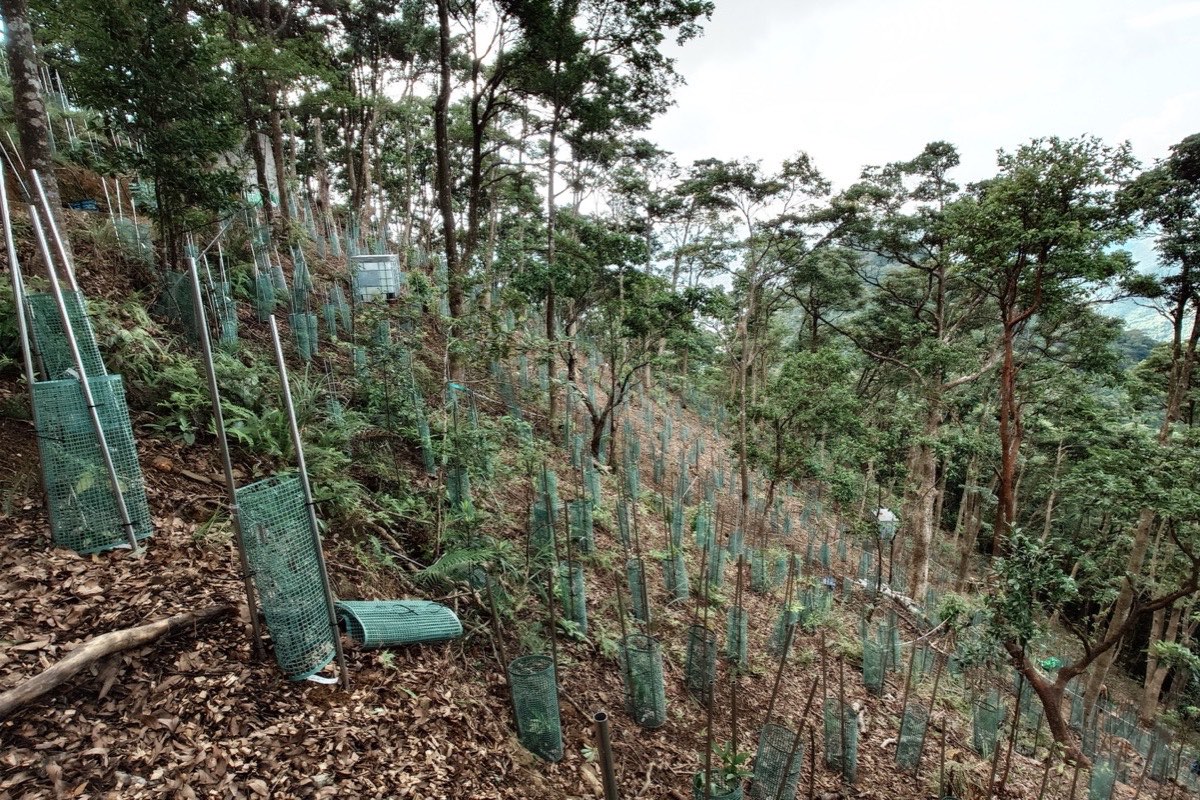
Trials of a small selection of native tree seedlings commenced in the late 1990s and this has evolved into a science-driven programme that has steadily nurtured diverse native forest made up of not just hundreds of canopy tree species, but also smaller trees, shrubs, understorey herbs, epiphytes and climbers over 400 plants species. Over time, KFBG’s work has moved beyond greening a hillside to restoring ecological function — creating the conditions for native biodiversity to return and for a damaged landscape to become more resilient.
This is what makes the achievement so significant. In 2026 alone, KFBG planted over 3,000 seedlings representing almost 100 native species as part of its restoration efforts. But the real story is not about a single year of planting. It is the ongoing, decades-worth of planning, research, monitoring, after-care and adaptive management that have shaped a living landscape over time.
Certification
Recognised as a world first
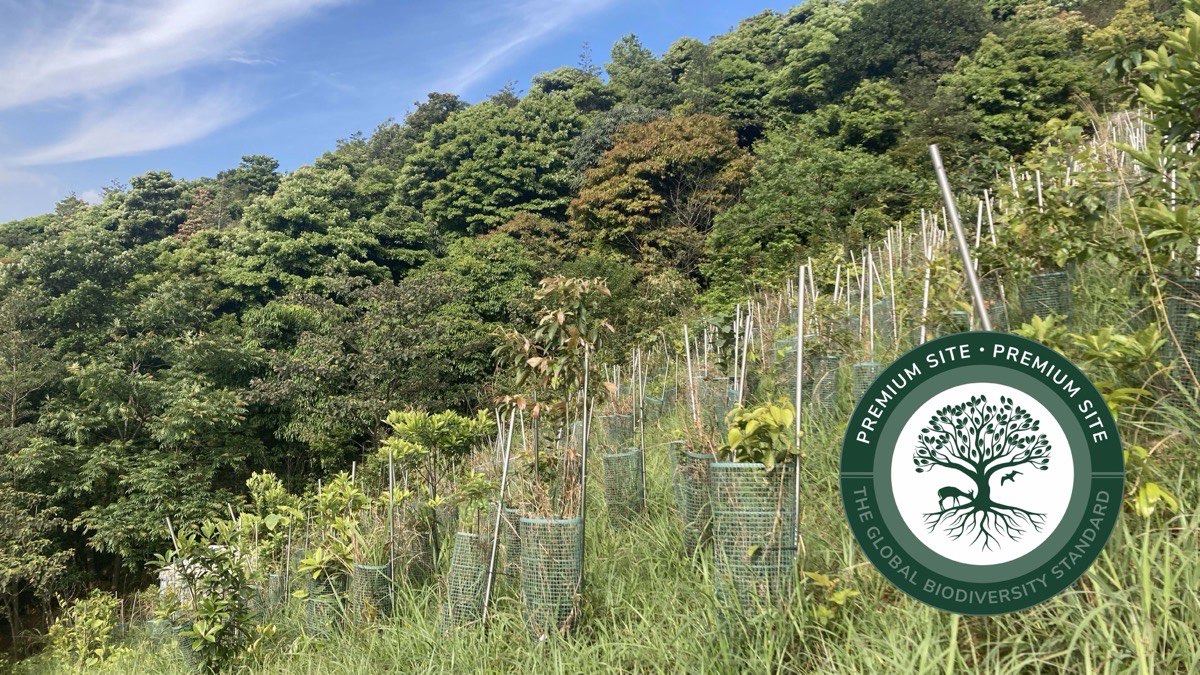
That long-term commitment has now been recognised internationally. In 2025, KFBG’s forest restoration programme received the world’s first Premium-Tier certification under The Global Biodiversity Standard (TGBS), with a score of 9.3 out of 10 — a milestone that speaks not only to the quality of the work, but to its wider relevance as a model for restoration.
What follows
How we measure restoration
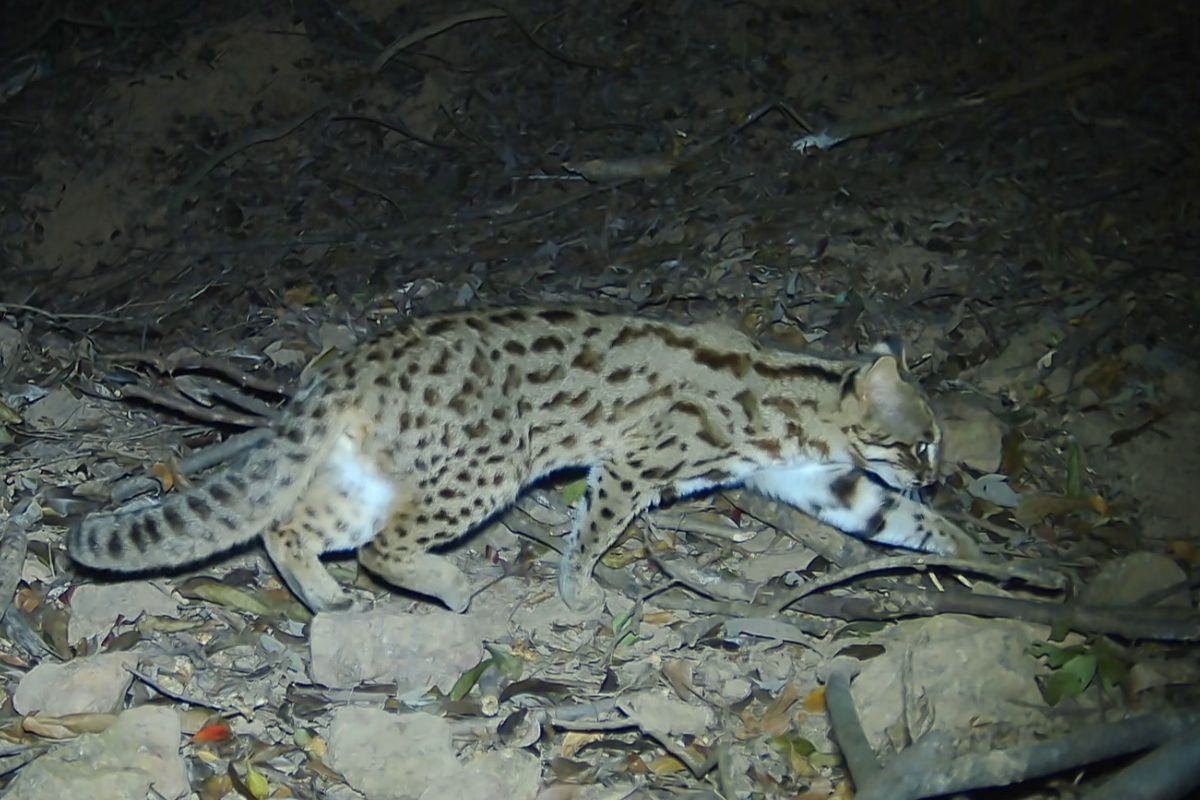
At KFBG, habitat restoration is not measured only by the number of seedlings in the ground. It is measured by what follows: recovering habitat, returning biodiversity and a landscape that can once again sustain life.
This is a story about rebuilding the future of a place — and showing what conservation can achieve when it is guided by science and sustained over decades.
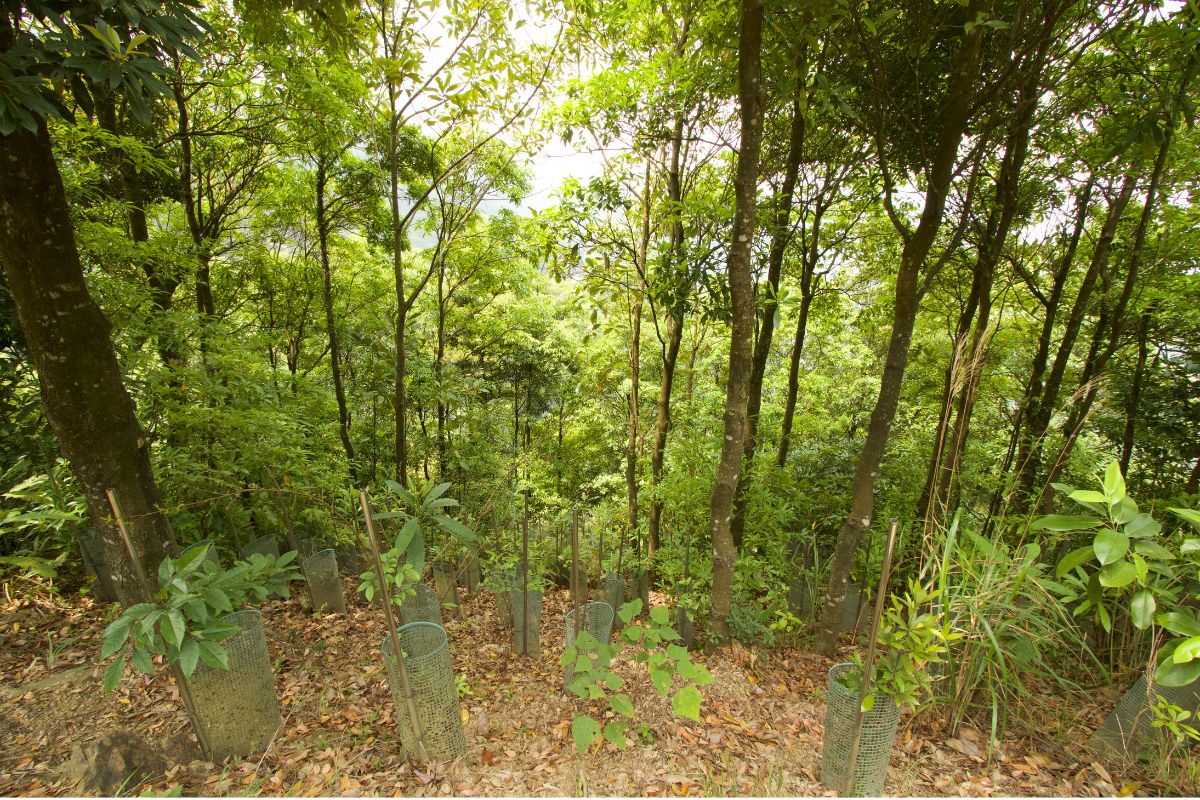
Twenty-one years
The restoration area
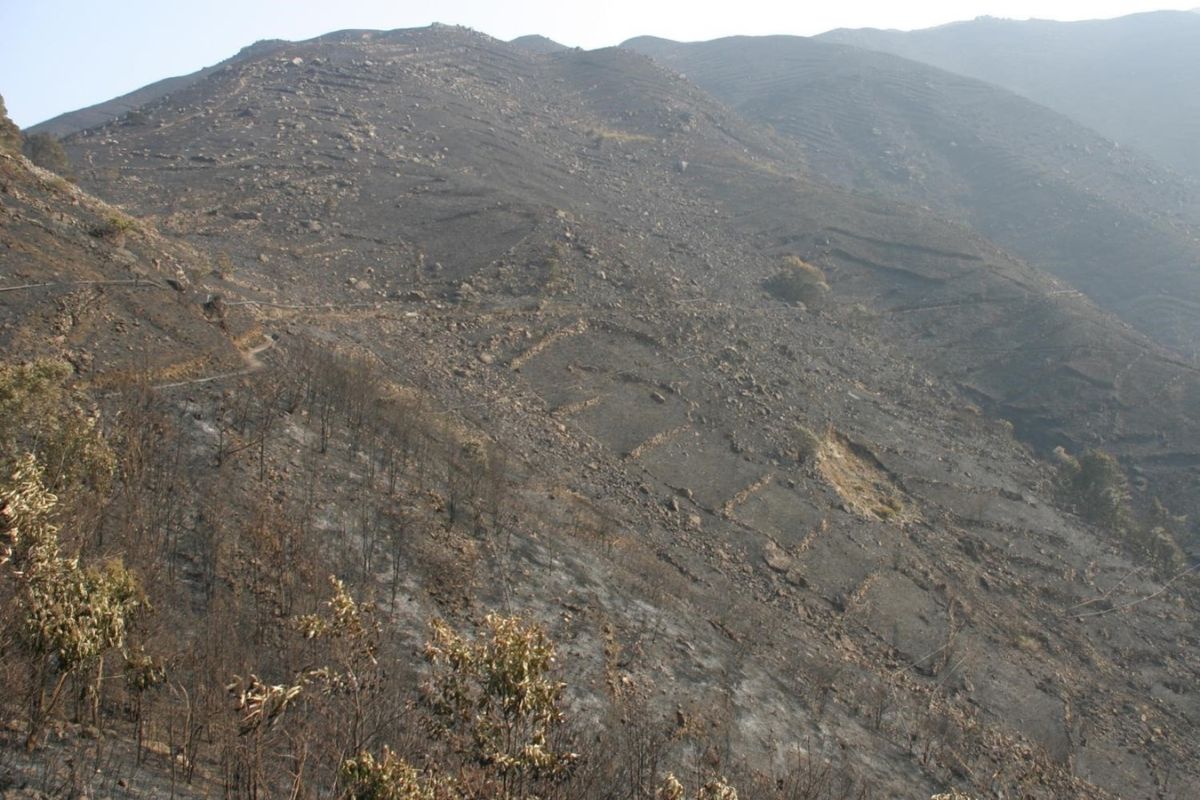
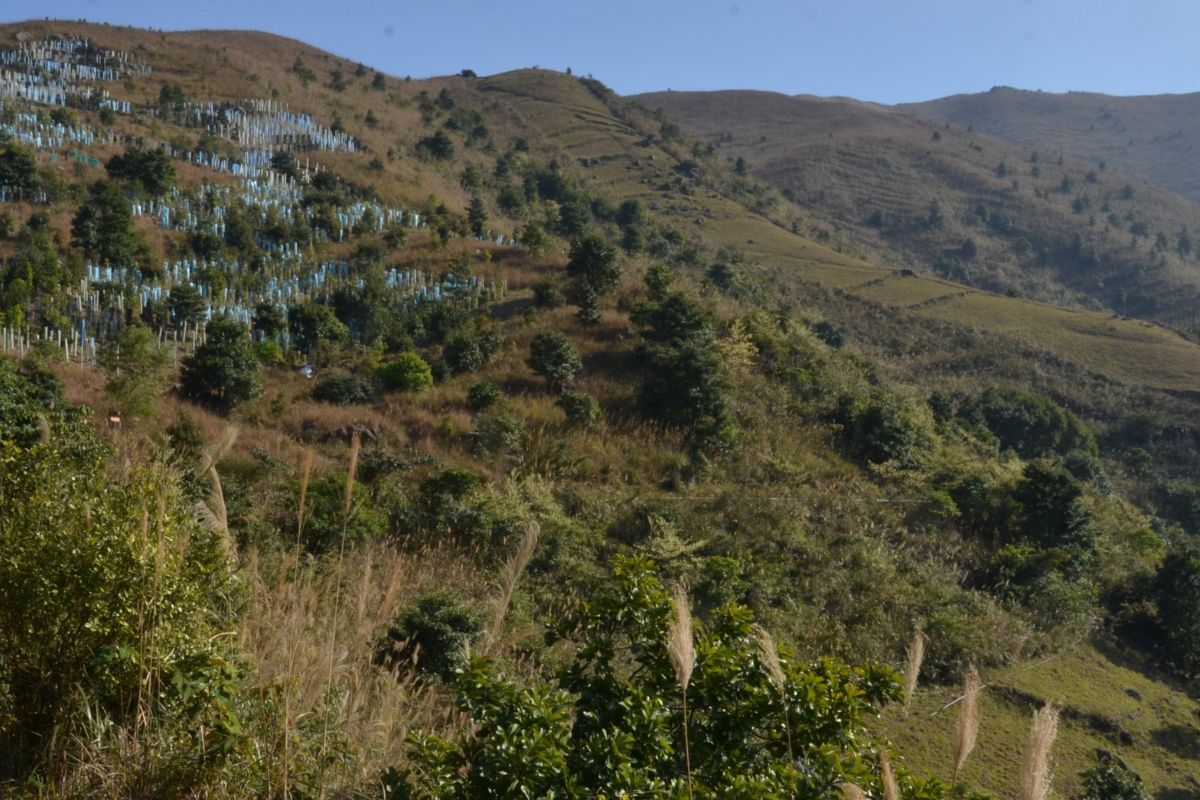
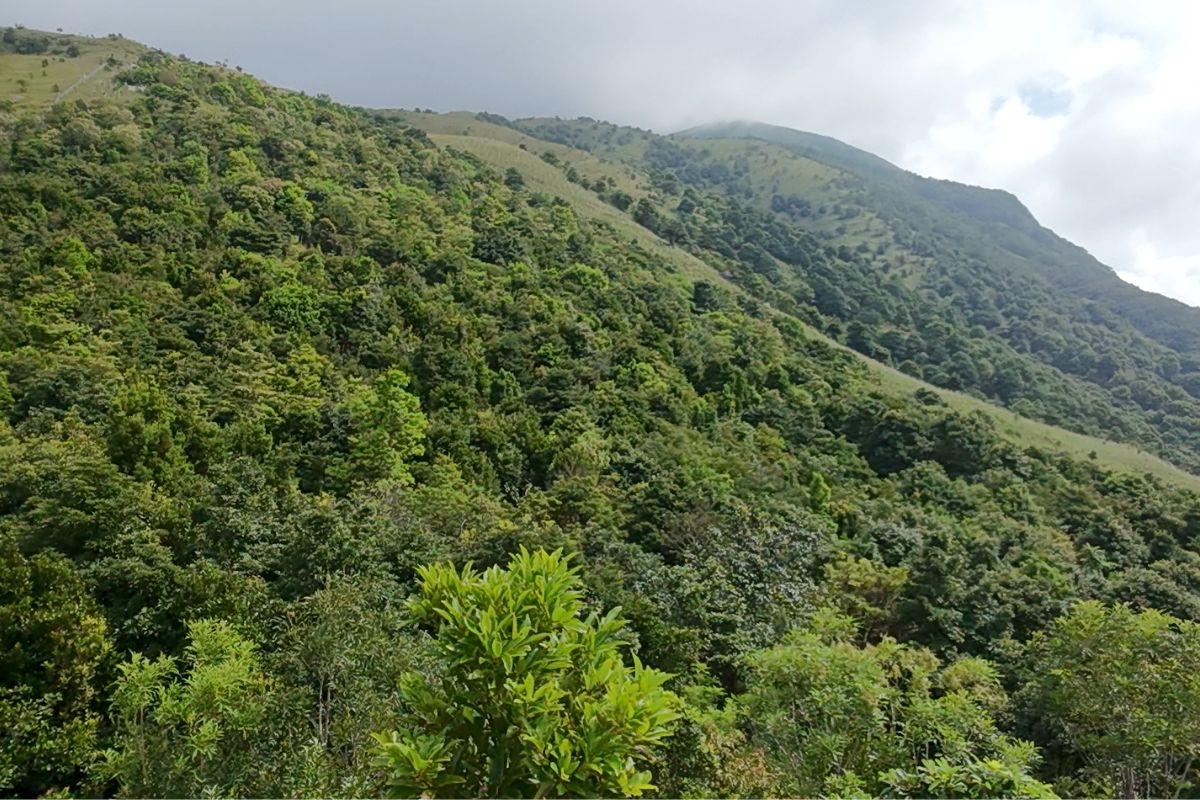
The three frames are of the restoration area but not from a single fixed camera position.

Florest Restoration Fund
Help Restore Hong Kong’s Native Forests and Rich Biodiversity
Your support helps KFBG restore diverse, resilient native forests—providing habitats for wildlife, revitalising vital ecological processes, and sustaining the clean air and water on which we all depend.
Notes
[1] A seedling count is an input, not a result. What matters is how many of those 3,000+ are still alive in the years to come, and whether the species mix reflects a healthy forest. Survival and monitoring figures are not published here.
Next in this issue