

Issue 1 - Q4 2026
News and Resources - KFBG Impact
Black Kite #69: Beyond the Release
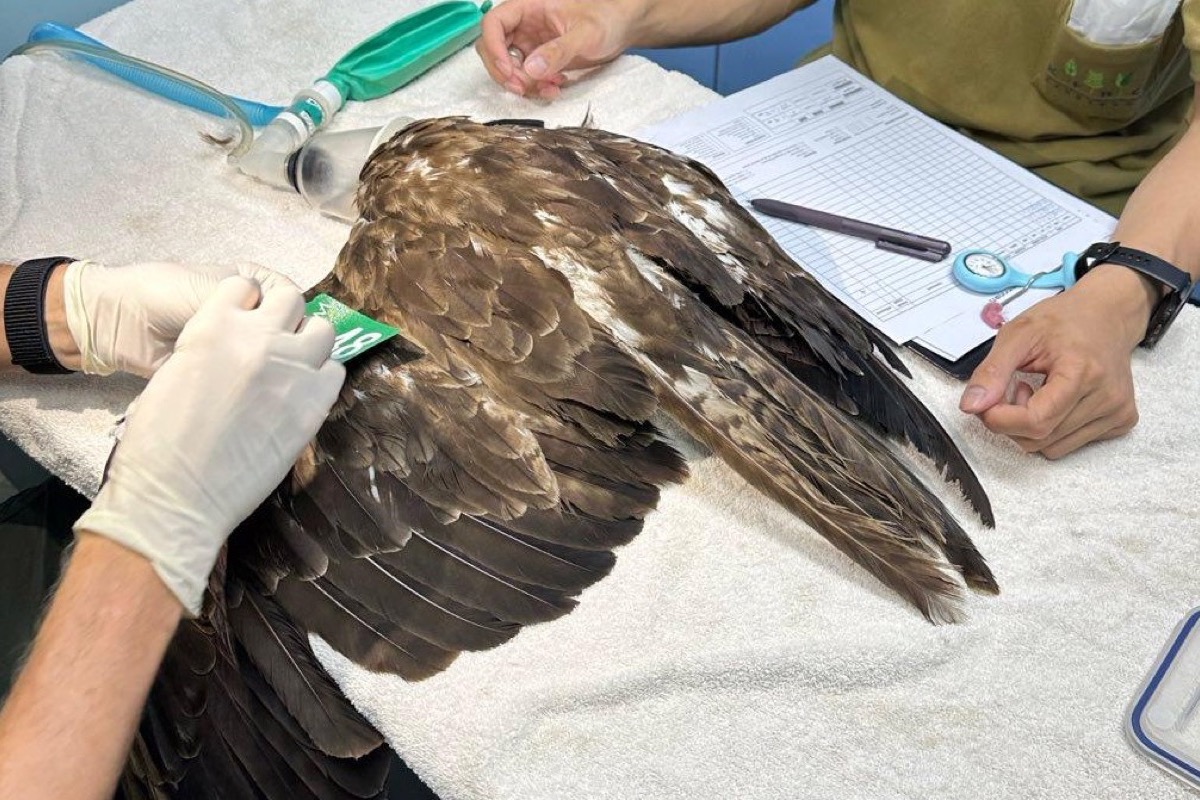
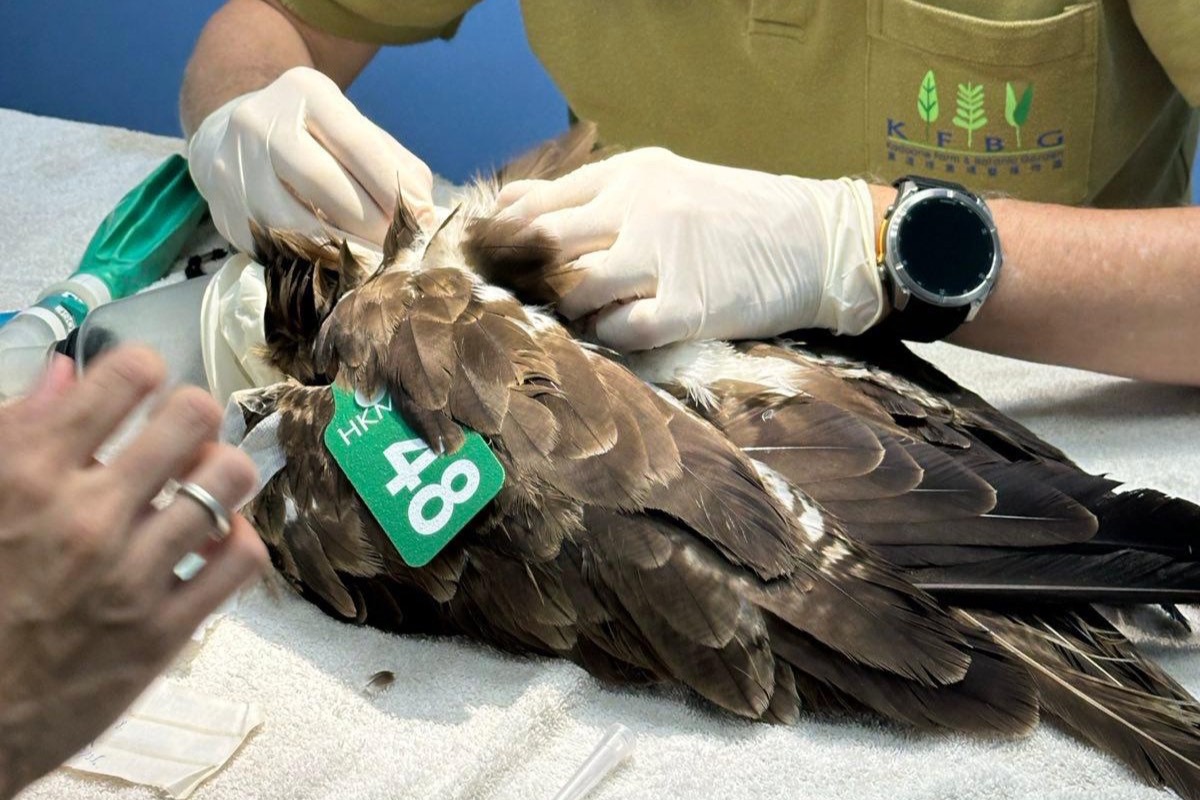
Wildlife rescue is not always completed at the point of release of recovered animals. In 2023, KFBG first introduced wing tagging for black kites, a marking scheme that makes post-release monitoring possible. The story of a black kite we named #69, who went through a journey from original rescue, release and post-release monitoring, difficulties across the border, a second bout of rehabilitation, and a second release followed by a number of public sightings, demonstrates the importance and impact of sustained follow-up, and how KFBG connects emergency care with longer-term learning.
The numbers
Impact at a glance
296

black kites released back to the wild
Of 498 kites received for care — around six in every ten.[1]
23,891birds received since establishment, including 498 kites

498kites received for care
~60%successfully rehabilitated and released

1storganisation in Hong Kong to introduce wing tagging for black kites

July 2023wing tagging project began

Citizen sciencePublic sightings help strengthen post-release monitoring

ShenzhenCollaboration includes the Shenzhen Rescue Center (also encountered Kite #69)

WHY RELEASE IS NOT THE END
25 years of black kite rescue and release
Rescue is not completed when the animal leaves the treatment table.
For wildlife, wild release is the last stage of a long journey — and understanding what happens after release is essential if rescue is to contribute meaningfully to conservation. That is what makes the story of Black Kite #69 so compelling.
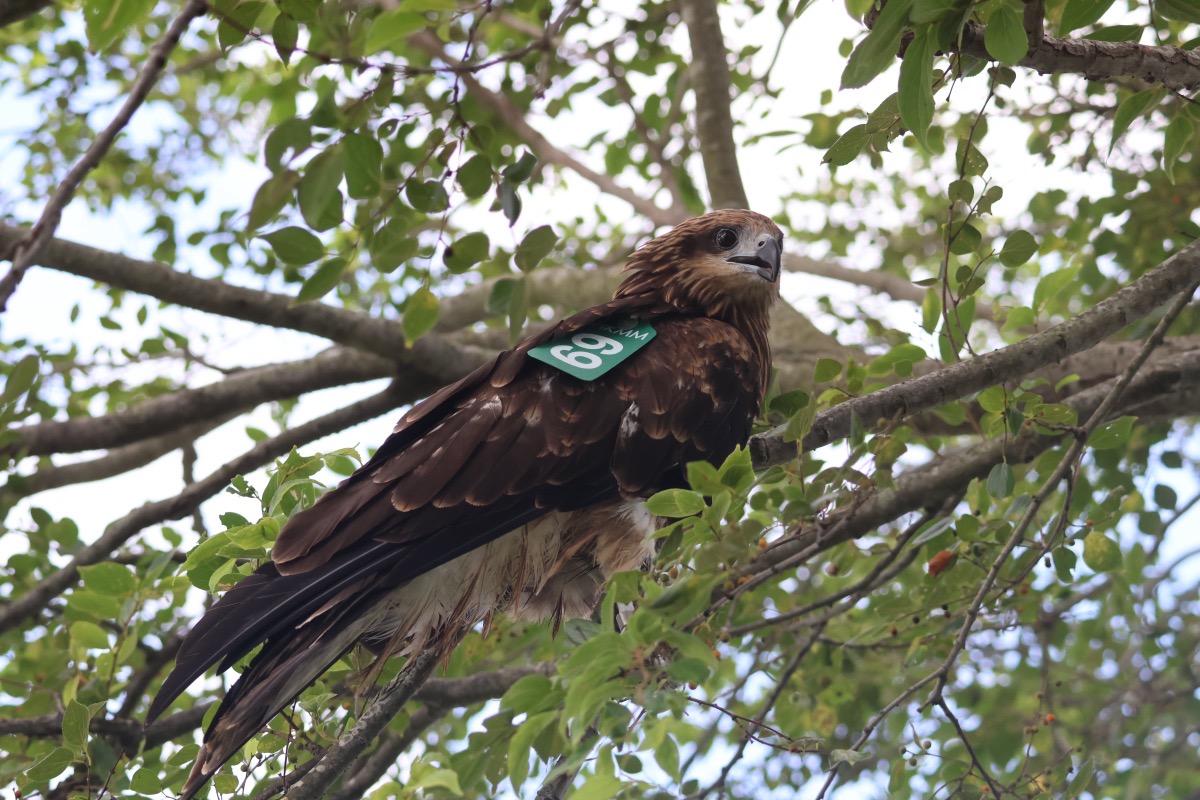
Black kites are the most common diurnal raptors in Hong Kong, but survival is never guaranteed for birds that arrive injured or weakened. Since the establishment of our Wild Animal Rescue Centre, KFBG has received 498 black kites for care, with 296 successfully released — a release rate of around 60 percent. Behind every case is expert veterinary attention, rehabilitation and the hope that each bird returns to the sky. This follows an often compassionate member of the public who reported the injured bird and the dedication SPCA inspectorate who carefully catch the bird and then transport it to KFBG.
One bird
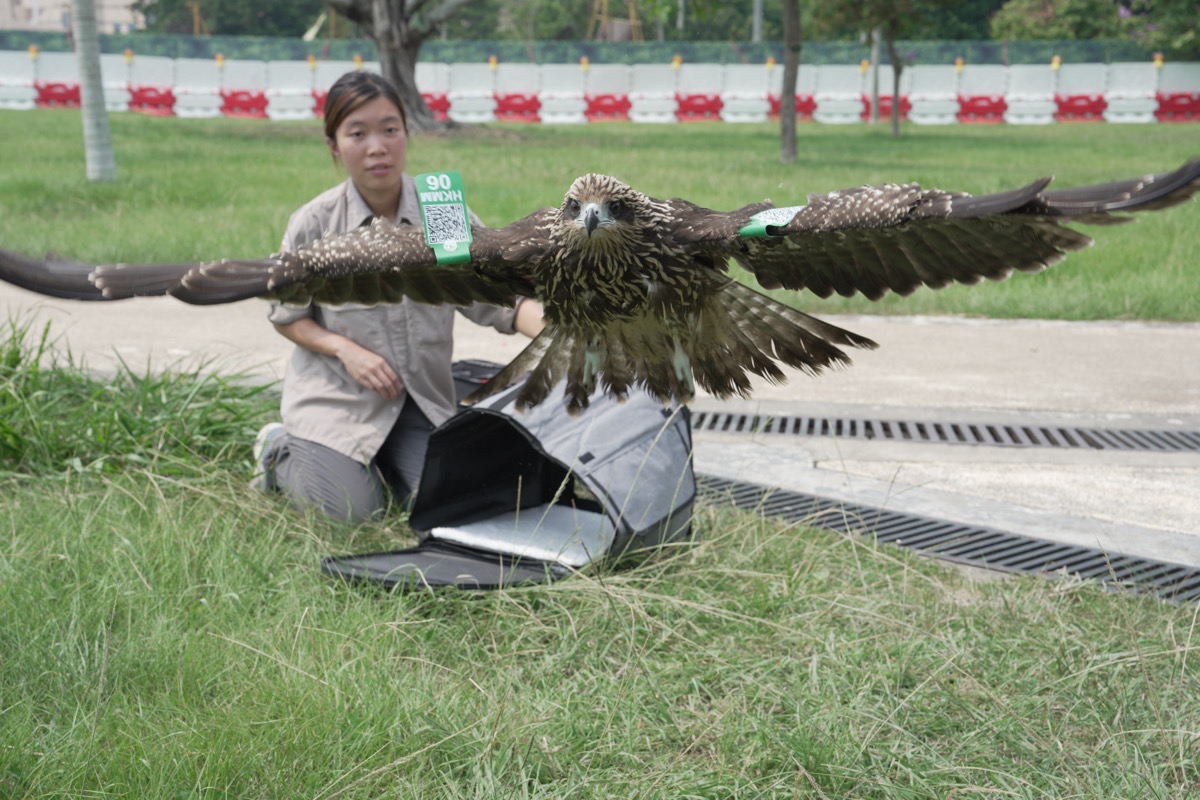
#69: re-sighted, re-rescued, released again
Black Kite #69 is a reminder that returning to the wild is not always straightforward.
His story did not end at release. It continued through public sightings, a re-rescue and a second release, revealing both the vulnerability of rehabilitated wildlife and the importance of sustained follow-up and collaboration. Rather than treating rescue as a single event, KFBG’s approach connects emergency care with longer-term learning.
Innovation
Wing tagging, a first in Hong Kong
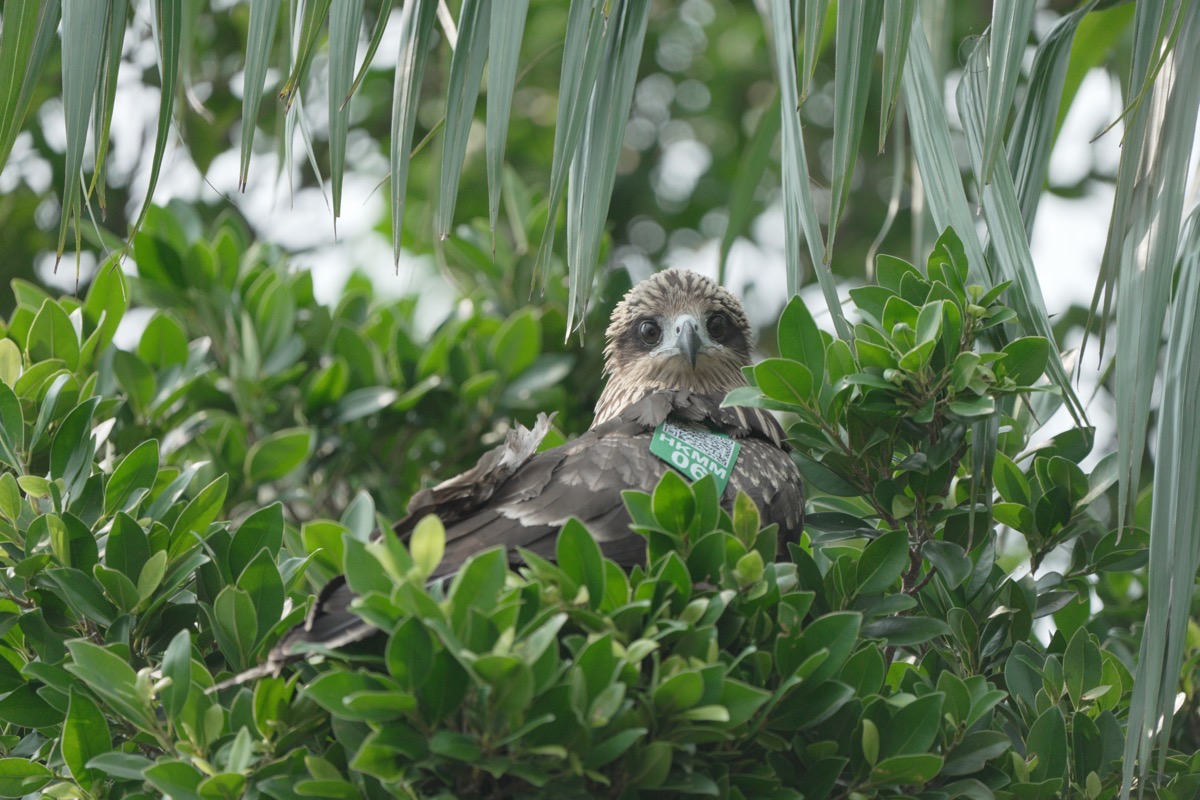
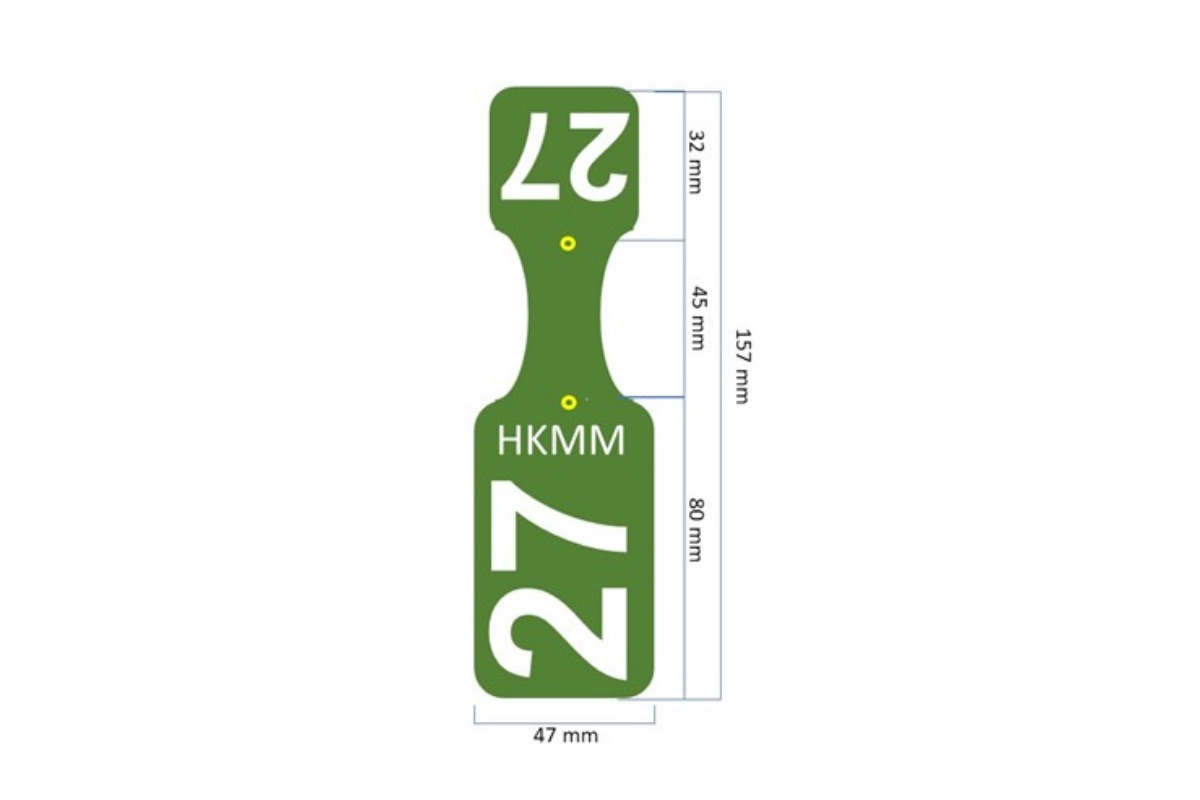
That learning has been strengthened by innovation. In July 2023, KFBG became the first organisation in Hong Kong to introduce wing tagging for black kites, helping make post-release monitoring possible. Public sightings can now contribute to a growing body of knowledge about where released birds go, how they survive, and what challenges they may continue to face in the wild. Members of the public can provide details of sightings of wing-tagged kites through KFBG’s online sighting log.
Collaboration
Working across borders
The story of Black Kite #69 also reflects the importance of collaboration. Effective wildlife conservation often depends on coordination across institutions and borders, including partnerships such as KFBG’s work with the Shenzhen Rescue Center.
MORE THAN ONE BIRD’S STORY
How rescue builds conservation knowledge
What makes this story impactful is not only the resilience of one bird, but ways we can learn about the post-release survival of that bird. At KFBG, rescue is not only an act of compassion, it is part of a broader conservation effort that links veterinary care, rehabilitation knowledge, post-release monitoring, evidence-recovery and record keeping — improving what we know so that more wildlife can have a genuine second chance.

Raptor Sanctuary Fund
Act now and support KFBG’s raptor rescue and rehabilitation.
498 black kites have come through that ward in 25 years.
Notes
[1] A release rate counts birds that left our care alive. It does not tell you how long they survived once they were out of sight — which is precisely the gap the wing-tagging programme was created to close. Post-release survival figures are not yet available.
Next in this issue