
Lantau Otter Conservation Project

Conservation and Research - Fauna Conservation
Forgotten but Not Gone: Lantau Otter Conservation Project
The Pearl River Delta, with its dense network of waterways and wetlands, was once a paradise for otters. In Hong Kong, from the hilly areas of Aberdeen and Shing Mun to the ever-so-busy Victoria Harbour, their footprints were once found across all local waters. Lantau was no exception: historical evidence clearly indicates their presence on the island as well as nearby outer-lying islands.

Today, however, otters are largely restricted to the Deep Bay area, and they face a high risk of local extinction. As top predators in wetland ecosystems, otters play a vital role in maintaining ecological balance and therefore hold significant conservation value, yet they remain understudied in Hong Kong.
.jpg)
In 2024, more than half a century after otters were generally thought to be locally extinct on Lantau Island, the otter research team of Kadoorie Farm and Botanic Garden (KFBG) unexpectedly rediscovered a verified sign of Eurasian Otter (Lutra lutra) in the Brothers Marine Park in northern Lantau waters, which extends far beyond the current known range of the otter. Lantau’s unique ecological and geographical advantages, along with its relatively well-preserved and suitable natural habitats, offer ideal and undisturbed habitats for this shy and elusive species.

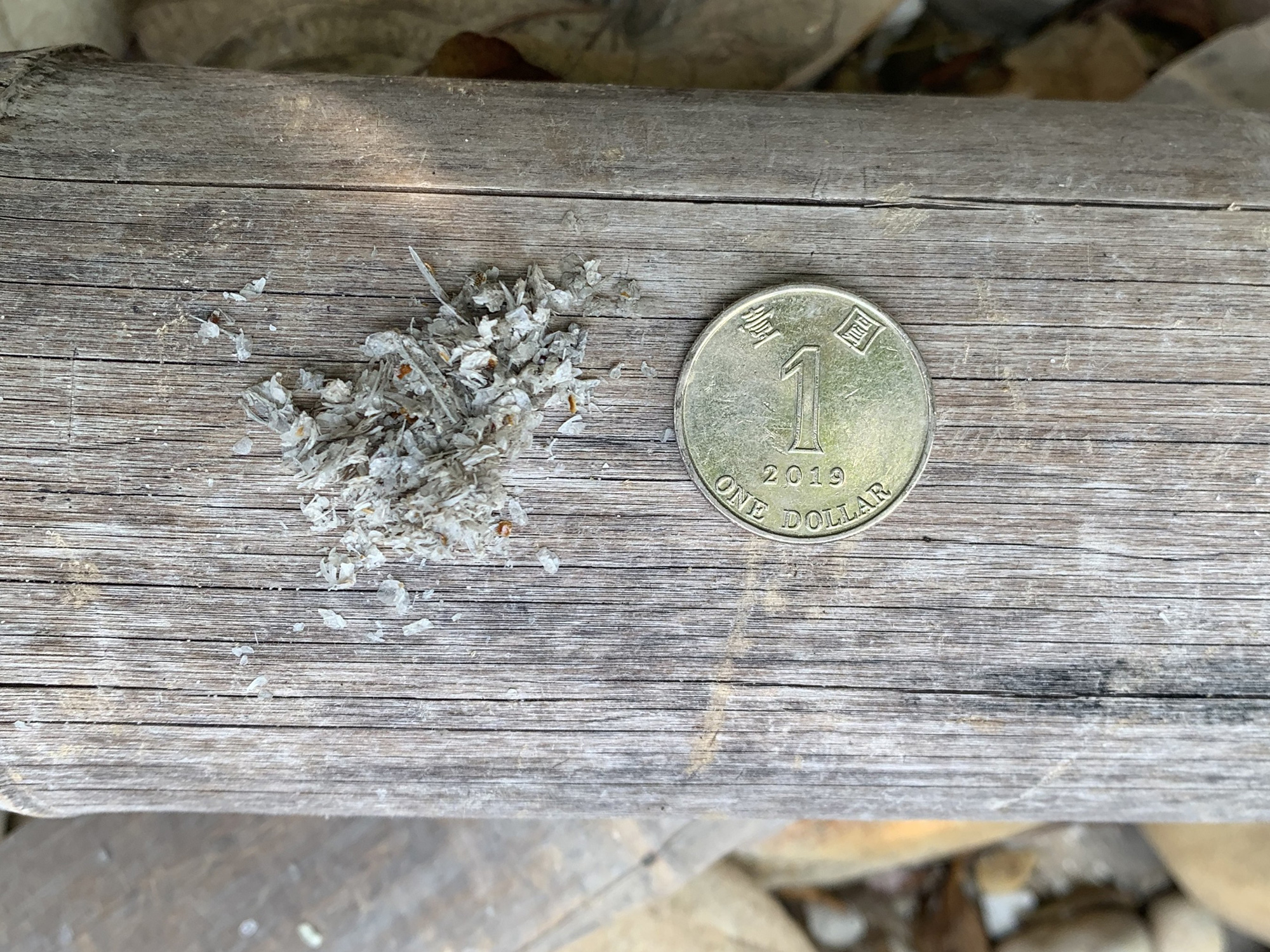
Eurasian Otter (Lutra lutra) sign found in the Brothers Marine Park
In 2025, KFBG’s conservation research project, Forgotten But Not Gone: Lantau Otter Conservation Project, was awarded funding by the Lantau Conservation Fund. This 2.5-year project is the first comprehensive island-wide Eurasian Otter survey on Lantau, covering its entire coastal region and the Brothers Marine Park and will fill the critical knowledge gaps for the conservation of this species.
Objective
The objectives of the project include:
- Clarify the historical and current distribution and population status of the Eurasian Otter (Lutra lutra) in Lantau and the Brothers Marine Park.
- Identify major threats to otter persistence in the study area.
- Designate priority conservation sites to propose targeted protection measures.
- Elevate public and stakeholder awareness of otter and wetland conservation.
- Formulate evidence-based recommendations for in-situ habitat protection and enhancement.
Methods
Lantau Island boasts many natural wetlands and coastal areas, such as mangroves and estuaries, that provide suitable habitats for otters. As the first comprehensive otter survey on Lantau, the main survey methods include:
1. Otter Sign Surveys
Surveys cover various potential otter habitats, including wetlands, streams, mangroves and coastal areas, to search for signs of otter presence. Based on initial reconnaissance, the team has established transects in accessible habitats with a high probability of otter presence.
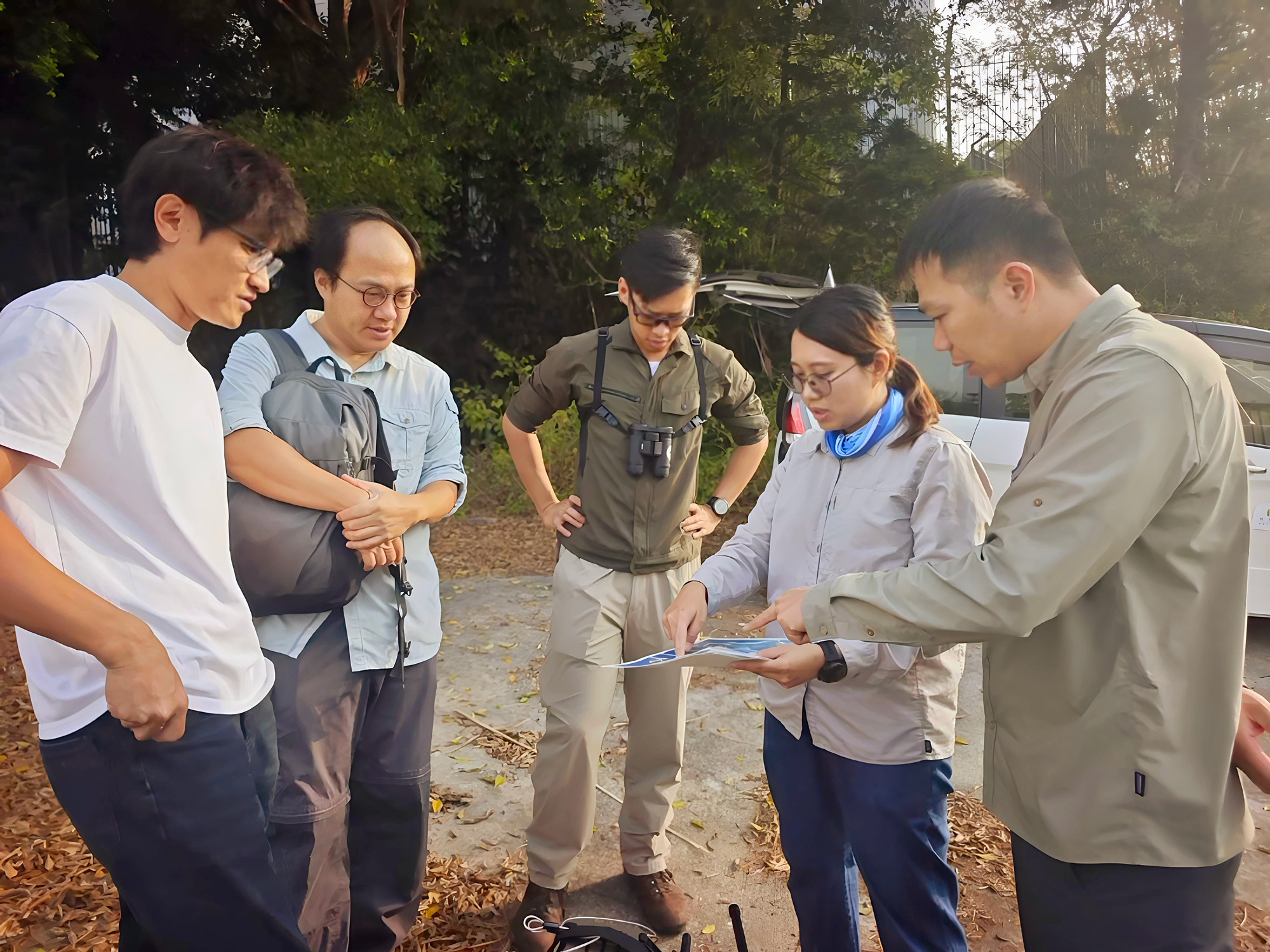
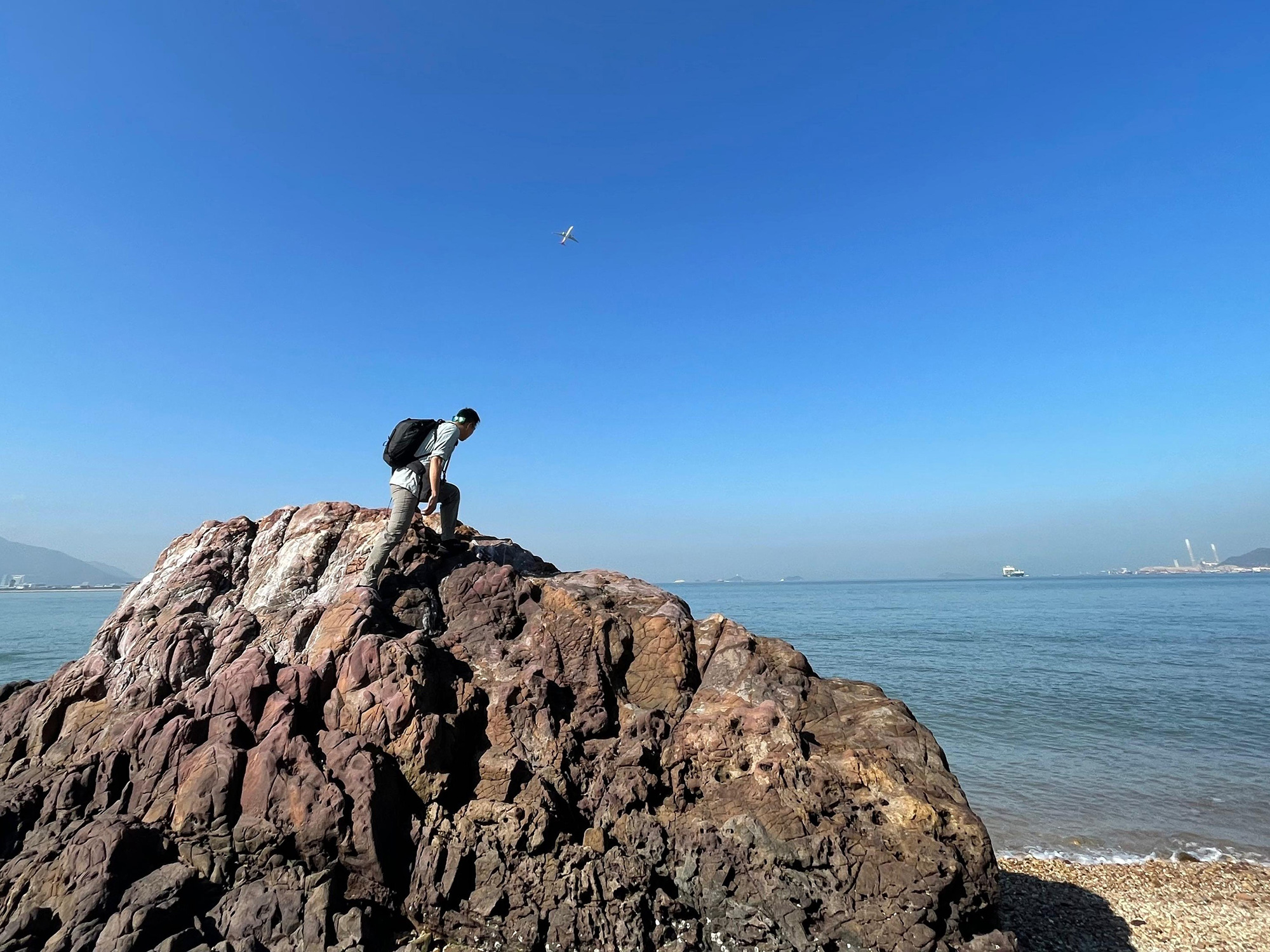
Surveyors primarily search for:
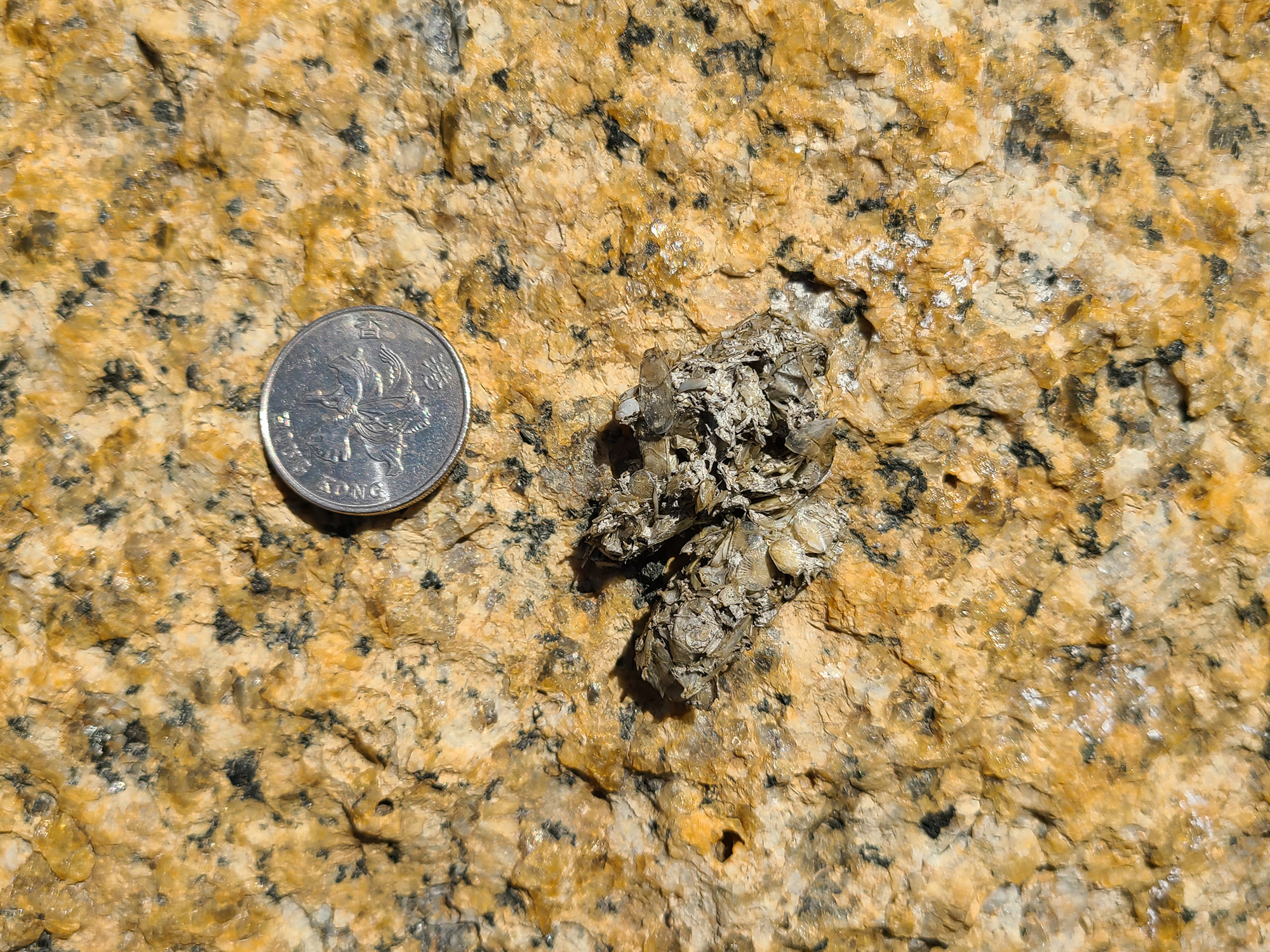
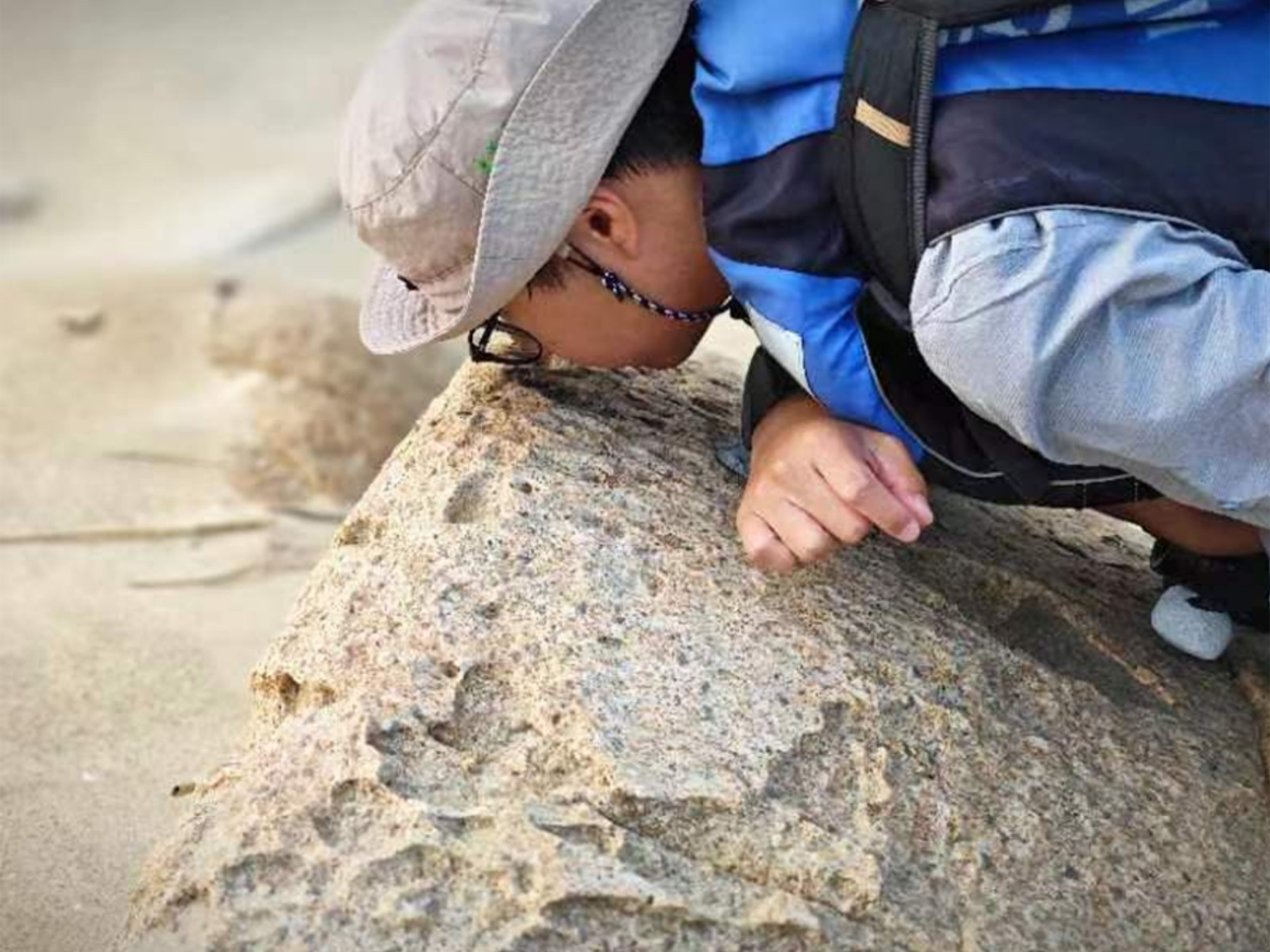
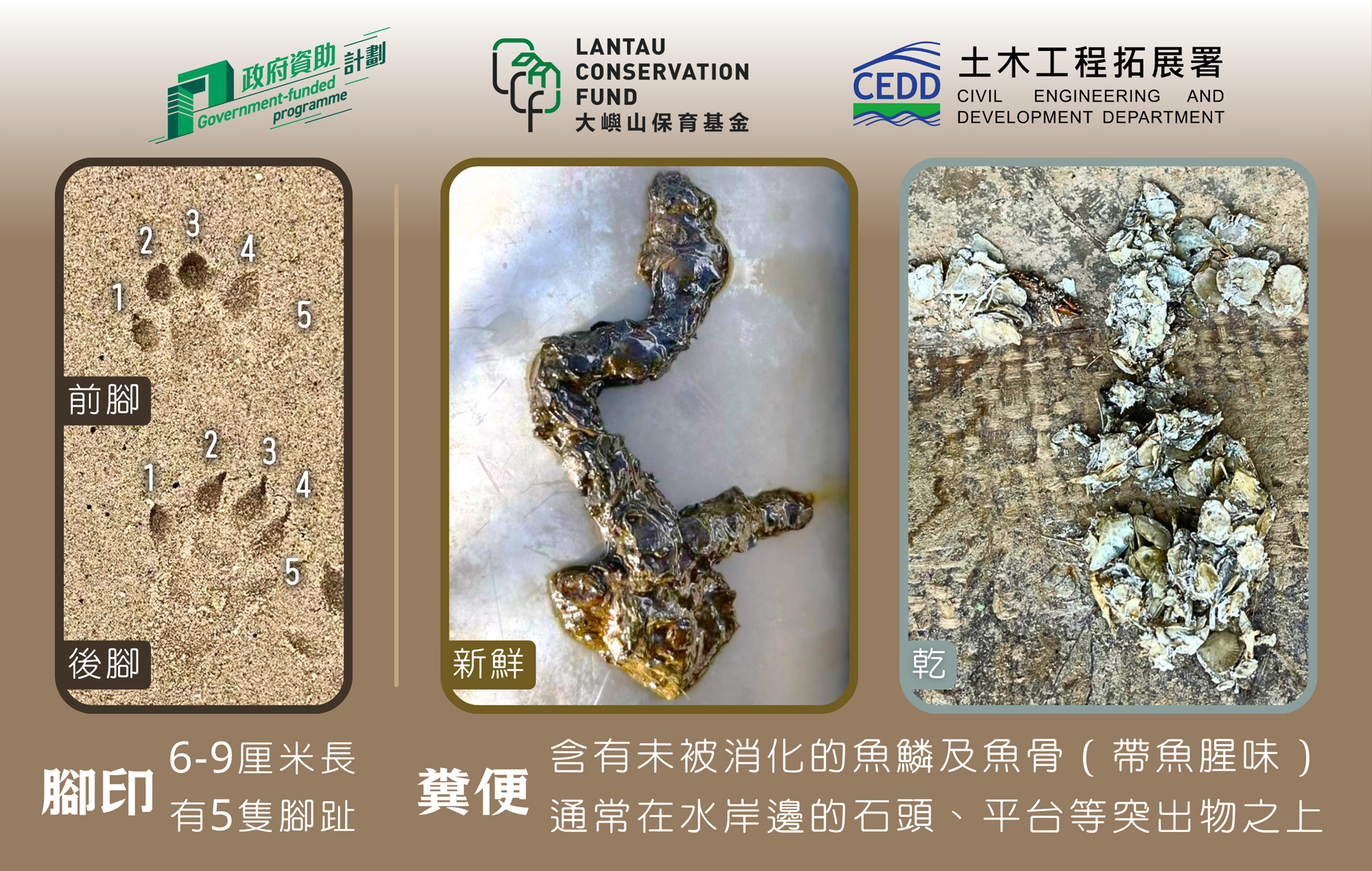
- Spraints: Otter faeces, often deposited on rocks or raised features as territorial markers. They typically contain fish scales and bones and give off a distinct smell of dried seafood mixed with a hint of jasmine tea;
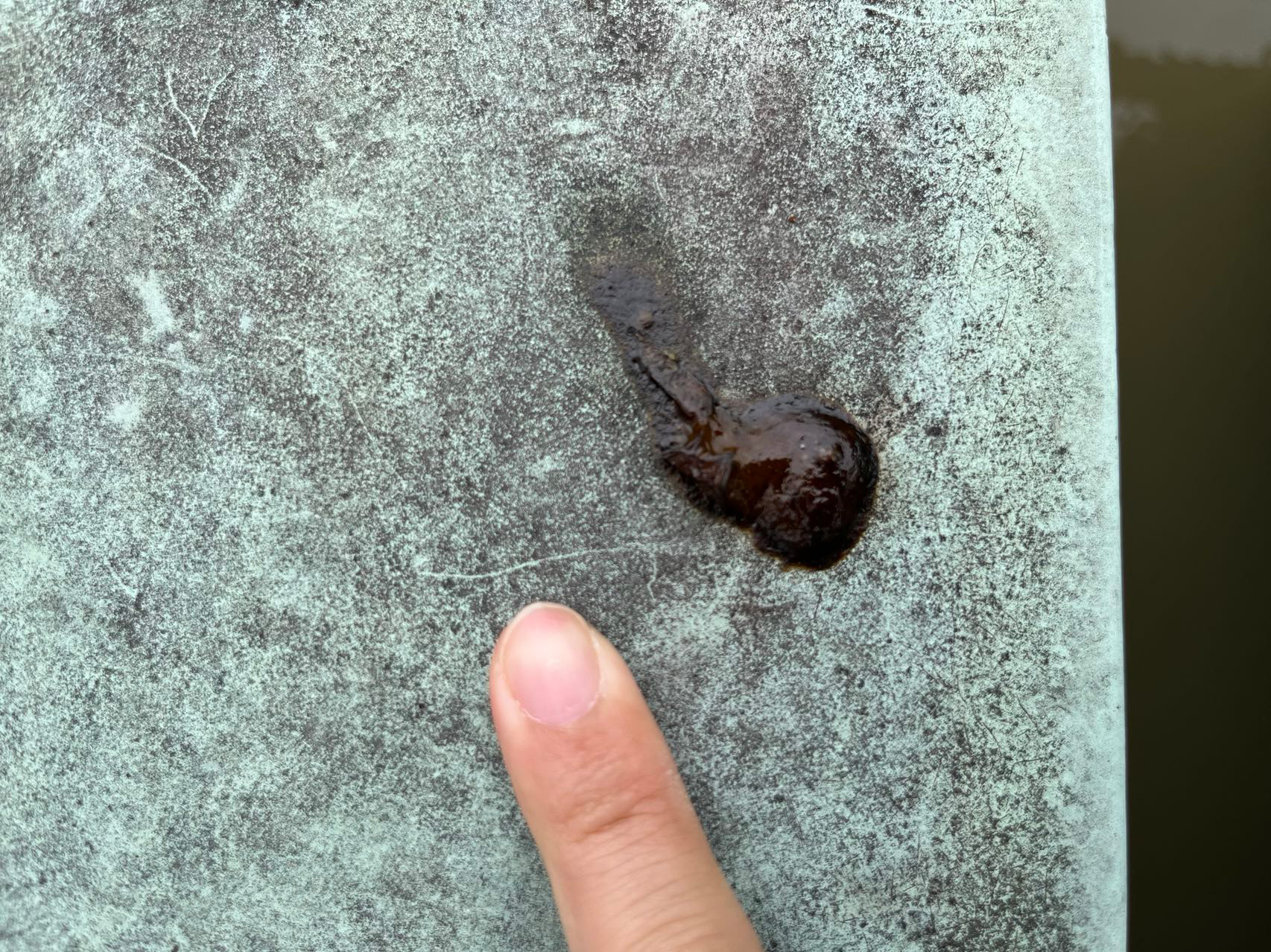
- Anal Jelly: A mucus-like secretion, with a similar scent of the spraints;
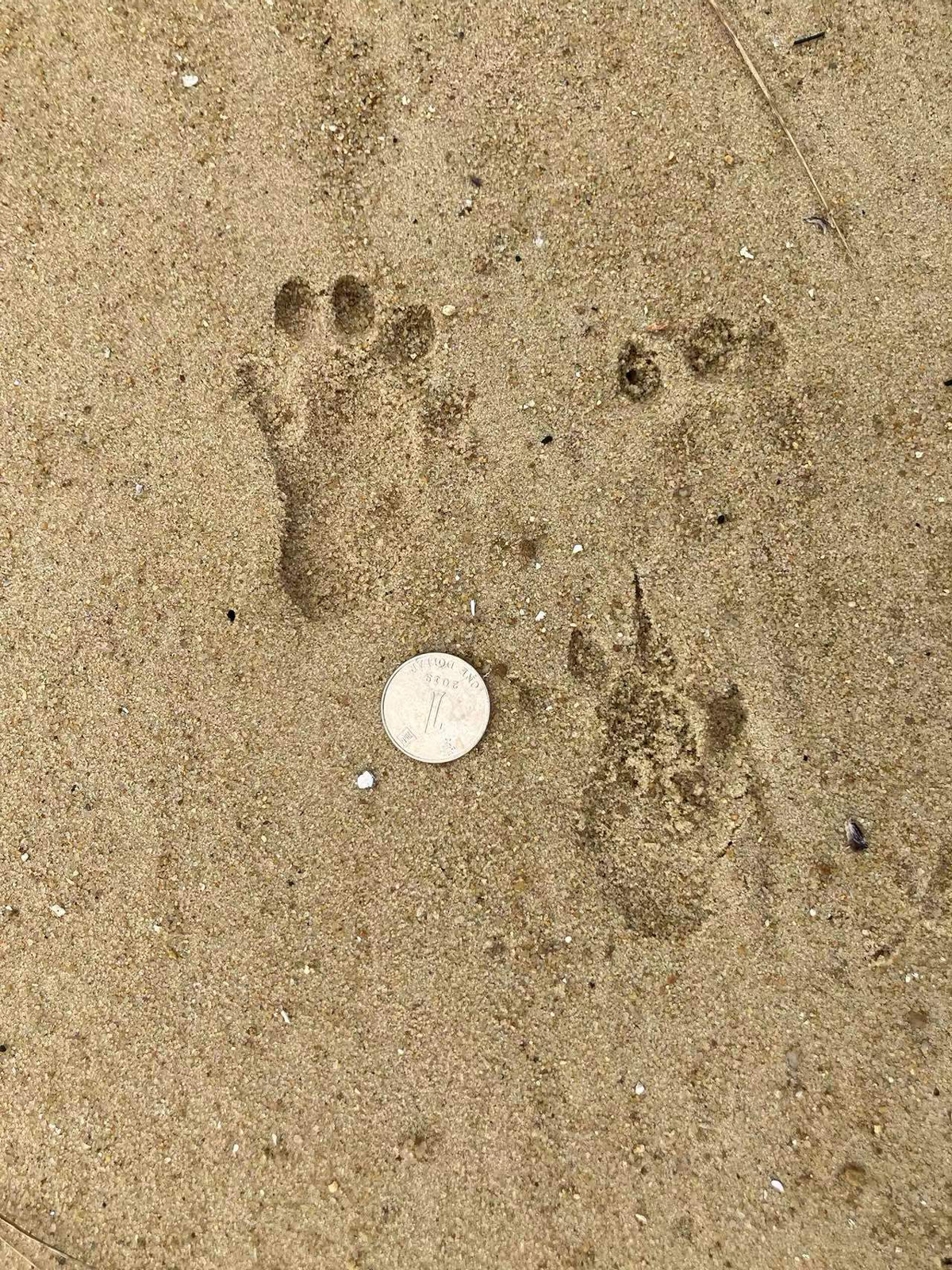
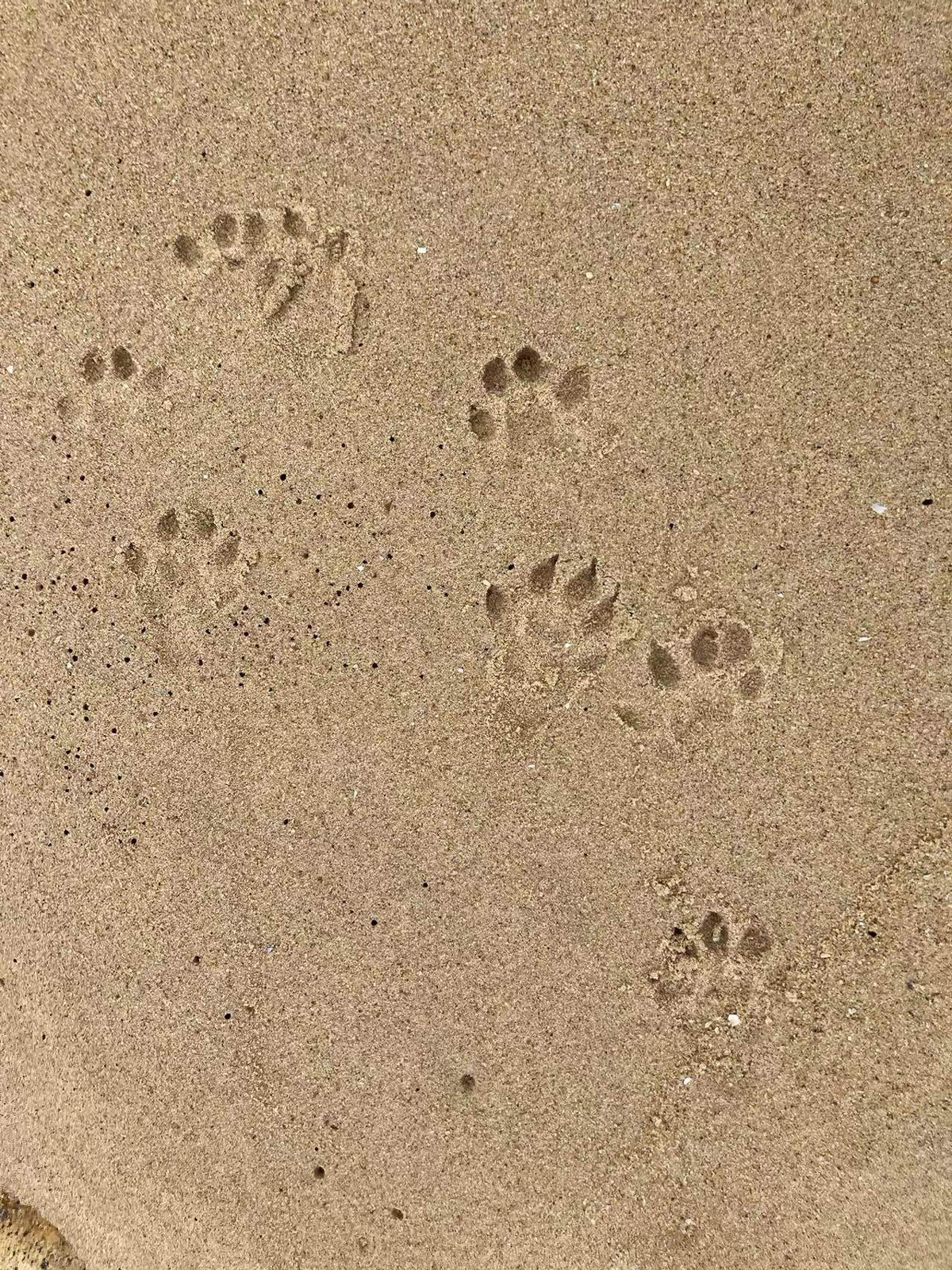
- Footprints: Tracks left by otters in soft substrates such as mud or sand. Otters have webbed toes with five digits on each foot, leaving footprints with a large rear-pad impression.
2. Conservation Detection Dog
Global mammal studies have confirmed that detection dogs can effectively support conservation work, serving as a powerful boost to traditional visual surveys. Using conservation dogs to search for Eurasian Otters has been successfully conducted in Switzerland and Germany.
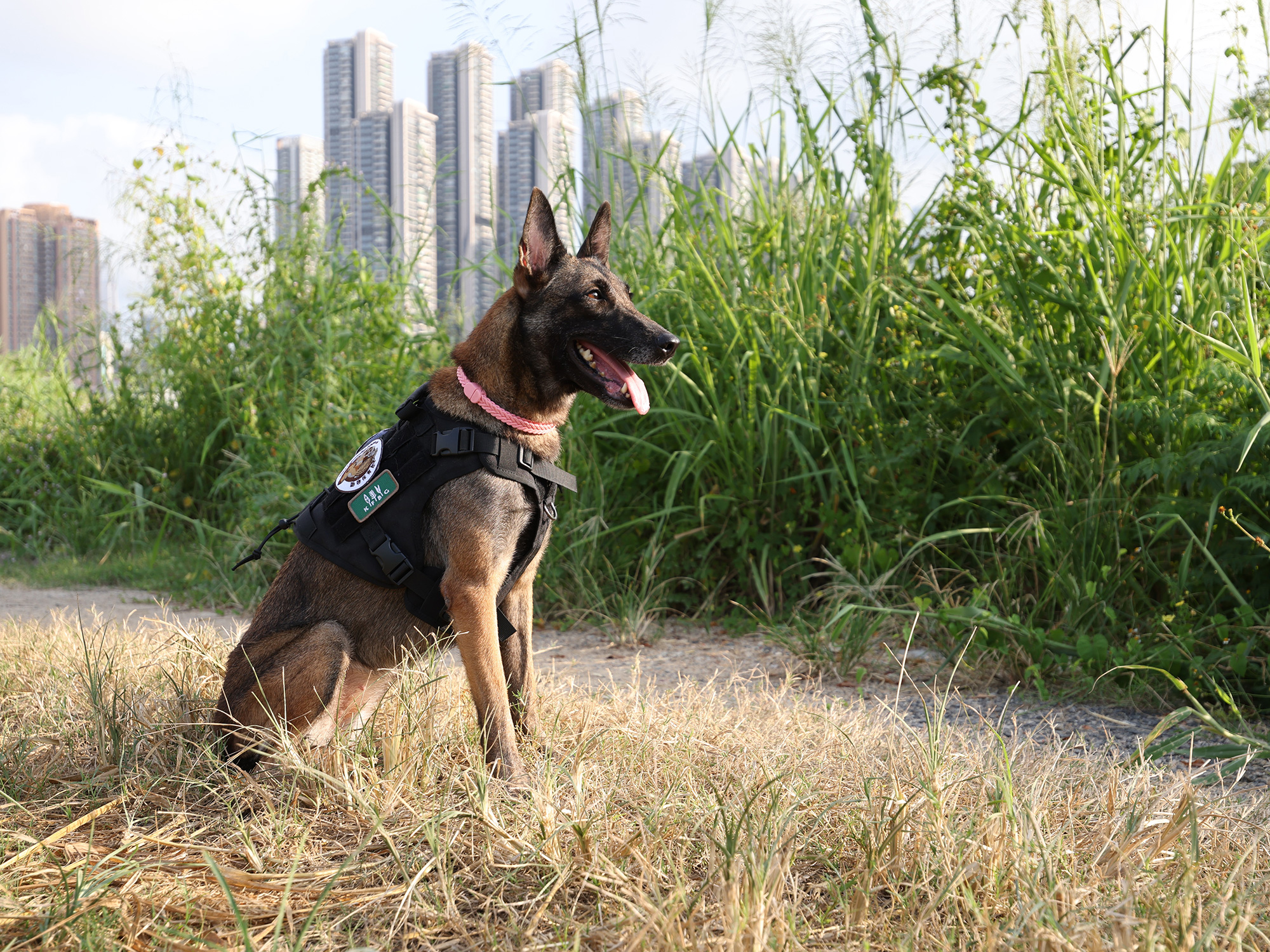
In this study, a conservation dog is being trained and deployed to help in suitable transect surveys. Experienced surveyors are combined with the trained detection dog accompanied by its trainer to increase the possibility of detecting otter signs. The surveyors will verify any otter signs detected by the conservation dog on-site.
Training for the conservation dog is supervised by KFBG's otter experts and experienced dog trainers from the Hong Kong Canine Training Association to ensure the dogs are well-prepared for fieldwork. Specific spraint detection exercises are conducted to ensure the dogs can accurately identify otter spraints in a variety of environmental conditions.
.jpg)
3. Non-invasive Genetic Analysis
As food passes through an otter’s gut, cells from the lining of the digestive tract come off and mix with the faeces. Researchers can therefore use a non-invasive approach to confirm the host identity of a faecal sample.
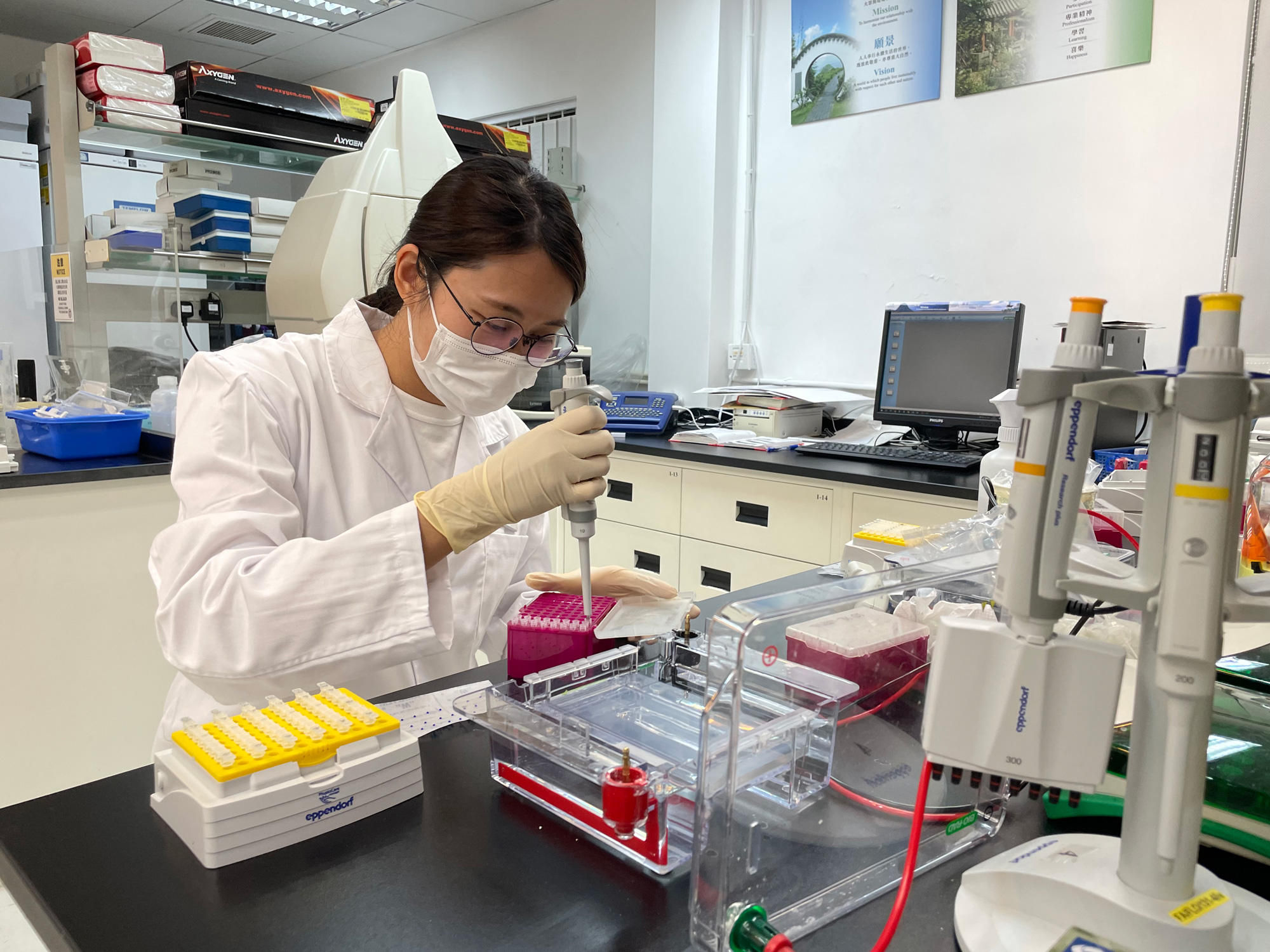
Suspected spraint samples are collected, preserved in dedicated reagent and stored at -20°C in KFBG’s Conservation Genetics Laboratory until processing.
DNA is extracted from the samples and amplified by polymerase chain reaction (PCR) using otter-specific primer, then sent for Sanger sequencing. The resulting sequences are edited and compared with existing Genebank records to confirm whether they belong to an otter.
4. Infrared Camera Trapping
Because Eurasian Otters are elusive, difficult to track, and primarily nocturnal: direct sightings are extremely rare, making camera trapping an essential tool for their detection.
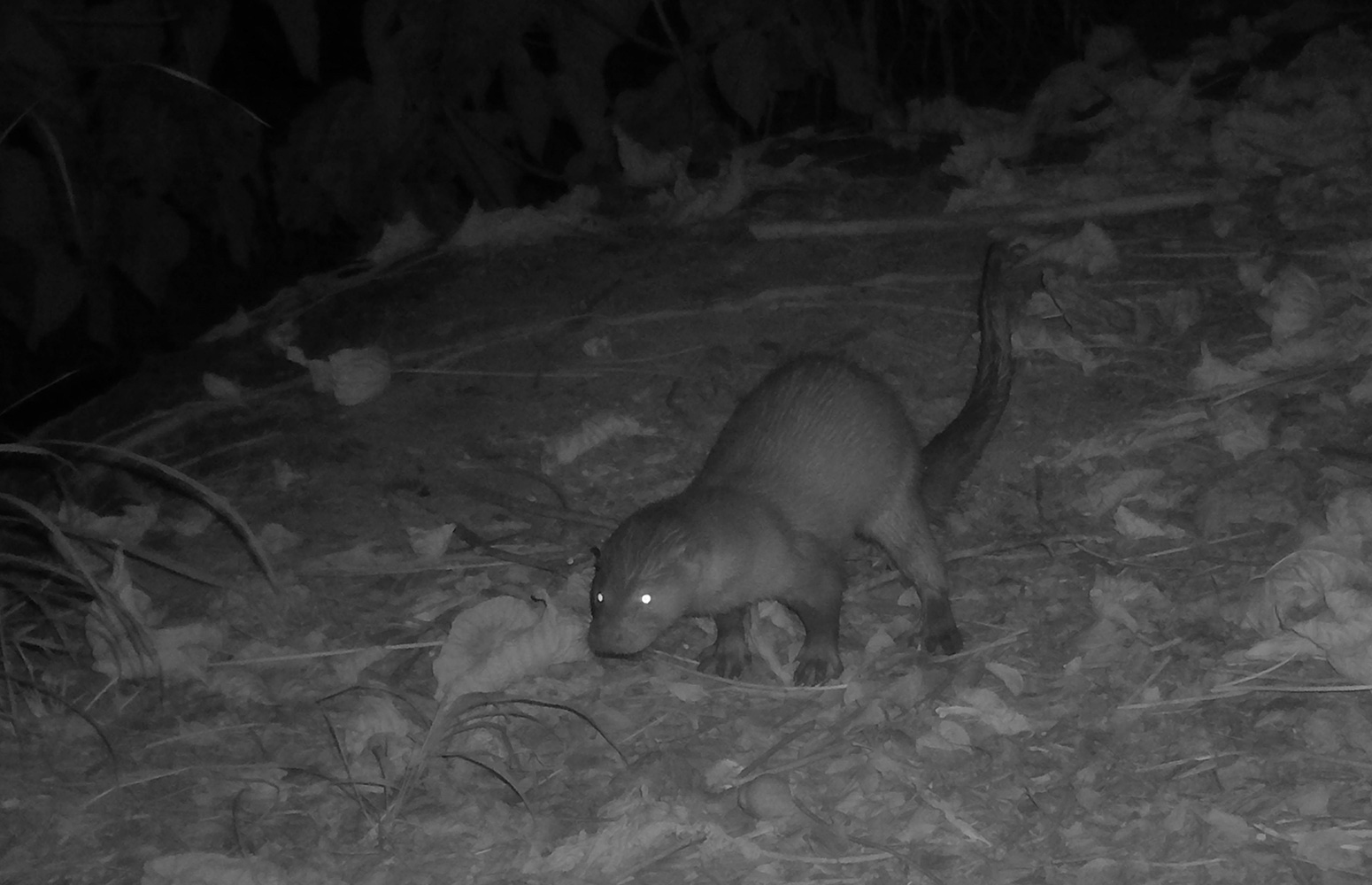
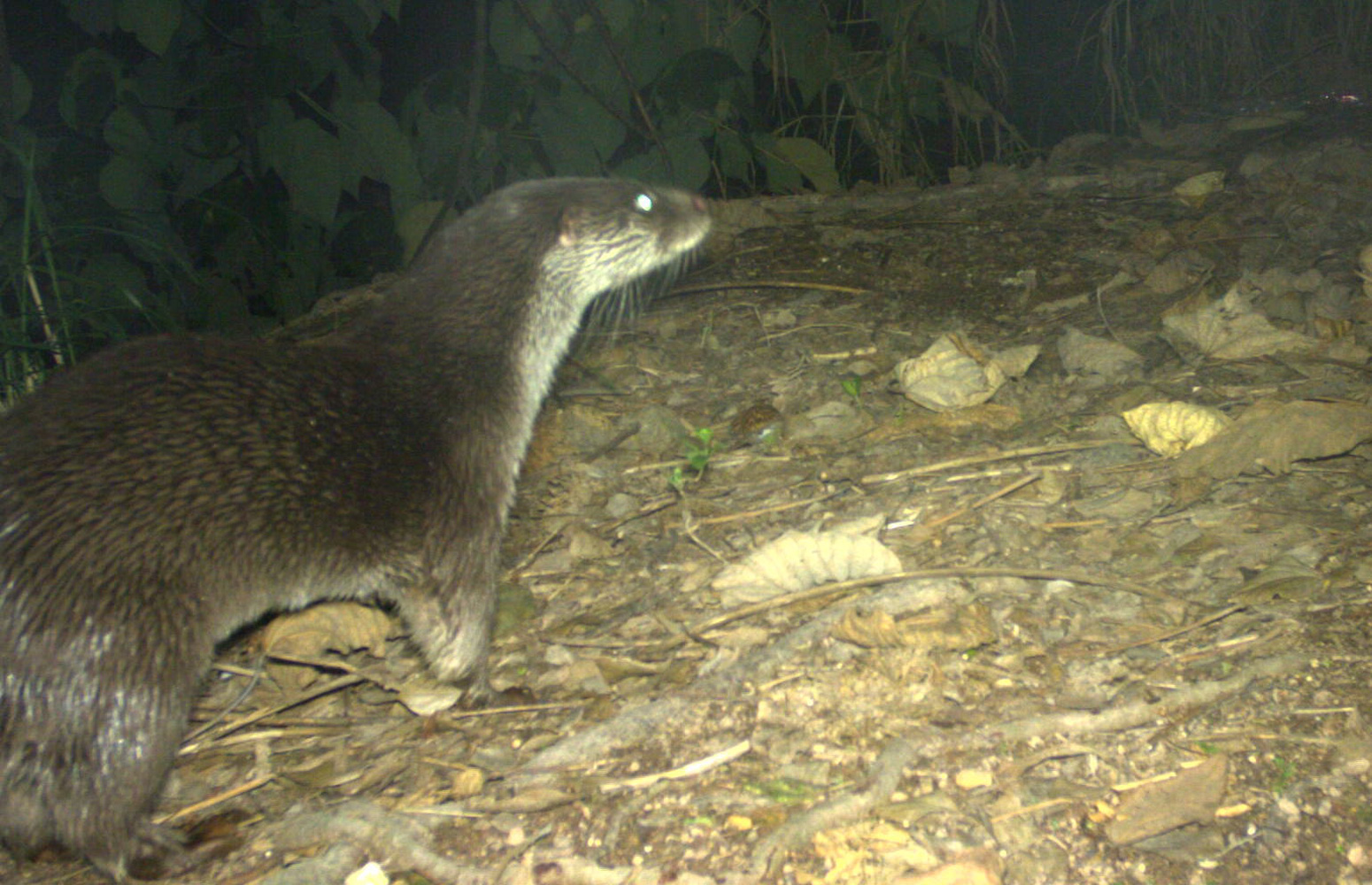
Otter image captured in Lok Ma Chau using camera trap
Sustained monitoring provides a consistent record of presence and activity over time, while also providing additional insights into their behaviour and habitat use.
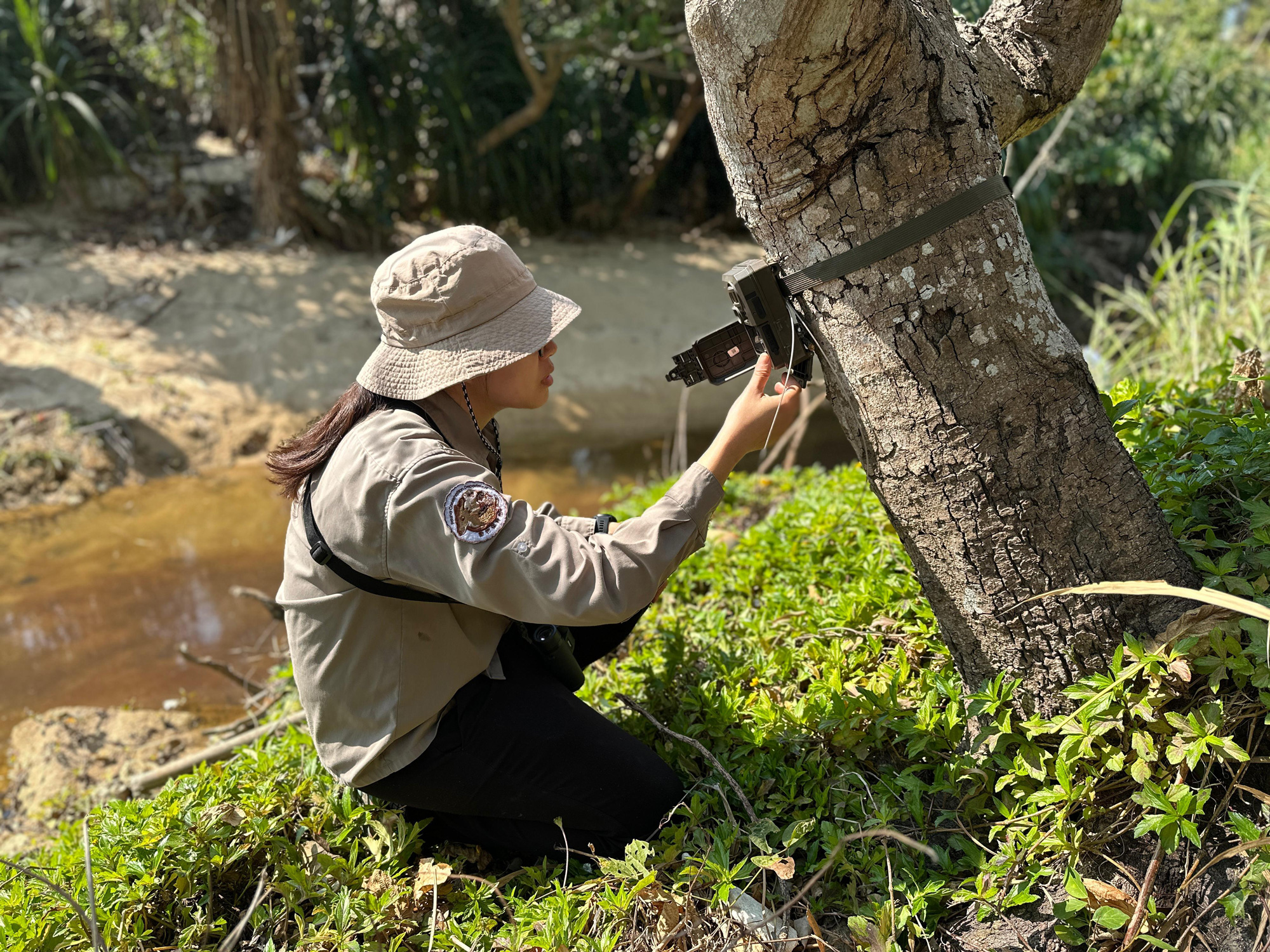
Camera trap stations are strategically placed across Lantau Island and the Brothers Islands, in habitats otters are likely to use. These include intertidal channels, fishponds, coastal areas, mangroves and streams, particularly in areas with minimal vegetative substrate cover and open canopy.
5. Local Ecological Knowledge Surveys
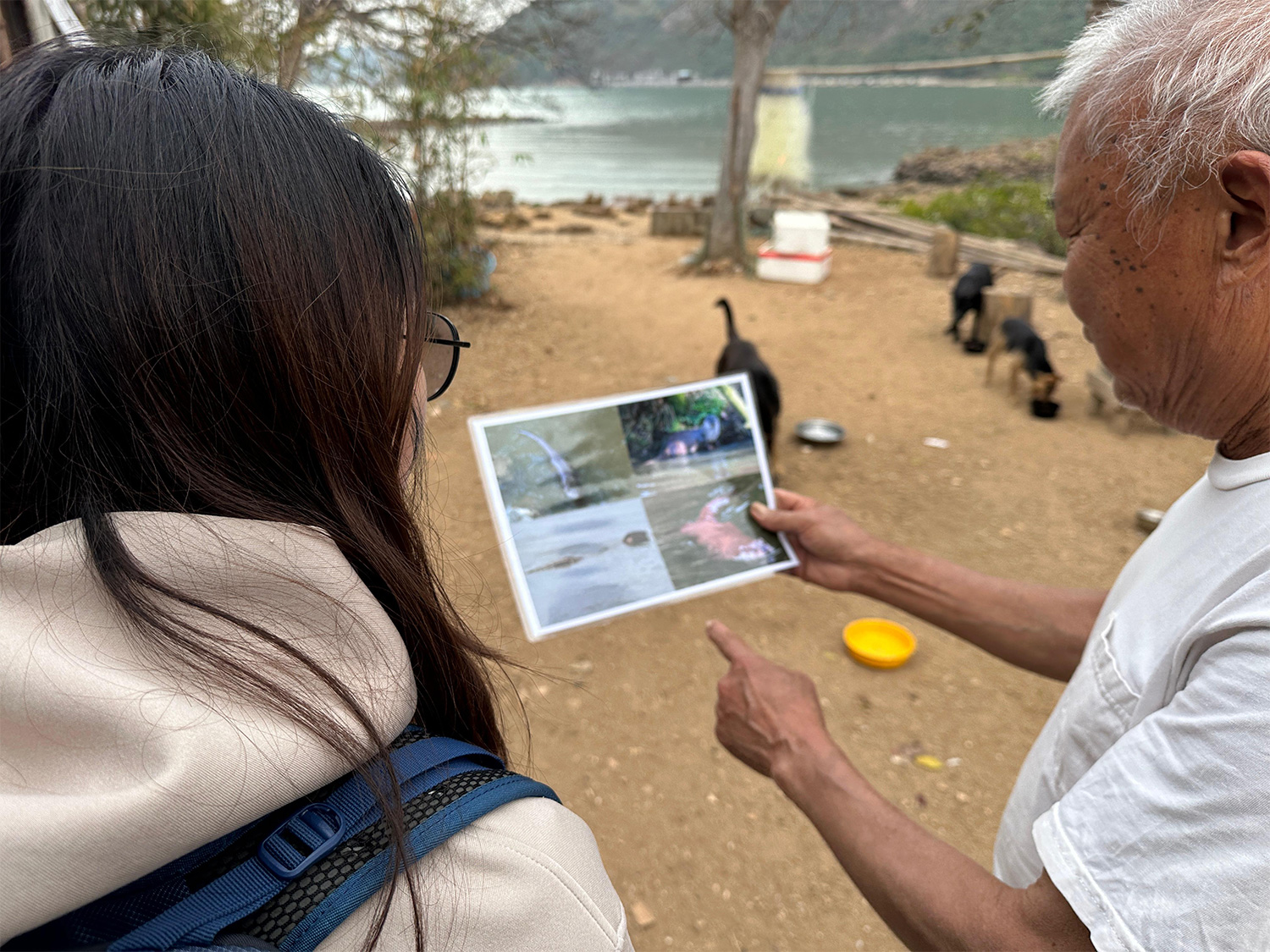
Local Ecological Knowledge surveys gather insights from community members on Lantau regarding their observations and experiences with otters in Lantau. The aim is to understand local perceptions of an otter’s existence, behaviour, habitat preferences and interactions with the ecosystem.
We focus on local villagers, fishers and anglers, who are more likely to encounter otters due to their close proximity to coastal areas. Respondents are asked about distinctive features of otters and shown photographs of otters and other local mammals to verify their sighting reliability. Follow-up questions collect additional detail on past and current status, last-known sighting and potential threats to the Eurasian Otter across Lantau.

These multiple research methods are employed to maximise the chances of detecting the presence of otters in the area and fill the critical knowledge gaps. The findings will provide valuable data to guide future conservation measures, raise public awareness and contribute to broader ecological studies of threatened species and wetland conservation on Lantau.
Public Engagement & Education
The project also includes public awareness-raising activities, such as public talks, documentary production, an otter booklet and social media posts to encourage the public to contact the project proponent if they find any suspected otter signs. This engagement may help to increase the chances of identifying new otter occurrence sites.
If you find otter signs or have seen otter on Lantau, please let us know.

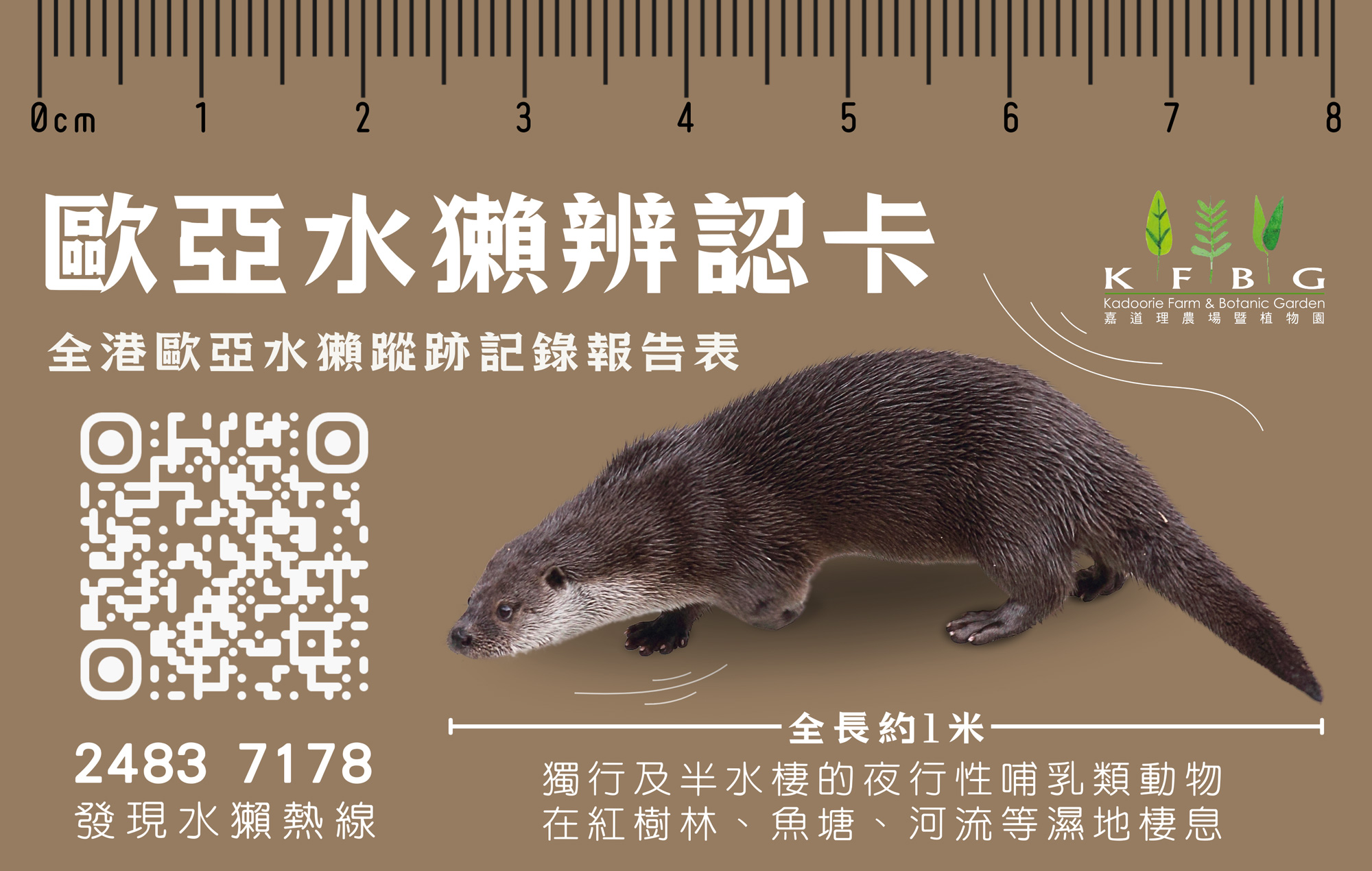
We’ve also prepared a limited number of otter sighting cards at KFBG. Feel free to drop by our Farm Shop during your visit to pick one up for free, and join us in searching for any otters that might still be roaming in Lantau.
Events
Upcoming Events
Stay tuned and follow KFBG’s social media pages to get the most up-to-date information on our Otter Conservation activities!
Past Events
Otter’s Journey Through Time and Space: Decoding the History and Current Status of Hong Kong Otters
Type: Talk
Date: 30 May 2026
Location: Hong Kong Science Museum


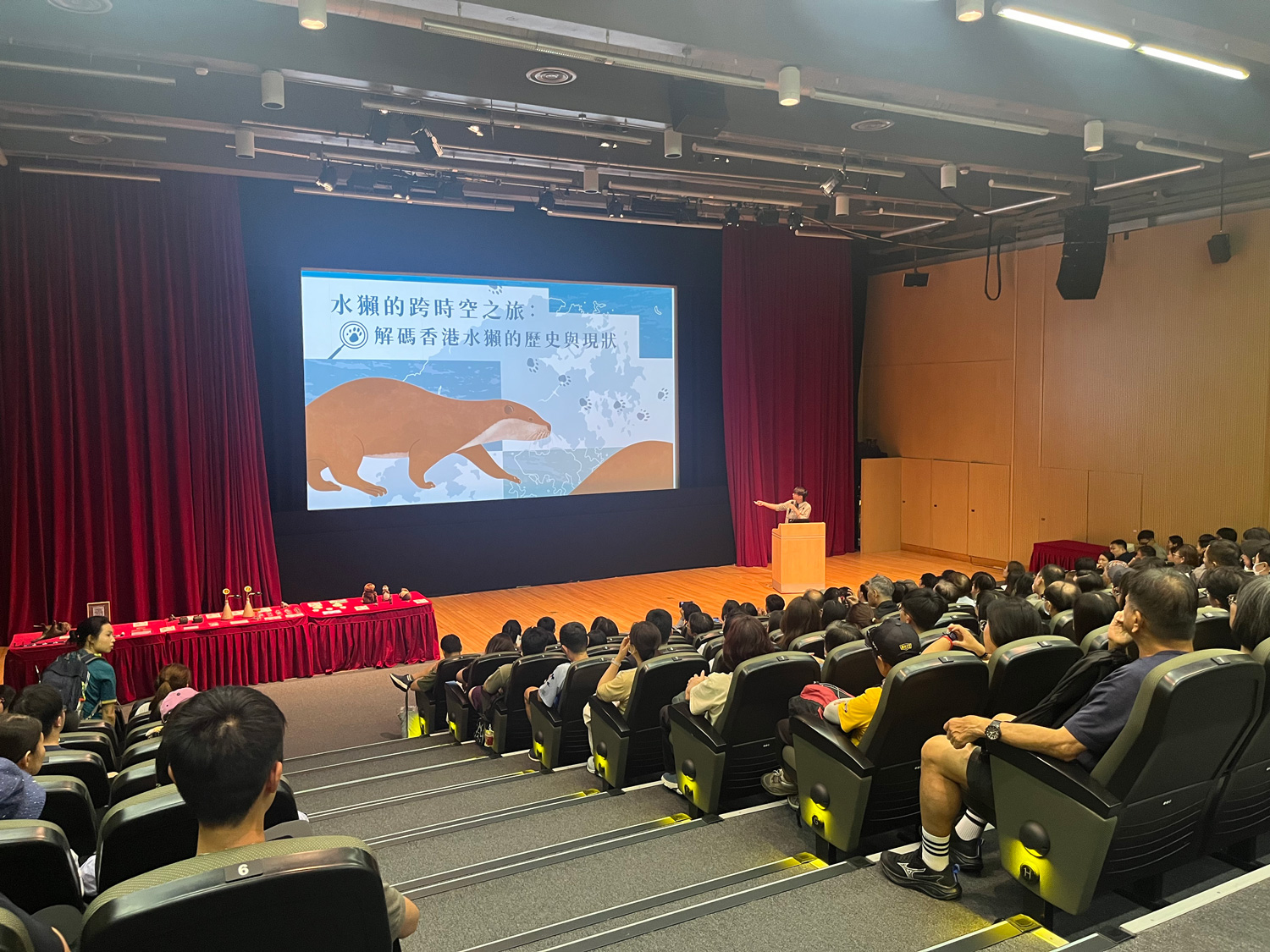

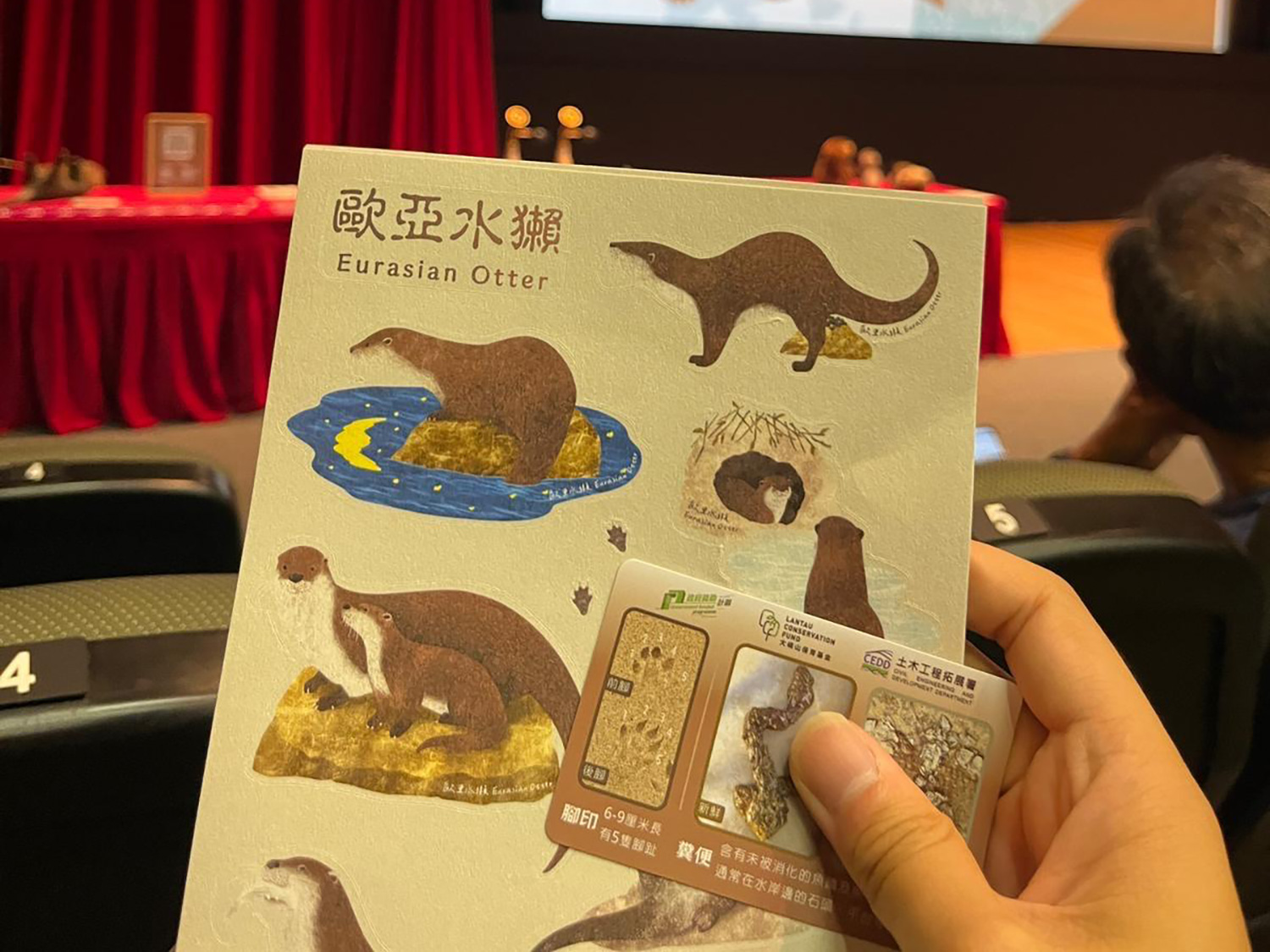
Photos provided by participants.
Organised by
Funded by